Road Safety and Accident Prevention Remain Critical National Priorities
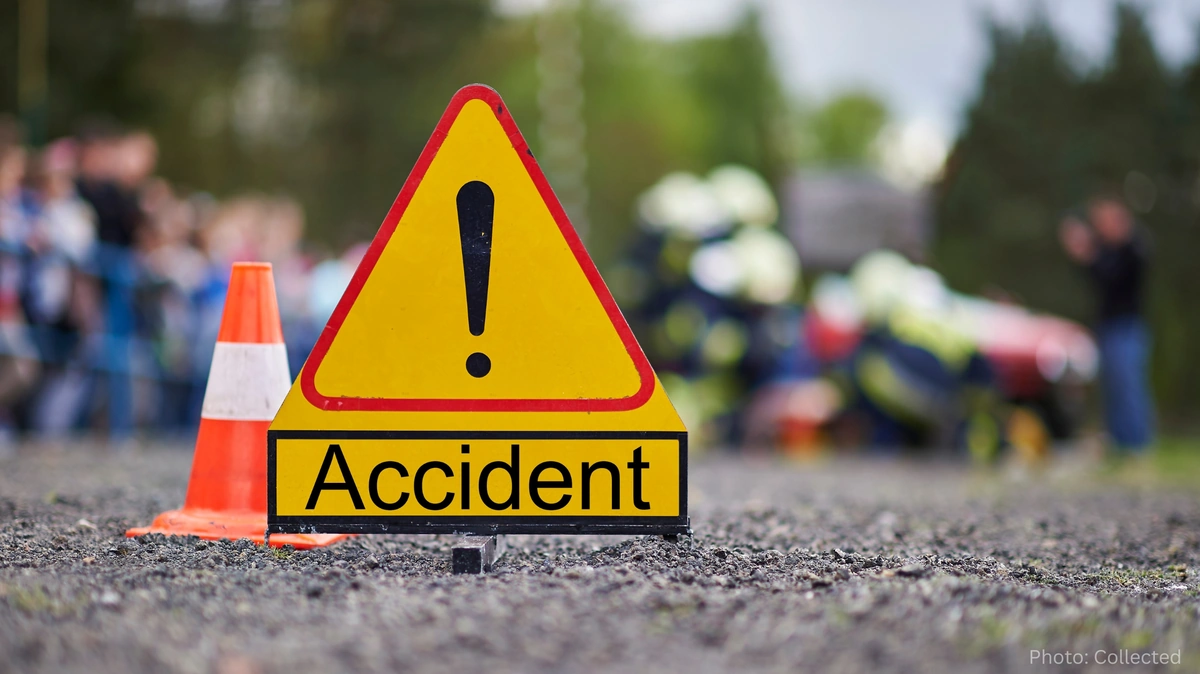
Road safety experts are urging stronger enforcement, improved infrastructure and greater public awareness as traffic accidents continue to claim lives and cause serious injuries, highlighting the need for coordinated action to make roads safer for everyone.
Road safety continues to be a major public concern as traffic accidents remain one of the leading causes of deaths and serious injuries worldwide. Experts say that preventing road crashes requires a combination of responsible driving, effective law enforcement, safer infrastructure and greater public awareness.
Transportation specialists note that most road accidents are preventable. Common contributing factors include excessive speeding, reckless driving, distracted driving, fatigue, driving under the influence of alcohol or drugs, failure to follow traffic signals and poor vehicle maintenance. These risks affect not only drivers but also passengers, pedestrians and cyclists.
Authorities continue to emphasize the importance of obeying traffic laws and adopting responsible driving habits. Wearing seat belts, using helmets for motorcycle riders, maintaining safe following distances and respecting speed limits are among the simplest yet most effective measures for reducing the severity of accidents.
Pedestrian safety remains another important aspect of road safety. Experts encourage pedestrians to use designated crossings, footbridges and sidewalks whenever available, while drivers are reminded to slow down near schools, hospitals, residential areas and crowded intersections where pedestrian activity is high.
Road infrastructure also plays a significant role in preventing accidents. Well-maintained highways, clearly visible traffic signs, proper road markings, adequate lighting and safe pedestrian facilities can significantly reduce collision risks. Engineers recommend regular maintenance and timely repairs to damaged roads to improve overall traffic safety.
Vehicle condition is another key factor. Routine inspections of brakes, tires, lights and steering systems help ensure vehicles remain safe to operate. Mechanical failures caused by neglected maintenance can increase the likelihood of serious accidents, particularly during long-distance travel or adverse weather conditions.
Law enforcement agencies continue to strengthen traffic monitoring through highway patrols, speed enforcement and roadside inspections. Officials say consistent enforcement of traffic regulations helps discourage dangerous driving behaviors and encourages greater compliance with road safety rules.
Public awareness campaigns have become an important part of accident prevention efforts. Schools, community organizations and transport authorities regularly organize educational programs promoting safe driving practices, defensive driving techniques and responsible road use. These initiatives are designed to build long-term awareness among both new and experienced road users.
Emergency response systems also play a vital role in reducing fatalities after accidents occur. Faster ambulance services, trained first responders and well-equipped trauma centers can improve survival rates and reduce the long-term impact of serious injuries.
Technology is increasingly contributing to safer roads through features such as anti-lock braking systems, electronic stability control, collision warning systems, automatic emergency braking and lane departure alerts. While these technologies can help reduce crash risks, experts stress that they cannot replace careful and attentive driving.
Road safety specialists also emphasize the importance of driver education and licensing standards. Comprehensive training programs can equip new drivers with the knowledge and skills needed to respond safely to changing traffic conditions, hazardous weather and unexpected emergencies.
Reducing road accidents requires cooperation from governments, transport authorities, law enforcement agencies, vehicle manufacturers and the public. Continued investment in safer infrastructure, stronger enforcement, public education and emergency medical services is widely regarded as essential for creating a safer transportation system.
As traffic volumes continue to grow, experts say every road user has a shared responsibility to prioritize safety. Responsible driving, respect for traffic laws and increased public awareness can help save lives, reduce injuries and contribute to safer roads for communities across the country.
Related News




You may like




Tom Holland Says Marvel Has a Plan for the Next Spider-Man
August 1, 2026
Elected News
-
Bangladesh Seeks UN Women Support on Digital Harassment and Women’s Empowerment
-
Bangladesh, Australia Discuss Human Trafficking, Irregular Migration and Rohingya Crisis
-
Bangladesh Plans Internet-Free Access to Mobile Banking and Financial Apps
-
DU to Open Undergraduate Admission Applications on 11 November, Tests Begin 5 December


