E-Waste Recycling Emerges as a Critical Solution to Growing Electronic Waste Crisis
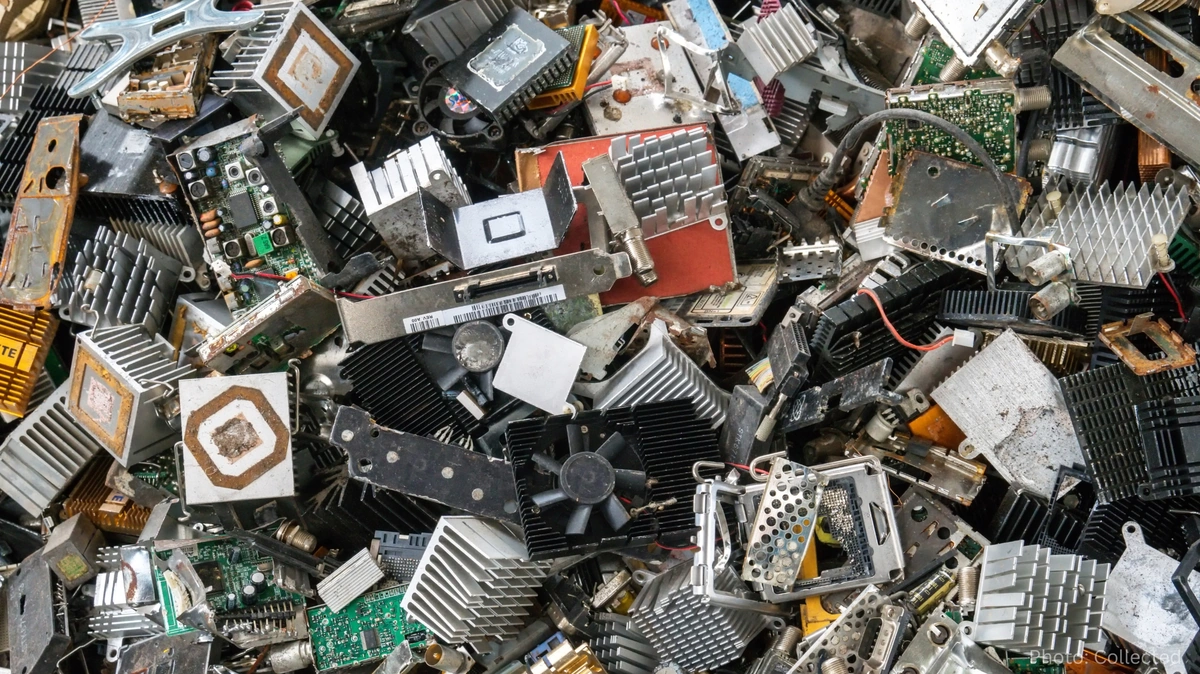
E-waste and electronic recycling are becoming increasingly important as discarded electronics rise globally, creating environmental and health challenges that require urgent and structured recycling systems.
Electronic waste, commonly known as e-waste, has become one of the fastest-growing environmental challenges in the modern digital era. As global consumption of smartphones, computers, household appliances, and other electronic devices continues to increase, the volume of discarded electronics is rising at an unprecedented rate. This trend has placed significant pressure on waste management systems and raised concerns about environmental pollution and resource recovery.
E-waste refers to any discarded electronic or electrical device, including mobile phones, laptops, televisions, batteries, and home appliances. These items often contain valuable materials such as gold, copper, and rare earth elements, alongside hazardous substances like lead, mercury, and cadmium. Improper disposal of such waste can lead to serious environmental contamination and health risks.
Environmental experts warn that when e-waste is dumped in landfills or processed informally, toxic chemicals can leak into soil and water systems, affecting ecosystems and human health. Informal recycling practices, often found in developing regions, may involve burning electronic components to extract metals, releasing harmful emissions into the air and exposing workers to dangerous substances.
To address these challenges, electronic recycling has become a key focus of environmental policy and industrial innovation. Formal recycling systems aim to safely dismantle and process electronic devices, recovering valuable materials while minimizing environmental harm. This not only reduces pollution but also supports a circular economy by reusing resources that would otherwise be lost.
In urban centers and industrial regions, governments and private companies are increasingly establishing designated e-waste collection points and recycling facilities. These systems encourage consumers to return old devices instead of discarding them with general waste. Some programs also offer incentives such as discounts or trade-in benefits to promote responsible disposal.
International organizations, including the United Nations Environment Programme, have highlighted e-waste as a growing global concern and have called for stronger regulatory frameworks. According to environmental assessments, global e-waste generation continues to rise annually, driven by shorter product life cycles and rapid technological advancement.
Despite growing awareness, a significant portion of e-waste still remains improperly managed. Experts estimate that only a fraction of global electronic waste is formally recycled, while the rest is either dumped, exported illegally, or processed under unsafe conditions. This gap highlights the need for stronger enforcement, better infrastructure, and increased public participation.
In addition to environmental concerns, e-waste also represents an economic opportunity. Recovering valuable metals from discarded electronics can reduce the need for environmentally destructive mining activities. Many countries are now investing in advanced recycling technologies that improve material recovery rates and reduce processing costs.
Consumer behavior also plays a critical role in addressing the e-waste challenge. Extending the lifespan of electronic devices through repair, reuse, and responsible upgrading can significantly reduce waste generation. Awareness campaigns are encouraging individuals to think beyond disposal and consider resale, donation, or refurbishment options.
However, experts note that structural challenges remain, particularly in regions where recycling infrastructure is limited. Without proper systems in place, informal sectors continue to handle a large share of e-waste processing, often under unsafe and unregulated conditions.
Policy makers argue that tackling the e-waste problem requires a coordinated global approach, combining regulation, industry responsibility, and consumer awareness. Extended producer responsibility (EPR) policies, which require manufacturers to take accountability for the entire lifecycle of their products, are being adopted in several countries as part of this strategy.
As electronic consumption continues to grow, e-waste management is expected to become an even more urgent environmental priority. Effective recycling systems not only help reduce pollution but also support resource efficiency and sustainable development in an increasingly digital world.
Related News




You may like




Tom Holland Says Marvel Has a Plan for the Next Spider-Man
August 1, 2026
Elected News
-
Bangladesh Seeks UN Women Support on Digital Harassment and Women’s Empowerment
-
Bangladesh, Australia Discuss Human Trafficking, Irregular Migration and Rohingya Crisis
-
Bangladesh Plans Internet-Free Access to Mobile Banking and Financial Apps
-
DU to Open Undergraduate Admission Applications on 11 November, Tests Begin 5 December


