Flood Preparedness in Bangladesh: Strengthening Resilience Against Annual Monsoon Threats
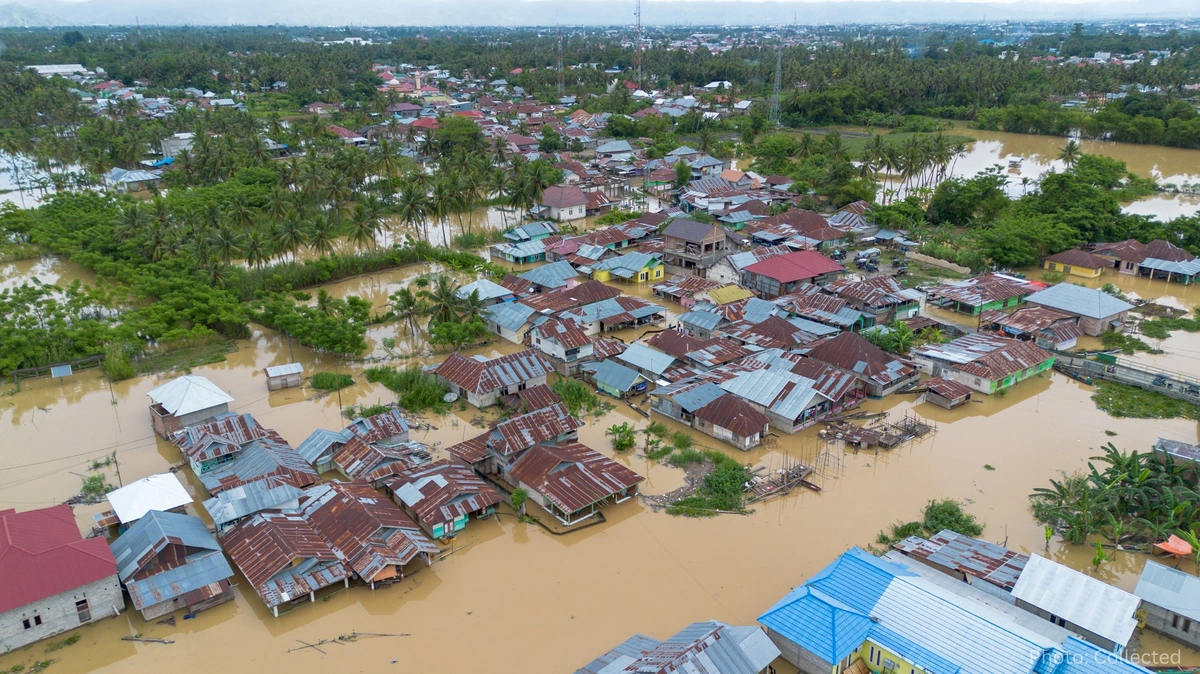
As monsoon rains intensify across South Asia, Bangladesh continues to enhance its flood preparedness measures through early warning systems, disaster management initiatives, and community-based resilience programs aimed at protecting lives and livelihoods.
Bangladesh, one of the world's most flood-prone countries, is once again preparing for the annual monsoon season as authorities, humanitarian organizations, and local communities work to minimize the impact of potential flooding. Situated on the delta of three major river systems the Ganges, Brahmaputra, and Meghna the country faces recurring flood risks that affect millions of people each year.
Flooding is a natural part of Bangladesh's ecosystem and contributes to soil fertility in many agricultural regions. However, severe floods can cause widespread destruction, displace communities, damage infrastructure, disrupt economic activities, and threaten public health.
Government agencies have intensified preparedness efforts ahead of the peak monsoon months. Disaster management authorities have strengthened monitoring systems, coordinated emergency response plans, and increased public awareness campaigns to ensure vulnerable communities receive timely information about potential risks.
One of the most significant improvements in recent years has been the expansion of flood forecasting and early warning systems. Modern technology now allows meteorological and water management agencies to provide advance warnings, enabling residents in high-risk areas to take precautionary measures before floodwaters arrive.
Officials have also focused on improving communication channels to ensure alerts reach remote and rural communities. Mobile phone notifications, community radio broadcasts, local government announcements, and social media platforms are increasingly being used to disseminate critical information during emergencies.
Flood shelters play a crucial role in disaster preparedness. Across the country, thousands of cyclone and flood shelters have been designated to accommodate displaced residents during severe weather events. Local authorities regularly inspect these facilities to ensure they remain functional and capable of supporting affected populations.
Community participation remains at the heart of Bangladesh's disaster management strategy. Volunteers, local leaders, and community-based organizations often assist in evacuation efforts, emergency relief distribution, and awareness campaigns. Their involvement has helped improve response times and strengthen resilience at the grassroots level.
Agriculture, a vital sector of the Bangladeshi economy, is particularly vulnerable to flooding. Farmers are increasingly adopting flood-resistant crop varieties, improved irrigation techniques, and adaptive farming practices to reduce losses caused by extreme weather events.
Climate change has added a new dimension to flood preparedness challenges. Experts warn that rising sea levels, changing rainfall patterns, and more frequent extreme weather events could increase flood intensity and unpredictability in the coming decades. As a result, long-term adaptation strategies are becoming increasingly important.
Infrastructure development has emerged as a key component of resilience efforts. Embankments, drainage systems, elevated roads, and flood-control projects are being expanded and upgraded to reduce the impact of seasonal flooding on communities and economic activities.
Public health preparedness is another major concern during flood seasons. Floodwaters can contaminate drinking water sources and increase the risk of waterborne diseases. Health authorities therefore focus on ensuring access to clean water, sanitation facilities, emergency medical services, and disease prevention measures in vulnerable areas.
Educational institutions also contribute to preparedness efforts by promoting disaster awareness among students. Many schools conduct safety drills and provide information on emergency procedures, helping young people understand how to respond during flood-related emergencies.
International organizations and development partners continue to support Bangladesh's resilience-building initiatives through technical assistance, funding, and capacity-building programs. The country's disaster management model is often cited globally as an example of how proactive planning and community engagement can reduce disaster-related losses.
Despite significant progress, challenges remain. Population density, rapid urbanization, environmental degradation, and resource constraints continue to complicate flood management efforts. Experts emphasize the need for sustained investment in climate adaptation, infrastructure, and public awareness to address future risks effectively.
In conclusion, flood preparedness remains a national priority for Bangladesh as the country confronts the realities of seasonal monsoon flooding and long-term climate challenges. Through improved forecasting, stronger infrastructure, community engagement, and coordinated disaster response mechanisms, Bangladesh continues to build resilience and protect millions of people from one of its most persistent natural hazards.
Related News



You may like




Tom Holland Says Marvel Has a Plan for the Next Spider-Man
August 1, 2026
Elected News
-

Bangladesh Seeks UN Women Support on Digital Harassment and Women’s Empowerment
-

Bangladesh, Australia Discuss Human Trafficking, Irregular Migration and Rohingya Crisis
-

Bangladesh Plans Internet-Free Access to Mobile Banking and Financial Apps
-

DU to Open Undergraduate Admission Applications on 11 November, Tests Begin 5 December


