Dhaka Traffic Overhaul Ordered as Authorities Move to Relocate Major Bus Terminals
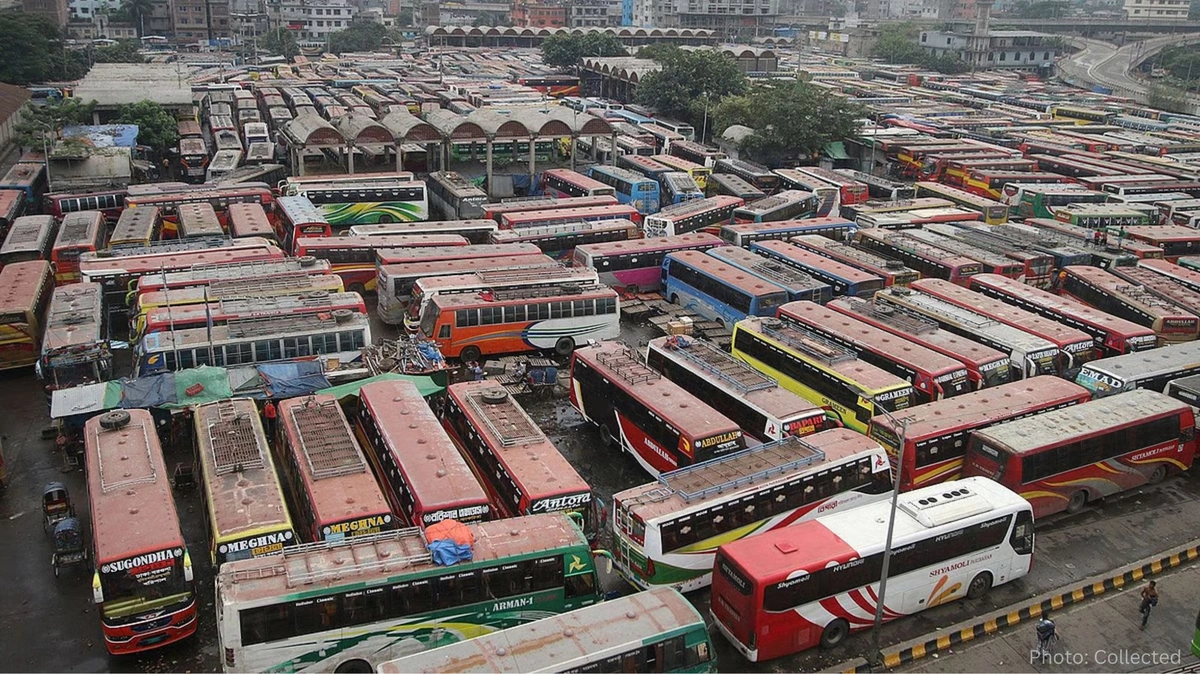
Prime Minister Tarique Rahman has instructed authorities to restore road discipline and reduce chronic traffic congestion in Dhaka by relocating the Sayedabad, Gabtoli, and Mohakhali bus terminals outside the capital as part of a broader transport reform initiative.
The government has announced a major initiative aimed at easing long-standing traffic congestion in the capital, following directives from Prime Minister Tarique Rahman to relocate three of Dhaka’s busiest inter-district bus terminals outside city limits.
The directive was issued during a high-level meeting on traffic management and urban transport modernization held on Monday at the Bangladesh Secretariat. Senior officials from transport authorities, city corporations, and law enforcement agencies attended the session, where they reviewed the current state of traffic conditions and discussed long-term reforms for improving mobility in Dhaka and other major cities.
According to officials familiar with the meeting, the Prime Minister ordered immediate planning to gradually shift the Sayedabad, Gabtoli, and Mohakhali bus terminals to more suitable locations outside the main urban zone. These terminals are among the busiest transport hubs in the capital and handle thousands of inter-district buses daily, contributing significantly to traffic pressure in surrounding areas.
Authorities noted that the three terminals are strategically located at key entry and exit points of Dhaka, making them major transit nodes for passengers traveling between the capital and other parts of the country. However, their presence within densely populated and commercially active zones has long been identified as a major factor behind chronic congestion, road blockages, and irregular traffic flow.
Officials explained that the relocation plan is expected to be implemented in phases to avoid disruption to daily commuter services. The process will involve identifying new terminal sites on the outskirts of the city, developing supporting infrastructure, and ensuring that transport operators can transition smoothly without affecting passenger mobility.
The meeting also focused on broader issues of traffic discipline, including enforcement of road regulations, modernization of traffic control systems, and the use of digital technologies to manage congestion. Participants discussed the need for coordinated action among multiple agencies to address systemic inefficiencies that have contributed to Dhaka’s worsening traffic situation over the years.
Dhaka, one of the most densely populated cities in the world, has long struggled with severe traffic congestion that affects economic productivity, public health, and daily commuting patterns. Experts have repeatedly pointed to unplanned urban growth, inadequate public transport systems, and the concentration of long-distance bus terminals within city limits as key structural problems.
The relocation of major terminals has been discussed in policy circles for years, but implementation has remained limited due to logistical challenges, land acquisition issues, and coordination difficulties among agencies. Monday’s directive signals a renewed push from the government to prioritise transport restructuring as part of broader urban reforms.
Transport officials said the plan would require significant investment in infrastructure, including the construction of modern inter-district transport hubs equipped with parking facilities, passenger amenities, and improved access roads. Authorities are also expected to engage private sector stakeholders, including bus operators and transport associations, to ensure cooperation during the transition period.
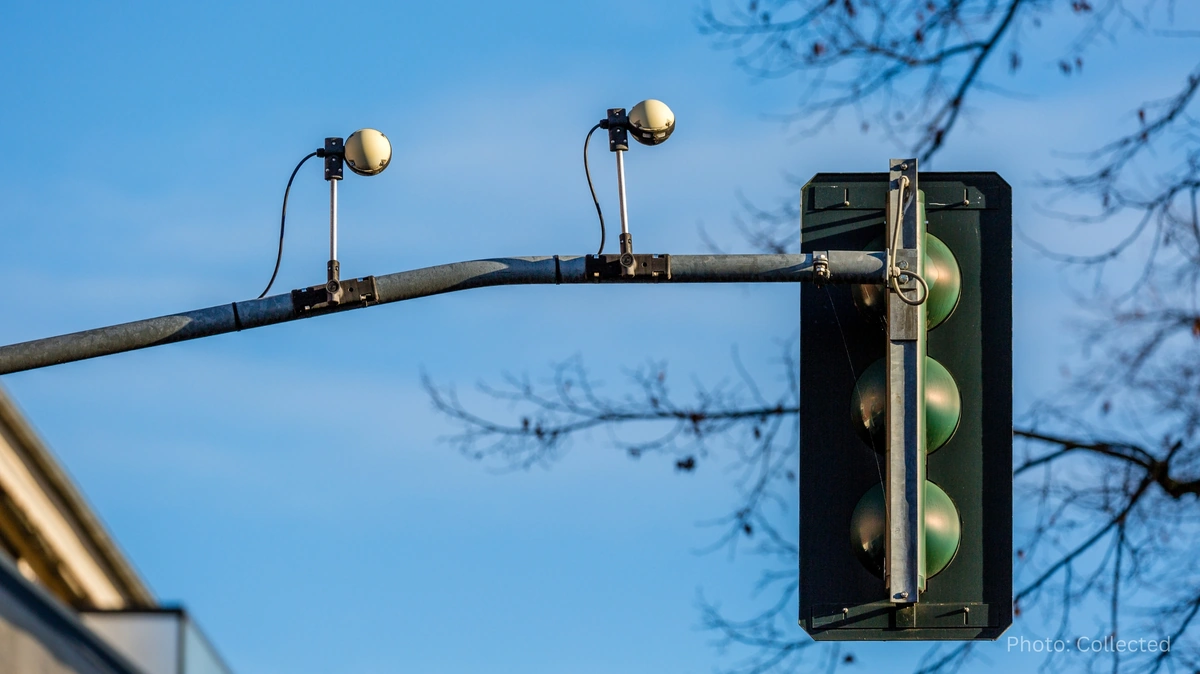
In addition to terminal relocation, the meeting reviewed proposals for improving traffic signal systems, expanding digital monitoring of road networks, and strengthening enforcement against illegal parking and lane violations. Officials emphasised that technological upgrades would play a critical role in reducing congestion and improving traffic flow in the long term.
While the announcement has been welcomed by urban planners and traffic experts, some challenges remain regarding implementation timelines and potential resistance from transport operators who currently rely on central locations for passenger access.
However, government officials expressed confidence that the reforms would ultimately lead to a more organised and efficient transport system in the capital. They stressed that reducing pressure on central Dhaka roads is essential for improving overall urban livability and ensuring sustainable mobility for future population growth.
The government is expected to announce a detailed implementation roadmap in the coming weeks, outlining specific relocation sites, funding arrangements, and phased transition plans for the affected bus terminals.
Related News


You may like




Tom Holland Says Marvel Has a Plan for the Next Spider-Man
August 1, 2026
Elected News
-
Bangladesh Seeks UN Women Support on Digital Harassment and Women’s Empowerment
-
Bangladesh, Australia Discuss Human Trafficking, Irregular Migration and Rohingya Crisis
-

Bangladesh Plans Internet-Free Access to Mobile Banking and Financial Apps
-
DU to Open Undergraduate Admission Applications on 11 November, Tests Begin 5 December


