PM Unveils Plan to Raise Tax-to-GDP Ratio to 10% in Five Years, 15% by 2035
The government has announced an ambitious revenue reform strategy aimed at strengthening tax collection, reducing evasion, and expanding digital systems to significantly improve Bangladesh’s tax-to-GDP ratio over the next decade.
The government has unveiled an ambitious fiscal roadmap to increase Bangladesh’s tax-to-GDP ratio to 10% within five years and 15% by 2035, as part of broader efforts to strengthen public revenue collection and reduce dependence on external borrowing.
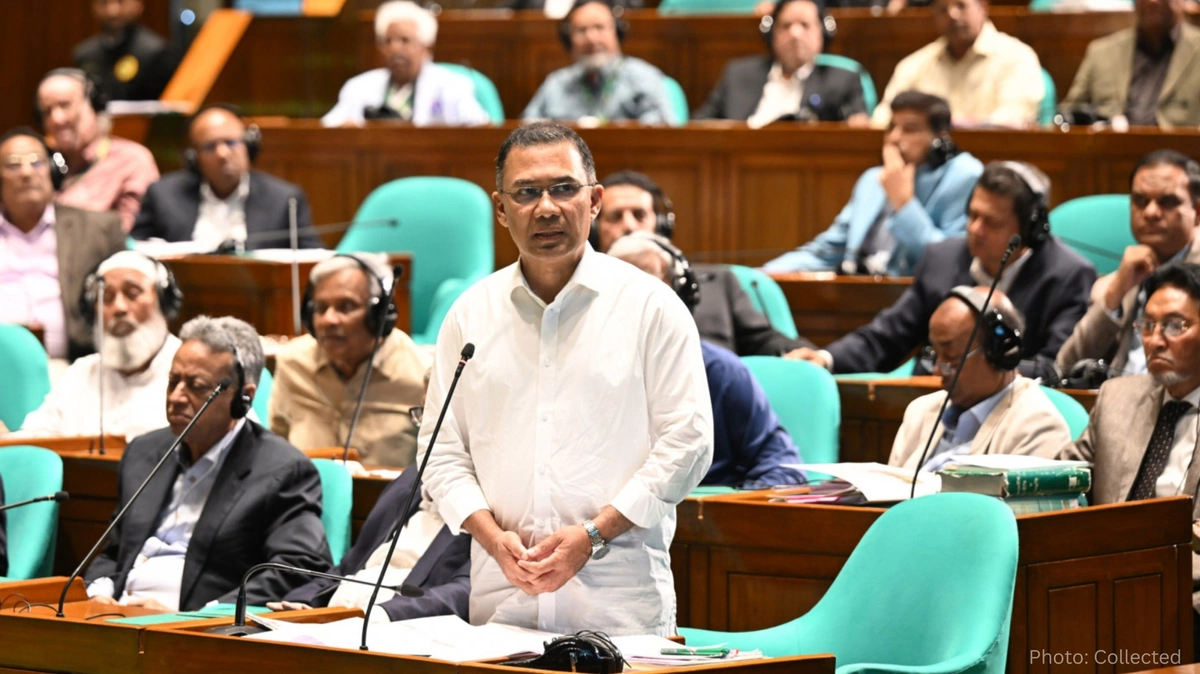
Prime Minister Tarique Rahman outlined the plan in parliament on Tuesday in a written response to a question from Munshiganj-1 lawmaker Md Abdullah. The proposal highlights a series of institutional, legal, and technological reforms aimed at improving tax compliance and modernizing the country’s revenue system.
Currently, Bangladesh’s tax-to-GDP ratio is estimated to be between 7.3% and 8%, which officials acknowledge is significantly lower than several comparable economies. Lawmaker Abdullah referenced Nepal’s higher ratio of 23.1% during his question, underscoring concerns over Bangladesh’s relatively limited domestic revenue base.
In his response, the prime minister stated that the government is implementing a range of reforms under the National Board of Revenue’s Medium and Long-Term Revenue Strategy (MLTRS). These reforms are designed to improve efficiency, transparency, and enforcement across the tax administration system.
A key component of the plan is the full digitalization of the revenue system. The government is expanding online tax deduction management services and introducing AI-based digital platforms to streamline taxpayer services and reduce administrative delays. Officials believe that automation will play a central role in improving compliance and minimizing revenue leakage.
The government is also working to reduce unnecessary tax exemptions and tax holidays, which have historically narrowed the tax base. By rationalizing these incentives, authorities aim to broaden the number of taxpayers contributing to the national revenue system.
Strengthening enforcement is another key pillar of the strategy. The administration plans to enhance risk-based audits and investigations using sector-specific benchmarks and data analytics. Authorities are also focusing on improving taxpayer databases by integrating information from multiple institutions to identify inconsistencies and potential tax evasion risks.
According to the prime minister, legal action against tax evasion will be intensified as part of efforts to ensure compliance. The government is also conducting awareness campaigns to encourage voluntary tax payment and build a stronger culture of tax responsibility among citizens and businesses.
The written statement also highlighted the introduction of the Tax Expenditure Policy and Management Framework 2026, which aims to systematically evaluate and control revenue losses resulting from exemptions and incentives.
In addition, the government is strengthening revenue collection through post-clearance audits, recovery of pending cases, settlement of outstanding bills, and enforcement actions such as auctions and bank guarantee encashments. These measures are intended to improve efficiency in collecting already assessed but unpaid taxes.
Customs and tariff reforms are also part of the broader strategy. The National Tariff Policy 2023 is being implemented in phases, alongside the Customs Strategic Plan 2024–2028, both of which aim to modernize trade facilitation and improve customs revenue performance.
The government has also emphasized the importance of strengthening domestic revenue mobilization projects to support long-term fiscal sustainability. Officials argue that a stronger tax base will allow for increased public investment in infrastructure, education, healthcare, and social protection programs.
Experts note that improving the tax-to-GDP ratio is essential for reducing fiscal pressure and ensuring stable economic growth. However, they also caution that achieving the proposed targets will require sustained political commitment, institutional capacity building, and strong enforcement mechanisms.
Economists further suggest that improving taxpayer trust, simplifying compliance procedures, and expanding the formal economy will be crucial to achieving long-term revenue goals.
In conclusion, the government’s plan to significantly raise the tax-to-GDP ratio reflects a broader push toward fiscal reform and economic modernization. While the targets are ambitious, successful implementation of digital systems, enforcement measures, and policy reforms could play a key role in strengthening Bangladesh’s revenue capacity over the coming decade.
Related News




You may like




Tom Holland Says Marvel Has a Plan for the Next Spider-Man
August 1, 2026
Elected News
-

Bangladesh Seeks UN Women Support on Digital Harassment and Women’s Empowerment
-

Bangladesh, Australia Discuss Human Trafficking, Irregular Migration and Rohingya Crisis
-

Bangladesh Plans Internet-Free Access to Mobile Banking and Financial Apps
-

DU to Open Undergraduate Admission Applications on 11 November, Tests Begin 5 December


