Wetland and Haor Ecosystems Face Growing Threats as Conservation Efforts Expand
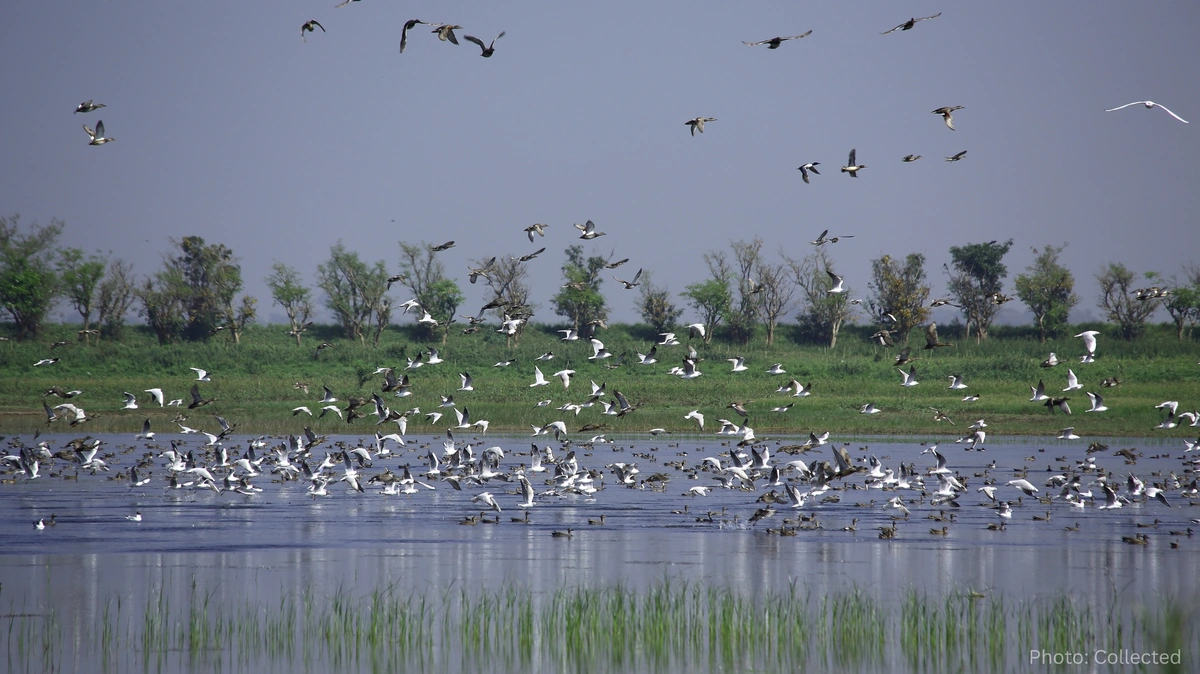
Wetland and haor ecosystems are gaining increased attention from environmental experts and policymakers due to their vital role in biodiversity, climate resilience, and local livelihoods, even as these fragile ecosystems face growing pressure from human activity and climate change.
Wetlands and haor ecosystems are emerging as a key focus of environmental conservation efforts as countries, particularly in South Asia, confront increasing ecological pressure from climate change, land use expansion, and population growth. These unique landscapes, which include seasonal floodplains, marshes, and shallow water bodies, play a critical role in maintaining biodiversity and supporting millions of people who depend on them for agriculture, fishing, and daily livelihoods.
In Bangladesh, haor regions represent one of the most distinctive wetland systems in the world. These bowl-shaped floodplains, primarily located in the northeastern part of the country, remain submerged for several months each year during the monsoon season and transform into fertile agricultural land during the dry months. This natural cycle supports both ecological diversity and food production, making haor ecosystems essential to rural economies.
One of the most significant wetland areas in the country is Tanguar Haor, which has been internationally recognized for its ecological importance. It is home to hundreds of species of fish, migratory birds, and aquatic plants, many of which are dependent on the seasonal flood dynamics that define the region. However, increasing human activity has placed pressure on its fragile balance.
Environmental experts warn that wetland ecosystems are increasingly threatened by a combination of factors, including unregulated fishing, agricultural expansion, sedimentation changes, and infrastructure development. In many areas, natural water flow patterns have been disrupted, affecting fish breeding cycles and reducing biodiversity. Climate change has further intensified these challenges by altering rainfall patterns and increasing the frequency of extreme weather events.
Wetlands also play a crucial role in climate regulation. They act as natural water storage systems, absorbing excess rainfall during monsoon seasons and reducing the risk of floods in surrounding regions. During dry periods, they help maintain groundwater levels and support agricultural irrigation. In addition, wetlands function as carbon sinks, capturing and storing carbon dioxide, which contributes to mitigating global warming.
The protection of these ecosystems is supported by international frameworks such as the Ramsar Convention, which promotes the conservation and sustainable use of wetlands worldwide. Countries that are part of the convention are encouraged to identify and safeguard ecologically important wetland sites and ensure their sustainable management.
Despite such global efforts, enforcement at the local level often remains inconsistent. Conservationists highlight that weak regulation, lack of awareness, and competing economic interests continue to undermine protection efforts. In many cases, wetlands are gradually being converted into agricultural land or used for infrastructure projects without sufficient environmental assessment.
Local communities living in haor regions are among those most directly affected by these changes. While they depend heavily on wetlands for fishing and farming, they also face increasing vulnerability due to ecological degradation. Reduced fish populations and unpredictable flooding patterns have made traditional livelihoods more uncertain, forcing some residents to seek alternative income sources.
Government agencies and environmental organizations have launched various initiatives aimed at protecting wetland ecosystems. These include reforestation of surrounding areas, restrictions on destructive fishing practices, and efforts to restore natural water flow systems. Some programs also focus on community-based conservation, encouraging local residents to participate in protecting and managing wetland resources.
However, experts emphasize that long-term success will require stronger policy enforcement, improved coordination between agencies, and greater investment in sustainable development strategies. Education and awareness campaigns are also seen as essential in helping communities understand the long-term value of wetland conservation.
International environmental observers note that wetland preservation is not only a local or national issue but a global environmental priority. Wetlands contribute significantly to biodiversity conservation, climate stability, and water security, making their protection essential in the broader fight against environmental degradation.
As pressures on natural ecosystems continue to increase, wetlands and haor regions stand at a critical crossroads. Their future will depend on the balance between development needs and environmental protection, as well as the effectiveness of conservation efforts in safeguarding these vital ecosystems for future generations.
Related News





You may like




Tom Holland Says Marvel Has a Plan for the Next Spider-Man
August 1, 2026
Elected News
-
Bangladesh Seeks UN Women Support on Digital Harassment and Women’s Empowerment
-
Bangladesh, Australia Discuss Human Trafficking, Irregular Migration and Rohingya Crisis
-
Bangladesh Plans Internet-Free Access to Mobile Banking and Financial Apps
-
DU to Open Undergraduate Admission Applications on 11 November, Tests Begin 5 December


