Bangladesh Seeks Deeper Industrial Partnership with China, Invites Firms to Expand Value Chains
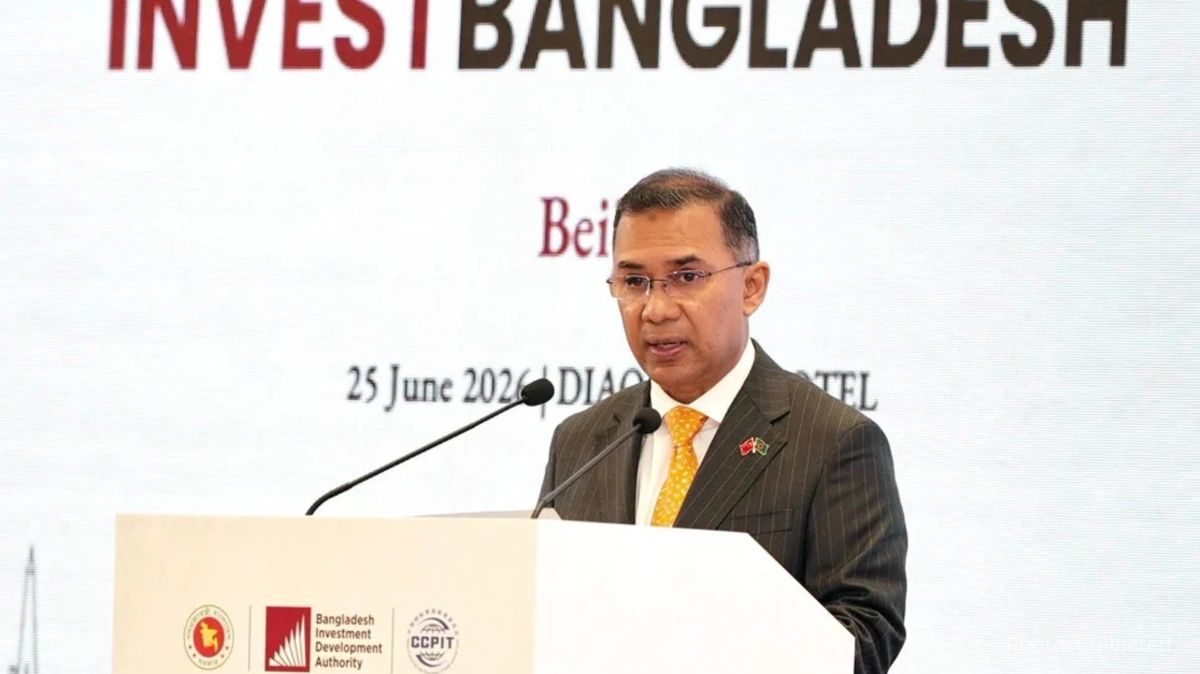
Prime Minister Tarique Rahman has called on Chinese businesses to expand their value chains into Bangladesh, highlighting new investment reforms, economic zones, and plans to establish Bangladesh’s first investment office in China.
Bangladesh has renewed its push to attract foreign investment by inviting Chinese companies to deepen their industrial presence in the country, as Prime Minister Tarique Rahman outlined a series of reforms aimed at creating a more business-friendly environment.
Speaking as the chief guest at the Bangladesh Investment Forum in Beijing on Thursday, the Prime Minister said Bangladesh is ready to become a major destination for global investment and is eager to build stronger industrial partnerships with China.
Addressing an audience of Chinese business leaders, investors, and industry representatives, Rahman emphasized that Bangladesh is entering a new phase of economic transformation focused on industrial growth, export diversification, and international investment. He encouraged Chinese companies to expand their manufacturing and supply chain operations in Bangladesh and take advantage of the country's strategic location, competitive workforce, and expanding market opportunities.
The investment forum, organized by the Bangladesh Investment Development Authority (BIDA), brought together around 125 Chinese business representatives. During the event, BIDA Executive Chairman Ashik Chowdhury presented Bangladesh’s investment potential, policy incentives, and emerging opportunities across key sectors.
The Prime Minister announced that Bangladesh will soon establish its first investment office in China, a move aimed at providing direct support to Chinese investors and facilitating bilateral trade and investment activities. The proposed office is expected to serve as a dedicated platform for assisting businesses seeking opportunities in Bangladesh and strengthening economic engagement between the two countries.
Rahman said his government is implementing an ambitious 180-day reform agenda designed to improve the investment climate and eliminate bureaucratic barriers that have historically slowed business activities. The initiative includes simplifying administrative procedures, expanding digital government services, ensuring policy consistency, and improving coordination among public institutions.
As part of the reforms, he announced that new business licenses will be approved within 15 days, significantly reducing processing times and making it easier for investors to launch operations in the country.
According to the Prime Minister, Bangladesh is committed to creating a predictable and transparent business environment capable of attracting long-term international investment. He noted that the government is working to modernize regulations and streamline procedures to enhance investor confidence and accelerate economic growth.
Rahman also highlighted the development of major industrial infrastructure projects designed to support foreign investors. Among them is the Chinese Economic and Industrial Zone being developed in Anwara, Chattogram, which is expected to become a key manufacturing and export hub for Chinese enterprises operating in South Asia.
In addition, a second economic zone is being developed in Mongla, offering further opportunities for industrial expansion, logistics, and export-oriented production. Officials believe these zones will play an important role in strengthening economic cooperation between Bangladesh and China while creating employment and boosting industrial output.
The Prime Minister described Bangladesh as a country that is “open for business and prepared for the future,” emphasizing its growing connectivity, improving infrastructure, and expanding industrial capacity. He said the country’s development strategy aligns closely with the needs of international investors seeking reliable and competitive production destinations.
Economic analysts view China as one of Bangladesh’s most important investment and development partners. Over the past decade, Chinese companies have expanded their involvement in infrastructure, energy, manufacturing, telecommunications, and industrial development projects across Bangladesh.
The Beijing investment forum was held alongside the Prime Minister’s broader official visit to China, which includes high-level meetings with Chinese government officials, business leaders, and policymakers. The visit is expected to result in several agreements aimed at strengthening economic, trade, and development cooperation between the two countries.
Officials hope the latest initiatives will encourage greater Chinese investment in high-value sectors, strengthen supply chain integration, and support Bangladesh’s long-term goal of becoming a leading manufacturing and investment destination in Asia.
With new reforms, dedicated investor support mechanisms, and expanding industrial infrastructure, Bangladesh is positioning itself to attract larger volumes of foreign direct investment and deepen its economic partnership with China in the years ahead.
Related News


You may like




Tom Holland Says Marvel Has a Plan for the Next Spider-Man
August 1, 2026
Elected News
-
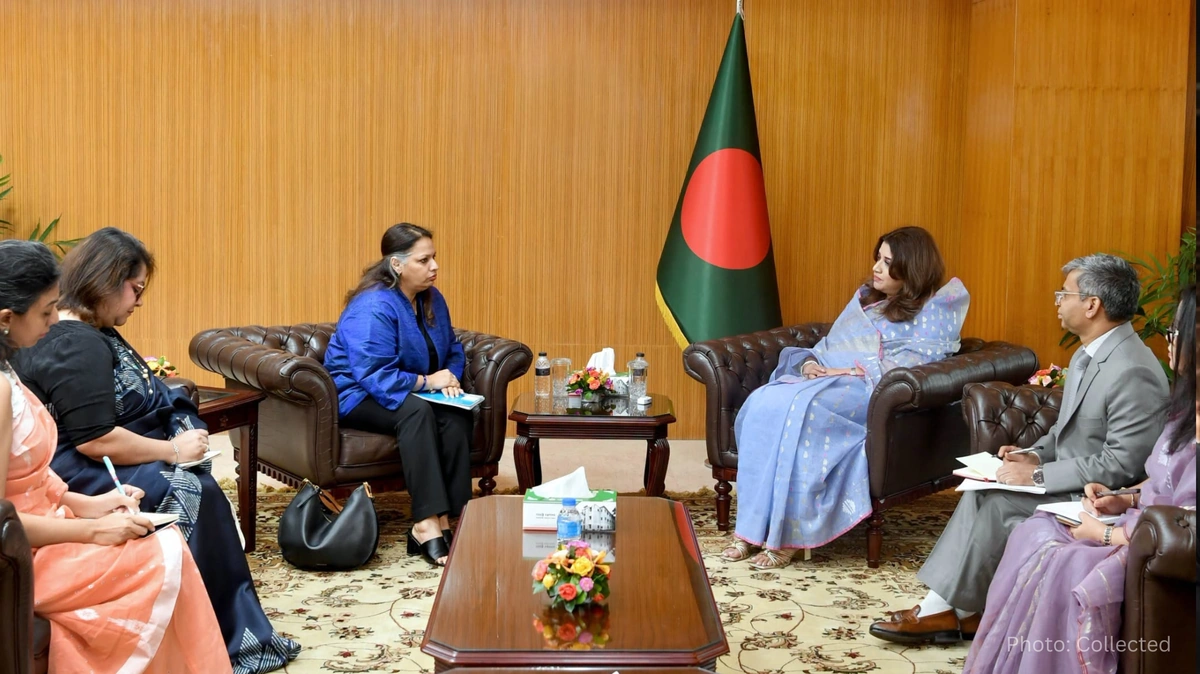
Bangladesh Seeks UN Women Support on Digital Harassment and Women’s Empowerment
-
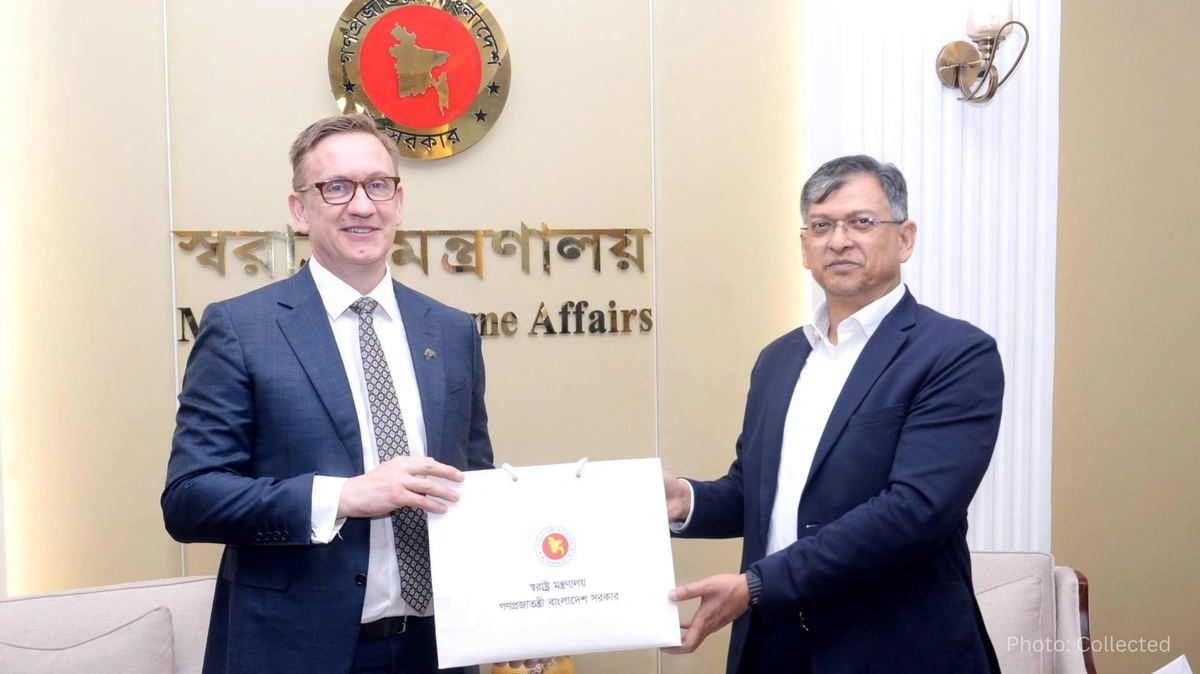
Bangladesh, Australia Discuss Human Trafficking, Irregular Migration and Rohingya Crisis
-
Bangladesh Plans Internet-Free Access to Mobile Banking and Financial Apps
-
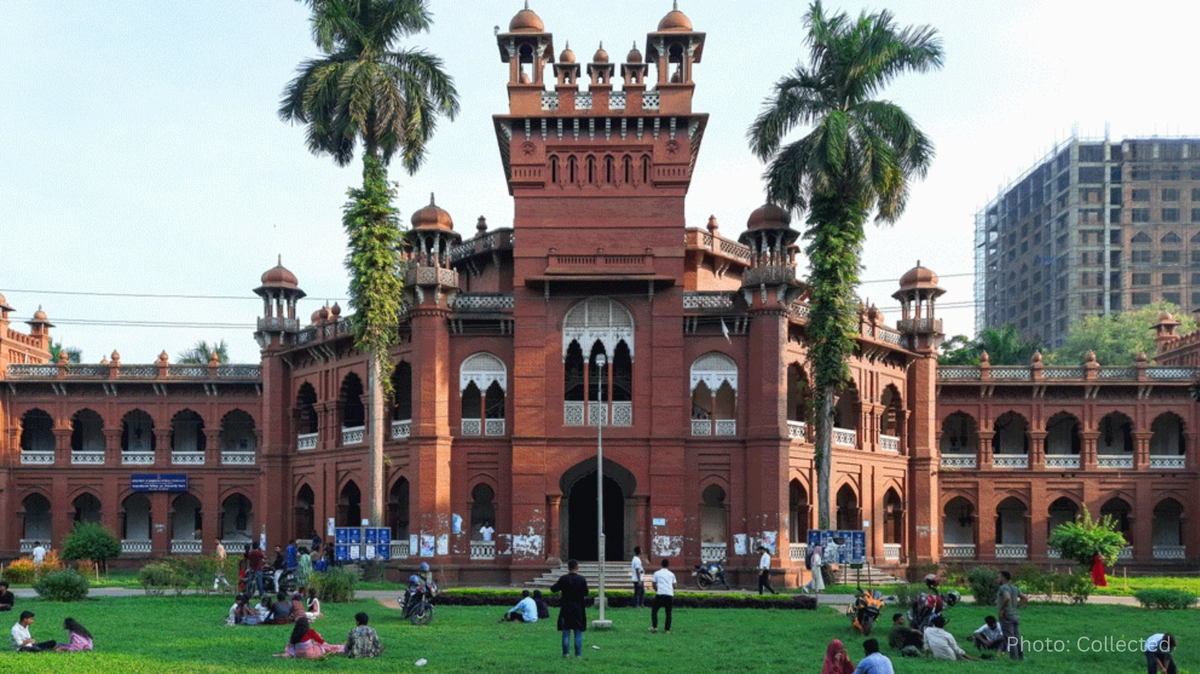
DU to Open Undergraduate Admission Applications on 11 November, Tests Begin 5 December


