Bangladeshi Deposits in Swiss Banks Jump 41% in 2025, Reaching Near Record High
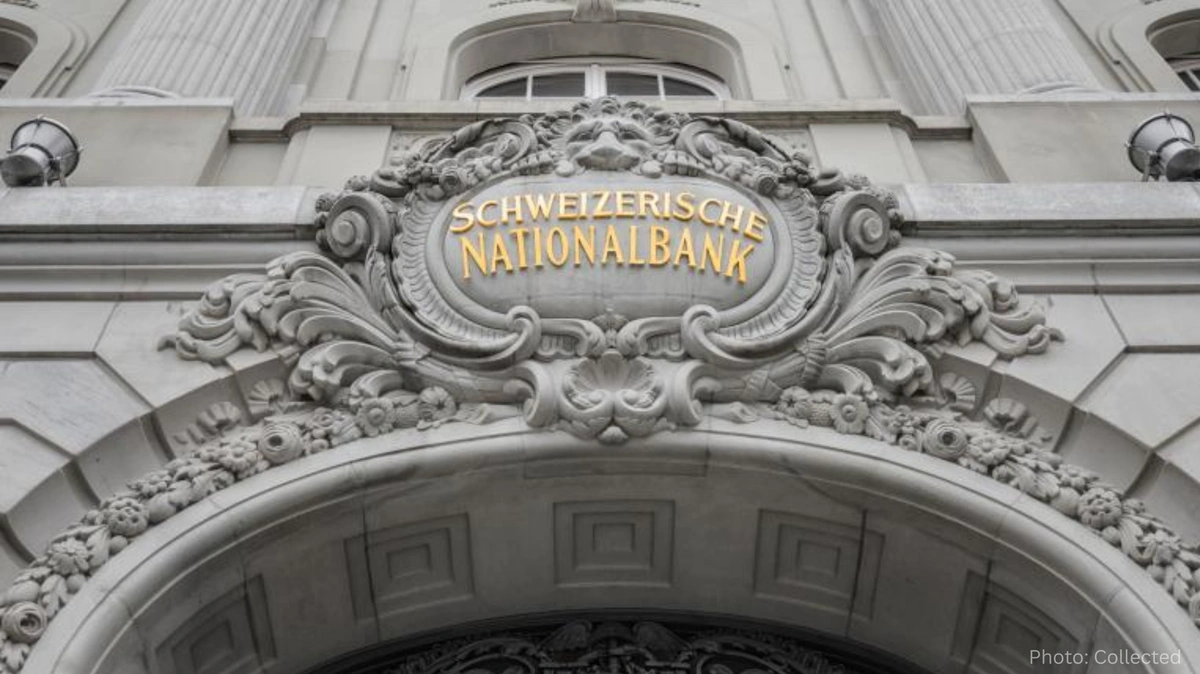
Swiss National Bank data shows Bangladesh’s total deposits in Swiss banks rose sharply to CHF 834.2 million, with the increase largely driven by banking sector placements.
Deposits held by Bangladeshi nationals and banks in Swiss financial institutions surged by 41% in 2025, reaching CHF 834.2 million (approximately Tk12,763 crore), according to annual data released by the Swiss National Bank (SNB) on 18 June.
The figure marks the second-highest level on record for Bangladesh, falling just short of the all-time peak of CHF 871.1 million recorded in 2021. The latest increase highlights a continued upward trend in Swiss-linked financial flows involving Bangladeshi clients, though officials and bankers say the composition of these funds is crucial to understanding the data.
A significant portion of the rise was driven by a 43% increase in deposits from Bangladeshi banks, which climbed to CHF 822.7 million in 2025 from CHF 576.6 million the previous year. This segment now accounts for 98.6% of total Bangladeshi holdings in Swiss banks, reflecting a sharp shift compared to earlier years when individual account holdings had a larger share.
Banking sector officials have explained that these placements are primarily part of routine international treasury operations rather than private wealth transfers. According to Syed Mahbubur Rahman, managing director of Mutual Trust Bank, such deposits are typically made by banks to optimize returns and manage liquidity across global financial markets. He noted that funds are frequently shifted between jurisdictions based on interest rates, investment opportunities, and market conditions.
He added that a higher balance in Switzerland in any given year does not necessarily indicate unusual financial activity, as banks routinely diversify their overseas placements as part of standard financial management practices.
In contrast to the surge in institutional deposits, individual customer accounts showed a decline. Personal holdings dropped nearly 10% to CHF 11.4 million in 2025, compared to CHF 12.6 million in the previous year, indicating that private wealth parked in Swiss banks from Bangladesh remains relatively limited in comparison to banking-sector flows.
Despite the increase, the official figures represent only reported bank disclosures to the Swiss authorities and do not reflect unaccounted or informal assets that are often discussed in broader debates on offshore wealth. Analysts emphasize that the SNB data is limited to declared accounts and does not provide a complete picture of potential undeclared funds.
The report also highlights Switzerland’s continued shift toward financial transparency under global standards such as the Automatic Exchange of Information (AEOI), which began in 2018. Through this system, participating countries exchange financial account data to help tax authorities detect undeclared foreign assets. Information shared includes account balances, income, and account holder identification details.
In 2025, Switzerland exchanged financial data with 101 countries covering around 3.4 million accounts. However, Bangladesh has not yet formally committed to the AEOI framework, unlike neighboring countries such as India and Pakistan, which are already part of the system.
Within South Asia, India remains the largest holder of Swiss bank deposits at CHF 3.2 billion, although its total declined by 8% in 2025. Bangladesh, meanwhile, ranked second in the region, with its 41% growth making it one of the few countries in South Asia to record an increase.
Other countries in the region showed mixed trends, with Afghanistan registering the fastest percentage growth at 48.2%, albeit from a very small base of CHF 4.7 million. Overall, four South Asian countries saw declines in Swiss holdings, while Bangladesh, Sri Lanka, Afghanistan, and the Maldives recorded increases.
The latest figures underscore both the growing complexity of international banking flows and the importance of distinguishing between institutional financial operations and private wealth movements when interpreting offshore deposit data.
Related News

You may like




Tom Holland Says Marvel Has a Plan for the Next Spider-Man
August 1, 2026
Elected News
-
Bangladesh Seeks UN Women Support on Digital Harassment and Women’s Empowerment
-
Bangladesh, Australia Discuss Human Trafficking, Irregular Migration and Rohingya Crisis
-
Bangladesh Plans Internet-Free Access to Mobile Banking and Financial Apps
-
DU to Open Undergraduate Admission Applications on 11 November, Tests Begin 5 December


