Construction Begins on Bangladesh-China Industrial Zone in Chattogram, Targeting 100,000 Jobs
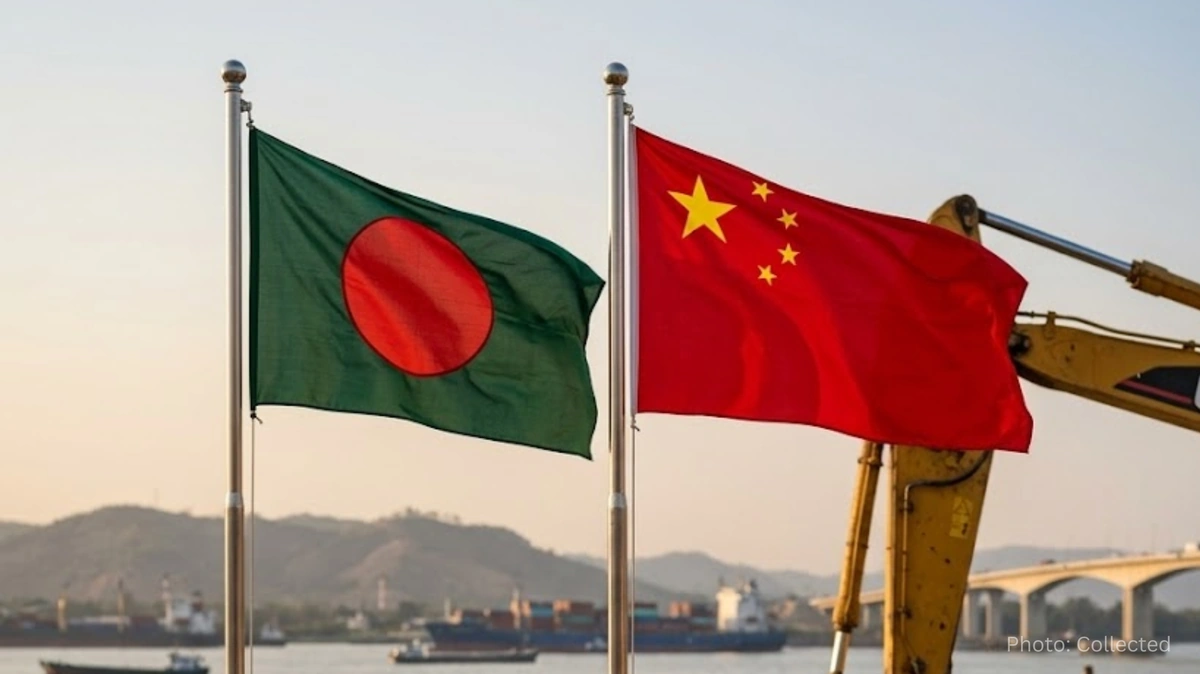
Bangladesh officially launches construction of the Chinese Economic and Industrial Zone in Chattogram’s Anwara, aiming to attract around $500 million in investment, generate over 100,000 jobs, and strengthen export-oriented manufacturing through deeper economic cooperation with China.
Construction of the long-awaited Chinese Economic and Industrial Zone (CEIZ) officially begins on Monday in Chattogram’s Anwara, marking a significant step forward in Bangladesh’s efforts to expand industrial capacity, attract foreign investment, and strengthen economic ties with China.
The flagship government-to-government initiative is expected to draw approximately $500 million in foreign direct investment (FDI) while creating more than 100,000 direct and indirect employment opportunities over the coming years. The project represents one of Bangladesh’s most ambitious industrial development initiatives and comes after years of planning and delays.
The foundation stone for the economic zone will be laid during a formal ceremony attended by Finance Minister Amir Khasru Mahmud Chowdhury, Home Affairs Adviser Salahuddin Ahmed, Chinese Ambassador Yao Wen, and Bangladesh Economic Zones Authority (BEZA) Executive Chairman Ashik Chowdhury.
Spanning nearly 800 acres in Anwara, the industrial zone has been designed to serve as a dedicated manufacturing and investment hub for Chinese enterprises seeking to establish operations in Bangladesh. Authorities expect the project to play a major role in expanding export-oriented industries, promoting technology transfer, and increasing industrial productivity.
According to officials, the development is scheduled for completion by 31 December 2031. Once operational, the zone is expected to accommodate a wide range of industries, including advanced textiles, pharmaceuticals, information technology, light engineering, electronics, and other value-added manufacturing sectors.
Government officials believe the project will significantly enhance Bangladesh’s competitiveness as a regional manufacturing destination while creating new opportunities for local businesses and suppliers. The economic zone is also expected to contribute to increased exports, industrial diversification, and long-term economic growth.
Industry representatives have welcomed the start of construction, describing the project as an important milestone for Bangladesh’s investment landscape. Business leaders say the establishment of a dedicated Chinese industrial zone could encourage additional foreign investors to explore opportunities in the country while strengthening bilateral commercial relations.
Leaders from the ready-made garment sector believe the zone could help reduce production costs by encouraging Chinese manufacturers to establish facilities producing fabrics, accessories, machinery, and other industrial inputs within Bangladesh. Increased local production of raw materials would shorten supply chains, improve delivery times, and enhance the global competitiveness of Bangladeshi exporters.
Officials involved with the project said more than 30 Chinese companies have already expressed interest in investing in the zone, with combined investment commitments estimated at around $500 million. These investments are expected to generate employment across manufacturing, logistics, construction, transportation, and supporting service industries.
The project gained renewed momentum following Prime Minister Tarique Rahman's official visit to China in June, where multiple agreements aimed at strengthening bilateral investment cooperation were signed. Following those discussions, BEZA entered into a developer agreement with China Road and Bridge Corporation (CRBC), which will oversee the development of the industrial zone.
Strategically positioned near the Karnaphuli Tunnel, Chattogram Port, and Shah Amanat International Airport, the economic zone is expected to benefit from strong transport connectivity, allowing manufacturers easier access to domestic and international markets. The location is viewed as a major advantage for export-focused industries requiring efficient logistics and shipping facilities.
Authorities believe the CEIZ will become one of Bangladesh's key industrial and logistics hubs over the next decade, supporting the country's broader goals of attracting higher levels of foreign investment, creating skilled employment, modernising manufacturing, and expanding export capacity.
With construction now officially underway, policymakers expect the Bangladesh-China industrial partnership to enter a new phase, positioning the Chattogram economic zone as a cornerstone of future industrial development and bilateral economic cooperation.
Related News


You may like




Tom Holland Says Marvel Has a Plan for the Next Spider-Man
August 1, 2026
Elected News
-
Bangladesh Seeks UN Women Support on Digital Harassment and Women’s Empowerment
-
Bangladesh, Australia Discuss Human Trafficking, Irregular Migration and Rohingya Crisis
-
Bangladesh Plans Internet-Free Access to Mobile Banking and Financial Apps
-
DU to Open Undergraduate Admission Applications on 11 November, Tests Begin 5 December


