Garment Sector Turmoil: Historic Labor Reforms Clash with Sudden Mass Layoffs in Bangladesh
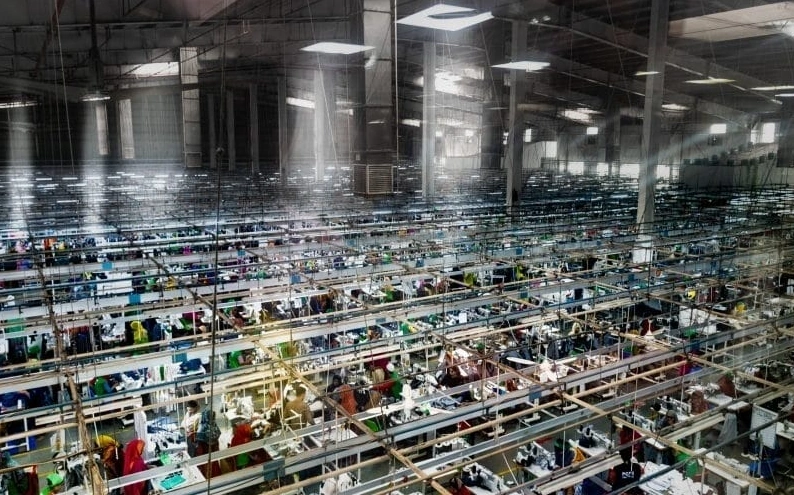
Bangladesh’s ready-made garment sector is locked in a bitter stalemate this week, as newly enacted labor protections collide with a wave of sudden factory closures and unpaid wage protests across the capital.
While international watchdogs celebrate the Bangladesh Labour (Amendment) Act 2026 as a landmark victory for worker rights, the reality on the ground remains highly volatile. Thousands of workers have taken to the streets over the past 48 hours, blocking major transit arteries in response to unannounced layoffs and withheld pay.
The juxtaposition highlights a glaring disconnect in one of the world's largest apparel exporters: progressive policy breakthroughs on paper are offering little immediate protection to a workforce still vulnerable to arbitrary dismissal.
The Legislative Overhaul
The new legislation marks a turning point, effectively pulling Bangladesh off global watchlists for the worst labor-rights offenders for the first time in nearly a decade.
The core of the reform dismantles historic barriers to unionization. Previously, workers needed backing from 20% of a factory's total workforce to form a union an insurmountable hurdle in mega-factories. Under the new mandate, union thresholds have been drastically lowered: small enterprises require as few as 20 signatures, while the largest facilities cap the requirement at 400 workers.
Further mandates include:
-
Anti-Retaliation Measures: A strict ban on blacklisting union organizers or forming management-controlled "yellow unions."
-
Harassment Protocols: Alignment with International Labour Organization (ILO) conventions on workplace sexual harassment, mandating independent complaint committees.
-
Expanded Welfare: The introduction of a centralized Workplace Accident Compensation Fund and an extension of paid maternity leave to 120 days.
Industry Blowback
The progressive overhaul has triggered immediate industry pushback. Manufacturing associations are aggressively lobbying the government to freeze several provisions, warning that the mandates threaten the sector's global competitiveness.
Factory owners argue that treating administrative staff under the same legal definition as floor workers invites administrative chaos. More pressingly, they claim the mandated compensation structures and stringent anti-discrimination protocols will drive up overhead during a period of sluggish international orders.
Industry representatives have stated on the record that the rapid implementation of these laws renders them practically unfeasible, warning of a severe chilling effect on foreign investment.
Crisis on the Streets
While policymakers and owners debate the fine print, the immediate economic reality for factory workers has sparked widespread unrest.
In the industrial hub of Savar, over 1,800 workers were terminated without warning this week. Returning from a holiday break, employees found termination notices pasted to factory gates a move management blamed on a sharp decline in export orders. The mass dismissal prompted workers to blockade major highways, alleging they were denied legally mandated severance pay and prior notice.
Simultaneously in Dhaka, workers from a major apparel conglomerate paralyzed traffic along the Mohakhali-Gulshan corridor. Protesters demanded months of unpaid back wages and promised festival bonuses, citing an inability to cover basic rent and food costs.
The Enforcement Test
The ongoing unrest underscores the central paradox of the global supply chain. Enhanced collective bargaining rights offer no immediate lifeline to workers losing their livelihoods overnight.
Labor advocates argue that the true test of the 2026 Act lies entirely in its enforcement. Whether the state has the capacity and the political will to penalize illegal terminations and ensure fair compensation remains an open question. Until the ink on the new laws translates to actionable protections on the factory floor, the streets remain the only effective bargaining table for Bangladesh's garment workers.
Related News

You may like




Tom Holland Says Marvel Has a Plan for the Next Spider-Man
August 1, 2026
Elected News
-
Bangladesh Seeks UN Women Support on Digital Harassment and Women’s Empowerment
-
Bangladesh, Australia Discuss Human Trafficking, Irregular Migration and Rohingya Crisis
-
Bangladesh Plans Internet-Free Access to Mobile Banking and Financial Apps
-
DU to Open Undergraduate Admission Applications on 11 November, Tests Begin 5 December


