Child Nutrition and Healthy Tiffin Ideas: Building Strong Habits for Growing Minds
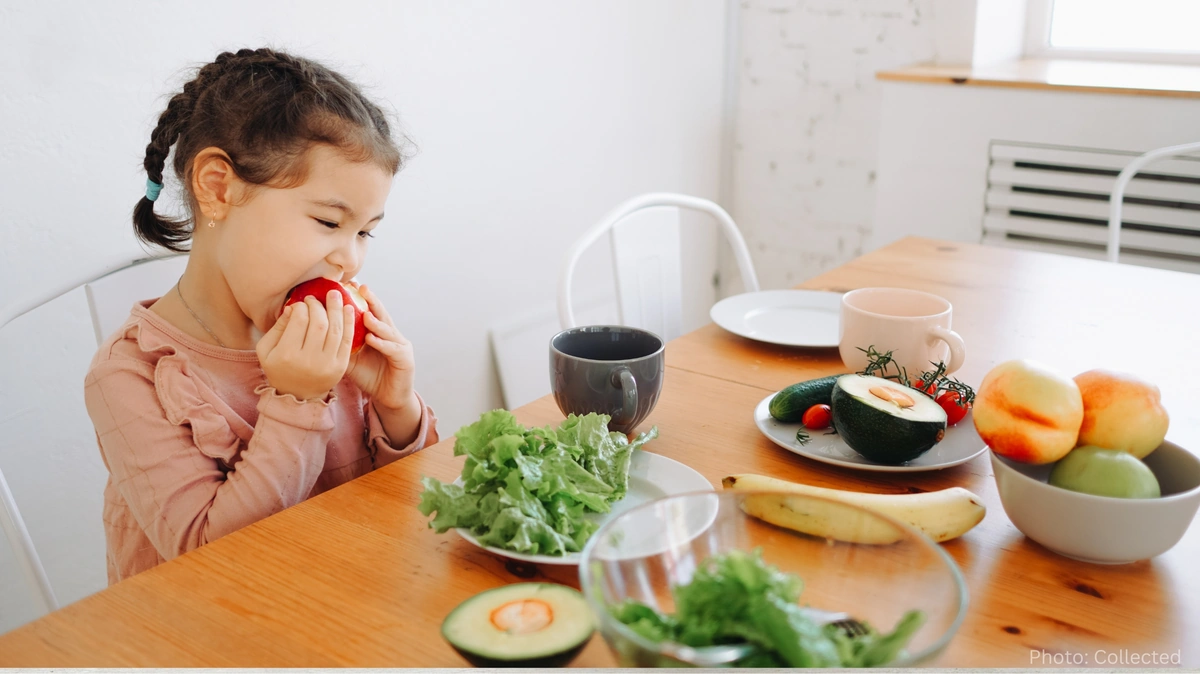
Experts emphasize the importance of balanced nutrition in school tiffins, highlighting simple, affordable, and nutritious meal ideas that support children’s physical growth and mental development.
Child nutrition plays a crucial role in physical growth, brain development, and long-term health. Health professionals stress that school-going children need balanced meals that provide adequate energy, protein, vitamins, and minerals to support their daily activities and learning performance.
In many households, preparing a healthy tiffin remains a daily challenge for parents due to time constraints, food preferences, and the need for variety. However, nutritionists say that simple planning and the use of common household ingredients can help create nutritious and appealing lunchboxes for children without requiring complex preparation.
A balanced tiffin typically includes a combination of carbohydrates, protein, healthy fats, and fruits or vegetables. Whole-grain items such as brown bread sandwiches, roti wraps, or homemade parathas can provide sustained energy throughout the school day. These options are often preferred over refined flour-based snacks, which may lead to rapid spikes and drops in energy levels.
Protein is essential for growth and development. Eggs, chicken, lentils, cheese, and yogurt are commonly recommended for inclusion in children’s meals. Simple preparations such as boiled eggs, egg sandwiches, or lentil patties can be both nutritious and easy to pack for school.
Fruits are another important component of a healthy tiffin. Seasonal options such as bananas, apples, guavas, oranges, and grapes offer essential vitamins and natural sweetness that appeal to children. Nutrition experts advise parents to choose whole fruits instead of packaged fruit juices, which often contain added sugars and fewer nutrients.
Vegetables can be incorporated into tiffins in creative ways to make them more appealing. Vegetable rolls, mixed vegetable parathas, stuffed sandwiches, and small salads can help children develop a taste for healthy foods from an early age.
Hydration is equally important. Clean drinking water should always be included in a child’s daily routine, while sugary drinks and carbonated beverages are best avoided. In some cases, homemade buttermilk or lightly flavored milk can be added as a healthy alternative.
Experts also emphasize the importance of portion control and variety. Repeating the same meals frequently can reduce a child’s interest in healthy foods, so rotating different combinations of grains, proteins, and fruits can help maintain enthusiasm for nutritious eating.
Food safety is another key concern. Parents are advised to ensure that perishable items such as dairy products, cooked meats, and cut fruits are stored properly to prevent spoilage. Using insulated lunch boxes can help maintain food freshness throughout the school day.
In addition to physical health, proper nutrition is closely linked to cognitive performance. Studies suggest that children who consume balanced meals are more likely to concentrate better in class, retain information effectively, and maintain stable energy levels throughout the day.
Schools and communities are also increasingly promoting nutrition awareness programs that educate parents and students about healthy eating habits. These initiatives aim to reduce reliance on junk food and encourage lifelong positive dietary practices.
Experts conclude that preparing healthy tiffins does not require expensive ingredients or complex recipes. With thoughtful planning and simple food choices, parents can ensure that children receive the nutrition they need to grow, learn, and thrive.
Ultimately, a well-balanced tiffin is more than just a meal it is an investment in a child’s health, development, and future well-being.
Related News




You may like




Tom Holland Says Marvel Has a Plan for the Next Spider-Man
August 1, 2026
Elected News
-
Bangladesh Seeks UN Women Support on Digital Harassment and Women’s Empowerment
-
Bangladesh, Australia Discuss Human Trafficking, Irregular Migration and Rohingya Crisis
-
Bangladesh Plans Internet-Free Access to Mobile Banking and Financial Apps
-
DU to Open Undergraduate Admission Applications on 11 November, Tests Begin 5 December


