Spice Guide: Turmeric and Cumin Highlighted for Their Health Benefits and Culinary Value
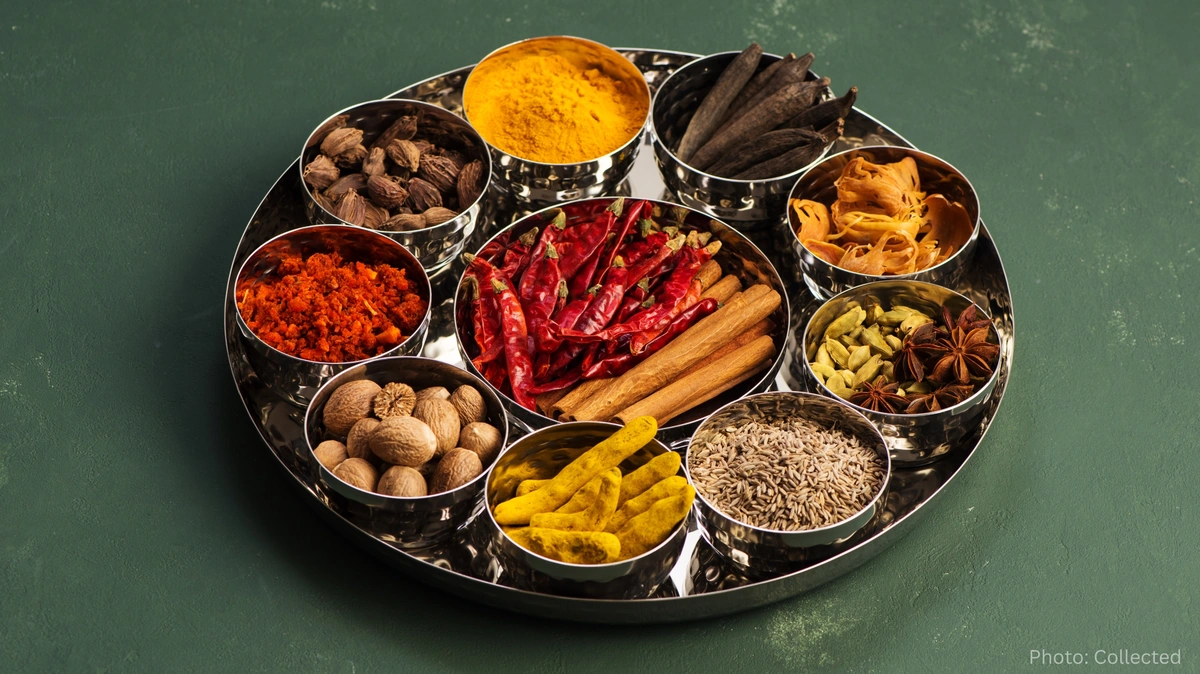
Nutrition experts highlight turmeric and cumin as two essential spices widely used in South Asian cuisine, known for their flavor, medicinal properties, and potential health benefits when consumed as part of a balanced diet.
Spices have long played a central role in South Asian cuisine, not only enhancing flavor but also contributing to traditional medicine and overall wellness. Among the most commonly used spices, turmeric and cumin stand out for their widespread use, cultural significance, and potential health benefits.
Turmeric, known for its vibrant yellow color, is a key ingredient in many Bangladeshi dishes. It contains an active compound called curcumin, which has been widely studied for its anti-inflammatory and antioxidant properties. Nutrition experts note that turmeric may support immune function, help reduce inflammation in the body, and contribute to overall health when consumed regularly in moderate amounts.
In everyday cooking, turmeric is used in rice dishes, curries, lentil soups, and vegetable preparations. Beyond its culinary role, it has also been traditionally used in herbal remedies and home-based treatments for minor wounds, colds, and digestive discomfort. However, health professionals emphasize that turmeric should be consumed as part of food rather than relied upon as a sole treatment for medical conditions.
Cumin is another essential spice commonly used in Bangladeshi kitchens. Known for its distinct aroma and earthy flavor, cumin seeds are often used in tempering spices, curries, and soups. Nutritionists highlight that cumin may aid digestion by stimulating enzyme secretion and improving nutrient absorption.
Cumin is also rich in antioxidants and may contribute to metabolic health. In traditional practices, cumin water or infused drinks are often consumed to support digestion and hydration. Its versatility makes it a staple in both home cooking and restaurant cuisine.
Together, turmeric and cumin form the foundation of many spice blends used in South Asian cooking, including curry powders and mixed spice combinations. These blends not only enhance taste but also contribute to the nutritional profile of meals.
Experts emphasize that while these spices offer potential health benefits, they should be consumed as part of a balanced diet rather than in excessive quantities. Overuse of spices, particularly in concentrated supplement form, may lead to unwanted side effects or interactions with certain medications.
Food scientists also note that the bioavailability of turmeric’s active compound, curcumin, increases when combined with black pepper and healthy fats. This traditional knowledge, long used in cooking practices, is now supported by modern nutritional research.
In addition to health benefits, spices like turmeric and cumin play an important cultural role. They are deeply embedded in culinary traditions, festive dishes, and daily cooking practices across Bangladesh and the wider South Asian region.
As interest in natural foods and preventive health continues to grow, spices are receiving renewed attention from both researchers and consumers. Their dual role as flavor enhancers and functional foods positions them as valuable components of a healthy lifestyle.
Ultimately, turmeric and cumin remain essential elements of traditional cuisine, offering a combination of taste, cultural identity, and potential wellness benefits when used responsibly in everyday meals.
Related News





You may like




Tom Holland Says Marvel Has a Plan for the Next Spider-Man
August 1, 2026
Elected News
-
Bangladesh Seeks UN Women Support on Digital Harassment and Women’s Empowerment
-
Bangladesh, Australia Discuss Human Trafficking, Irregular Migration and Rohingya Crisis
-
Bangladesh Plans Internet-Free Access to Mobile Banking and Financial Apps
-
DU to Open Undergraduate Admission Applications on 11 November, Tests Begin 5 December


