Hair Care Tips for Humid Weather: How to Keep Hair Healthy in Tropical Climates
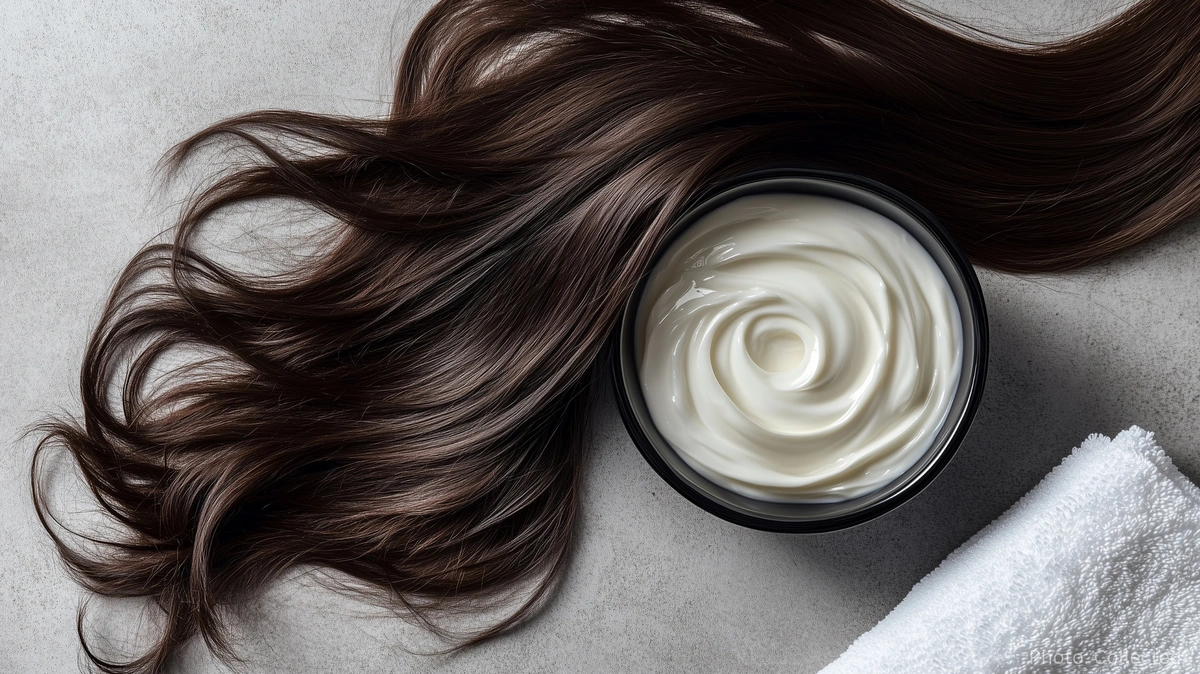
High humidity can lead to frizz, excessive oiliness, and scalp discomfort, making hair care more challenging in tropical regions. Hair specialists recommend tailored routines, proper hydration, and suitable products to help maintain healthy hair throughout the year.
Humidity is one of the biggest challenges for maintaining healthy hair, particularly in tropical climates where high temperatures and moisture levels are common throughout much of the year. Hair care experts say that while humidity itself does not damage hair, it can affect its appearance, texture, and manageability, making proper care routines increasingly important.
One of the most common complaints during humid weather is frizz. Hair naturally absorbs moisture from the surrounding air, causing the outer cuticle layer to swell. This process can make strands appear rough, dry, and difficult to style, especially for individuals with naturally curly, wavy, or chemically treated hair.
Choosing the right shampoo is considered the first step toward effective humidity control. Experts recommend selecting products that match individual hair types rather than washing hair excessively. Sulfate-free or mild shampoos are often suggested for people with dry or damaged hair, while clarifying shampoos may occasionally help remove excess oil and product buildup from oily scalps.
Conditioning is equally important, particularly in humid environments. Lightweight conditioners help smooth the hair cuticle and reduce moisture absorption from the air without weighing hair down. Applying conditioner mainly to the mid-lengths and ends rather than directly on the scalp can help prevent excess oiliness while maintaining hydration where it is needed most.
Leave-in conditioners and anti-frizz serums have become popular solutions for managing humidity-related problems. Products containing ingredients such as argan oil, coconut oil, glycerin in balanced formulations, or silicone-based smoothing agents may help reduce frizz by creating a protective barrier around hair strands. Hair professionals advise using these products in moderation to avoid buildup.
Heat styling should also be minimized whenever possible. Frequent use of hair dryers, straighteners, and curling irons may weaken the hair shaft and increase dryness, making hair even more susceptible to humidity. Allowing hair to air-dry partially before using low-heat styling tools can help reduce unnecessary damage.
Scalp care is another important aspect of healthy hair. Increased sweating during hot weather can lead to oil buildup, itching, or dandruff for some individuals. Keeping the scalp clean while avoiding over-washing helps maintain a healthy balance of natural oils. Those experiencing persistent scalp irritation or severe dandruff are encouraged to consult a dermatologist.
Protective hairstyles can also help manage humidity. Loose braids, buns, ponytails, and other low-tension styles reduce tangling while limiting exposure to moisture in the air. Experts caution against tightly pulling hair for extended periods, as excessive tension may contribute to hair breakage or traction-related hair loss.
Nutrition and hydration also influence hair health. A balanced diet containing adequate protein, iron, zinc, biotin, omega-3 fatty acids, and vitamins supports healthy hair growth. Drinking enough water throughout the day helps maintain overall hydration, which benefits both the scalp and hair.
Swimming in pools or seawater during warmer months may require additional care. Chlorine and saltwater can leave hair dry and brittle if not rinsed out promptly. Hair specialists recommend washing hair with clean water after swimming and applying a moisturizing conditioner to restore lost moisture.
Experts emphasize that hair care routines should be personalized according to hair texture, scalp condition, and lifestyle rather than following trends or using excessive products. Individuals experiencing sudden hair loss, persistent scalp infections, or unexplained changes in hair texture should seek professional medical evaluation.
As tropical climates continue to present unique challenges for hair maintenance, specialists say that consistent care, gentle cleansing, proper conditioning, and healthy lifestyle habits remain the most effective strategies for maintaining strong, manageable, and healthy hair throughout the year.
Related News





You may like




Tom Holland Says Marvel Has a Plan for the Next Spider-Man
August 1, 2026
Elected News
-
Bangladesh Seeks UN Women Support on Digital Harassment and Women’s Empowerment
-
Bangladesh, Australia Discuss Human Trafficking, Irregular Migration and Rohingya Crisis
-
Bangladesh Plans Internet-Free Access to Mobile Banking and Financial Apps
-
DU to Open Undergraduate Admission Applications on 11 November, Tests Begin 5 December


