Mental Health Stigma Remains a Major Challenge in Bangladesh Despite Growing Awareness
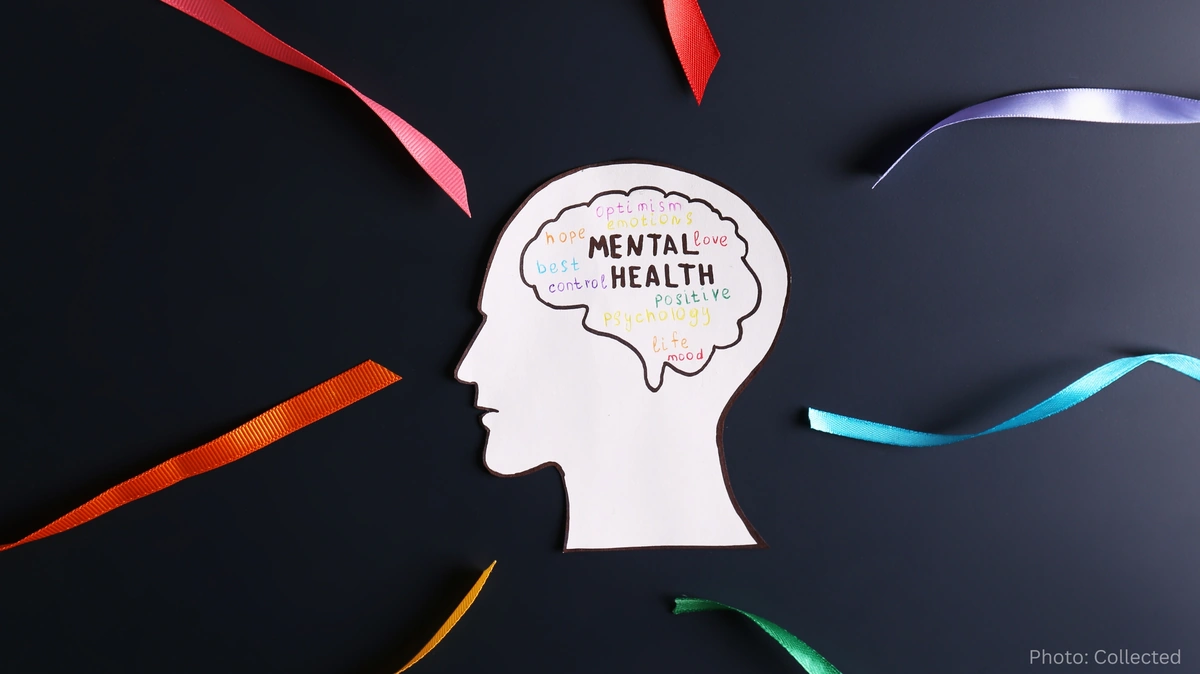
Experts say social stigma, limited access to care, and widespread misconceptions continue to prevent many people in Bangladesh from seeking mental health support, even as awareness of psychological well-being gradually increases.
Mental health is receiving increasing attention in Bangladesh, but experts warn that stigma and social misconceptions remain among the biggest barriers preventing people from seeking professional help. Despite growing public discussions about anxiety, depression, stress, and other psychological conditions, many individuals continue to suffer in silence due to fear of judgment or discrimination.
Mental health professionals say that cultural attitudes often lead people to dismiss psychological disorders as personal weakness, lack of faith, or temporary emotional problems rather than legitimate medical conditions. As a result, many individuals delay treatment until their symptoms become severe and significantly affect their daily lives.
According to healthcare experts, common mental health conditions such as depression, anxiety disorders, stress-related illnesses, and substance abuse problems affect people from all social and economic backgrounds. However, awareness about these conditions remains limited in many communities.
Mental health challenges have become more visible in recent years due to factors such as academic pressure, unemployment, financial uncertainty, social media influence, family conflicts, and rapid urbanization. Young people, in particular, are increasingly reporting symptoms related to stress, anxiety, and emotional burnout.
Despite the growing need for support, access to mental health services remains limited. Mental health specialists, psychiatrists, psychologists, and counseling services are concentrated mainly in major urban centers, making treatment difficult to access for many people living in rural areas. Long waiting times and treatment costs can also discourage patients from seeking professional care.
Experts note that stigma often extends beyond the individual and affects entire families. In some cases, concerns about social reputation, marriage prospects, or community perceptions lead families to hide mental health conditions instead of pursuing treatment. This reluctance can worsen symptoms and delay recovery.
Healthcare professionals emphasize that mental illnesses are medical conditions that can be managed effectively with appropriate treatment, counseling, and support. Early intervention is often associated with better outcomes and improved quality of life.
Educational institutions are increasingly recognizing the importance of student mental health. Several universities and schools have introduced counseling services, awareness programs, and wellness initiatives to support students facing academic and personal challenges. However, experts believe much more needs to be done to ensure widespread access to mental health resources.
Workplace mental health is also becoming an important topic. Employers are gradually acknowledging the impact of stress, burnout, and emotional well-being on employee productivity and overall organizational performance. Some organizations have begun implementing wellness programs, counseling support, and mental health awareness campaigns.
Public health advocates argue that national awareness efforts should focus on normalizing conversations about mental health and encouraging people to seek help without fear of stigma. They also stress the need for stronger community-based services, greater investment in mental healthcare infrastructure, and expanded training for healthcare providers.
Social media campaigns, advocacy groups, healthcare organizations, and public figures have played a role in promoting more open discussions about mental health. Their efforts have helped challenge long-standing misconceptions and encourage individuals to prioritize psychological well-being alongside physical health.
As awareness continues to grow, experts remain hopeful that attitudes toward mental health in Bangladesh will gradually change. They believe that reducing stigma, improving access to care, and fostering supportive communities are essential steps toward ensuring that people experiencing mental health challenges receive the understanding and treatment they need.
Related News





You may like




Tom Holland Says Marvel Has a Plan for the Next Spider-Man
August 1, 2026
Elected News
-
Bangladesh Seeks UN Women Support on Digital Harassment and Women’s Empowerment
-
Bangladesh, Australia Discuss Human Trafficking, Irregular Migration and Rohingya Crisis
-
Bangladesh Plans Internet-Free Access to Mobile Banking and Financial Apps
-
DU to Open Undergraduate Admission Applications on 11 November, Tests Begin 5 December


