Rising Kidney Disease Cases Highlight Need for Greater Awareness and Early Detection
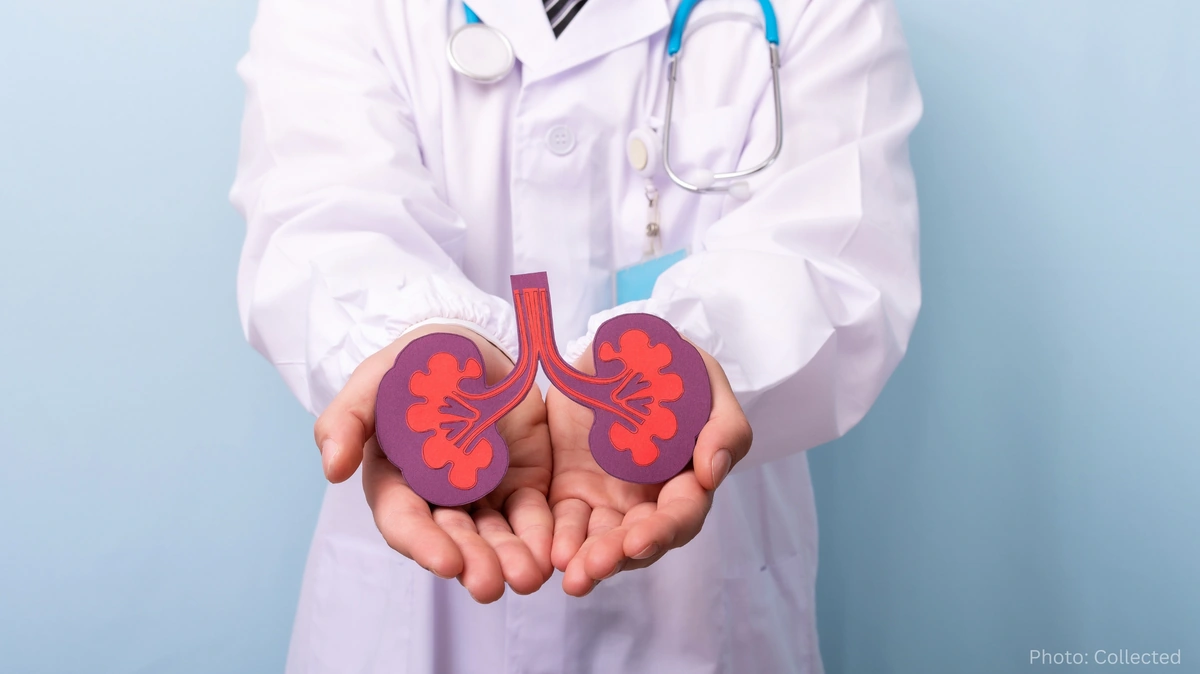
Health experts are calling for increased public awareness about kidney disease as growing numbers of patients require dialysis and long-term treatment due to late diagnosis and preventable risk factors.
Kidney disease is emerging as a major public health concern worldwide, affecting millions of people and placing significant pressure on healthcare systems. Medical professionals warn that many individuals remain unaware of their condition until it reaches an advanced stage, making early detection and prevention essential.
The kidneys play a vital role in maintaining overall health by filtering waste products and excess fluids from the blood, regulating blood pressure, balancing electrolytes, and supporting the production of red blood cells. When kidney function gradually declines, harmful waste can build up in the body, leading to serious health complications.
Chronic Kidney Disease (CKD) is one of the most common forms of kidney-related illness. It develops over time and often progresses silently, with few noticeable symptoms during its early stages. As a result, many patients are diagnosed only after significant damage has already occurred.
According to health specialists, diabetes and high blood pressure remain the leading causes of chronic kidney disease. Other contributing factors include obesity, smoking, family history of kidney disorders, cardiovascular disease, and prolonged use of certain medications without medical supervision.
Common warning signs of kidney disease may include persistent fatigue, swelling in the feet and ankles, changes in urination patterns, loss of appetite, nausea, muscle cramps, difficulty concentrating, and unexplained shortness of breath. However, these symptoms often appear only when the disease has advanced.
Doctors stress the importance of regular health checkups, particularly for people with diabetes, hypertension, or a family history of kidney disease. Simple blood and urine tests can help identify kidney problems at an early stage, allowing treatment to begin before irreversible damage occurs.
For patients whose kidneys lose most of their function, dialysis becomes a life-sustaining treatment. Dialysis helps remove waste products, toxins, and excess fluid from the bloodstream when the kidneys can no longer perform these functions effectively.
There are two main types of dialysis: hemodialysis and peritoneal dialysis. Hemodialysis involves filtering blood through a machine, typically several times a week at a dialysis center. Peritoneal dialysis uses the lining of the abdomen to filter waste and can often be performed at home under medical guidance.
While dialysis can significantly improve quality of life and prolong survival, it also requires substantial time, resources, and lifestyle adjustments. Patients often need to follow strict dietary guidelines, limit certain fluids, and attend regular medical appointments to manage their condition effectively.
Healthcare professionals emphasize that prevention remains the most effective strategy. Maintaining healthy blood pressure and blood sugar levels, eating a balanced diet, staying physically active, avoiding tobacco use, and drinking adequate amounts of water can help reduce the risk of kidney disease.
Public awareness campaigns are also encouraging people to understand the importance of kidney health and recognize early warning signs. Experts note that timely diagnosis can slow disease progression, reduce the need for dialysis, and improve long-term outcomes for patients.
As kidney disease continues to affect growing numbers of people across the globe, medical experts believe that education, preventive healthcare, and improved access to screening services will play a crucial role in reducing the burden of the disease and helping patients lead healthier lives.
Related News





You may like




Tom Holland Says Marvel Has a Plan for the Next Spider-Man
August 1, 2026
Elected News
-
Bangladesh Seeks UN Women Support on Digital Harassment and Women’s Empowerment
-
Bangladesh, Australia Discuss Human Trafficking, Irregular Migration and Rohingya Crisis
-
Bangladesh Plans Internet-Free Access to Mobile Banking and Financial Apps
-
DU to Open Undergraduate Admission Applications on 11 November, Tests Begin 5 December


