United States Moves to Overhaul Student Visa Rules, Four-Year Stay Limit Proposed for International Students
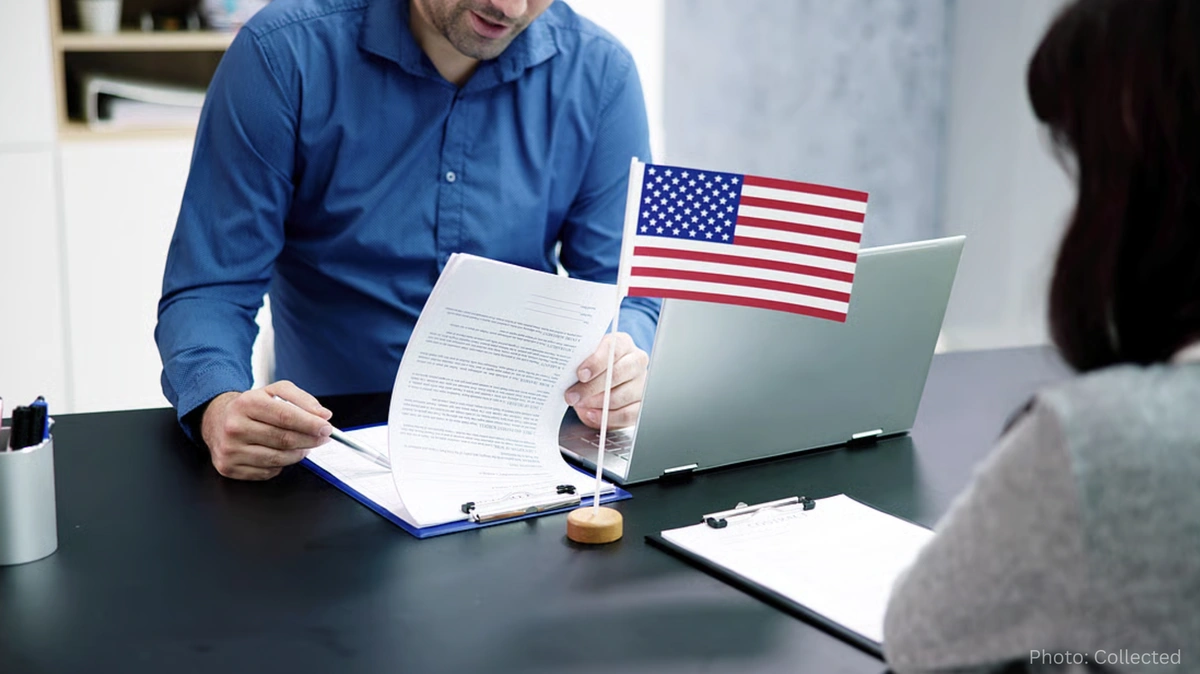
The United States is preparing to introduce a major change to its student visa system by replacing the long-standing “Duration of Status” policy with fixed periods of stay. The proposed regulation could require many international students to seek extensions if their studies exceed four years.
The United States is set to implement significant changes to its immigration framework for international students, marking one of the most notable revisions to student visa regulations in recent years. Under the proposed policy, foreign students studying in the country may no longer be allowed to remain in the United States for the entire duration of their academic programs automatically.
According to reports, the White House has granted policy-level approval for a new visa rule that would replace the existing “Duration of Status” system with a fixed period of authorized stay. The move is expected to affect thousands of international students and exchange visitors enrolled in American educational institutions.
Under the current system, students holding F-category visas are generally permitted to remain in the United States for as long as they continue their academic programs and comply with visa requirements. This framework has allowed students to complete undergraduate, graduate, doctoral, and other academic programs without needing to apply repeatedly for extensions based solely on the length of their studies.
However, the proposed regulation would introduce a defined period of stay for eligible visa holders. Once that period expires, students whose academic programs remain unfinished would be required to submit a formal request to immigration authorities seeking permission to extend their stay.
The White House Office of Management and Budget (OMB) has already completed its review of the final regulation, a step that typically occurs shortly before official publication and implementation. The completion of this review suggests that the policy could be formally announced and enacted in the near future.
The rule is expected to apply not only to F visa holders but also to individuals in the J exchange visitor category, certain I-category visa holders, and their dependent family members. Immigration experts believe the change could significantly alter how international students plan their education and residency timelines in the United States.
According to the proposed framework, most students may be granted a maximum stay period of four years. Those pursuing academic programs that require more time—such as doctoral studies, medical education, research-intensive degrees, or programs interrupted by exceptional circumstances—would need to apply for additional authorization before their approved stay expires.
Supporters of the proposal argue that a fixed-term system would strengthen immigration oversight and improve monitoring of visa compliance. They contend that periodic reviews would help ensure that visa holders continue to meet the conditions of their admission and remain actively engaged in their approved educational activities.
Critics, however, have expressed concerns that the policy could create additional administrative burdens for both students and educational institutions. Universities and colleges that rely heavily on international enrollment may face increased paperwork and uncertainty regarding students whose programs extend beyond the initial authorization period.
The Department of Homeland Security first introduced the idea of replacing the Duration of Status framework during 2025. The concept had originally been considered during the first Trump administration but was not implemented at that time. The renewed effort has now advanced significantly, with federal authorities completing key regulatory review procedures.
International students contribute billions of dollars annually to the U.S. economy through tuition fees, housing, transportation, and other expenditures. As a result, any changes affecting student mobility and residency rights are closely watched by educational institutions, immigration attorneys, and governments around the world.
With the White House review process now complete, observers expect the final regulation to be released soon. If implemented, the new system would represent a fundamental shift in how international students maintain legal status in the United States, requiring many to navigate additional immigration procedures during the course of their studies.
Universities, student organizations, and immigration specialists are expected to monitor the rollout closely as they assess the potential impact of the new policy on future international enrollment and academic planning.
Related News




You may like



Tom Holland Says Marvel Has a Plan for the Next Spider-Man
August 1, 2026
Elected News
-
Bangladesh Seeks UN Women Support on Digital Harassment and Women’s Empowerment
-
Bangladesh, Australia Discuss Human Trafficking, Irregular Migration and Rohingya Crisis
-
Bangladesh Plans Internet-Free Access to Mobile Banking and Financial Apps
-
DU to Open Undergraduate Admission Applications on 11 November, Tests Begin 5 December


