Armed groups hinder Ebola response in DR Congo, UN says
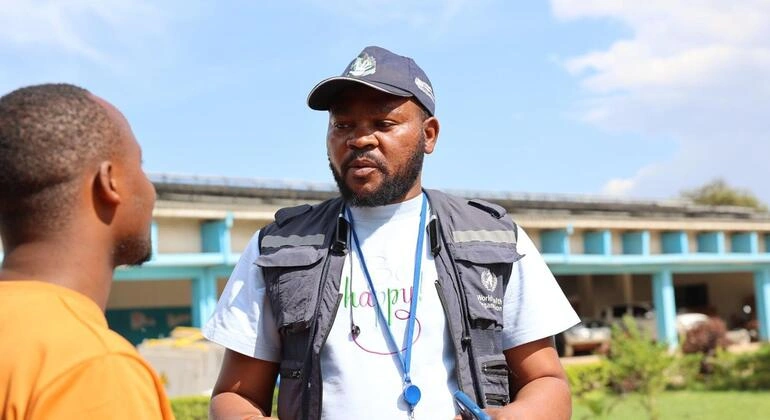
Armed groups are killing more people than the Ebola virus in the Democratic Republic of the Congo, according to UN officials. The violence is hindering medical responses and worsening a food insecurity crisis that threatens over 30 million people.
Armed groups in the Democratic Republic of the Congo (DRC) are currently killing more people than the ongoing Ebola outbreak, according to United Nations officials. The persistent violence, largely attributed to the Allied Democratic Forces (ADF), is severely obstructing health response efforts and compounding a deepening food insecurity crisis across the country's eastern and northeastern provinces.
Julien Harneis, the UN Senior Ebola Response Coordinator, stated that ADF fighters are responsible for a higher death toll than the disease in recent days. Mr Harneis noted that attacks on tens of villages across the south of Ituri and North Kivu provinces have frequently gone unnoticed. He warned that the security situation has made contact tracing and medical intervention in these areas a hazardous endeavour, as local populations remain fearful and frustrated by the lack of effective intervention.
The World Health Organization (WHO) reported that despite progress in containing transmission within some eastern areas, approximately 400 to 500 new Ebola infections are still being identified every week. Dr Chikwe Ihekweazu, Executive Director of the WHO’s Health Emergencies Programme, explained that the virus is increasingly spreading into rural and difficult-to-reach locations. This shift in the outbreak's geography complicates containment strategies and requires responders to work more closely with local communities to build trust.
Violence against healthcare infrastructure remains a critical concern for international responders. A recent attack in Cantine-Aloya, North Kivu, resulted in the deaths of 66 civilians, including three health workers, while three medical facilities were looted. In a separate incident two weeks ago in Tshopo province, a nurse was killed and another health worker was injured while responding to an Ebola alert. Other recorded acts of violence have included an arson attempt on a treatment centre and the throwing of stones at a vehicle tasked with conducting safe and dignified burials.
The DRC has recorded more than 11,000 confirmed Ebola cases and over 5,000 deaths since the outbreak was declared in May. WHO Director-General Tedros Adhanom Ghebreyesus remarked that for many residents in the affected communities, the immediate threat of violence is perceived as a greater danger than the disease itself. While the WHO has noted significant reductions in transmission in previous hotspots, such as Bunia, Mongbwalu, Rampara and Nizi in Ituri province, the broader instability continues to undermine these gains.
The humanitarian situation is further strained by a massive food insecurity crisis. The UN World Food Programme (WFP) estimates that nearly 29 million people in the DRC currently face acute food insecurity. Experts project that between January and June 2027, this figure will rise to 30.3 million, with 4.2 million people experiencing emergency levels of hunger. The most acute needs are concentrated in North Kivu, South Kivu and Ituri provinces.
Jean-Martin Bauer, WFP Director of Food Security and Nutrition Analysis, explained that persistent conflict and large-scale displacement are the primary drivers of the hunger crisis. Families are frequently cut off from their farms and livelihoods, while rising food prices make basic sustenance increasingly unaffordable for many households. Mr Bauer emphasised that the Ebola outbreak is compounding these existing hardships, as the combined pressure of disease and violence forces communities into deeper vulnerability. The UN has called for urgent access and resources to prevent the situation from deteriorating further.
Related News





You may like
Fed hosts AI forum as officials warn of job market disruptions
November 13, 2026

Bangladesh Bank launches Tk 15 billion fund for small loans
November 13, 2026

Bangladesh pushes for climate grants and technology at COP31
November 13, 2026
Trump AI task force reviews safety standards amid expiring cyber law
November 13, 2026
Elected News
-
Bangladesh Seeks UN Women Support on Digital Harassment and Women’s Empowerment
-

Bangladesh, Australia Discuss Human Trafficking, Irregular Migration and Rohingya Crisis
-

Bangladesh Plans Internet-Free Access to Mobile Banking and Financial Apps
-

DU to Open Undergraduate Admission Applications on 11 November, Tests Begin 5 December


