Pakistan Defence Minister Issues War Warning to India Over Water Dispute Amid Rising Crisis
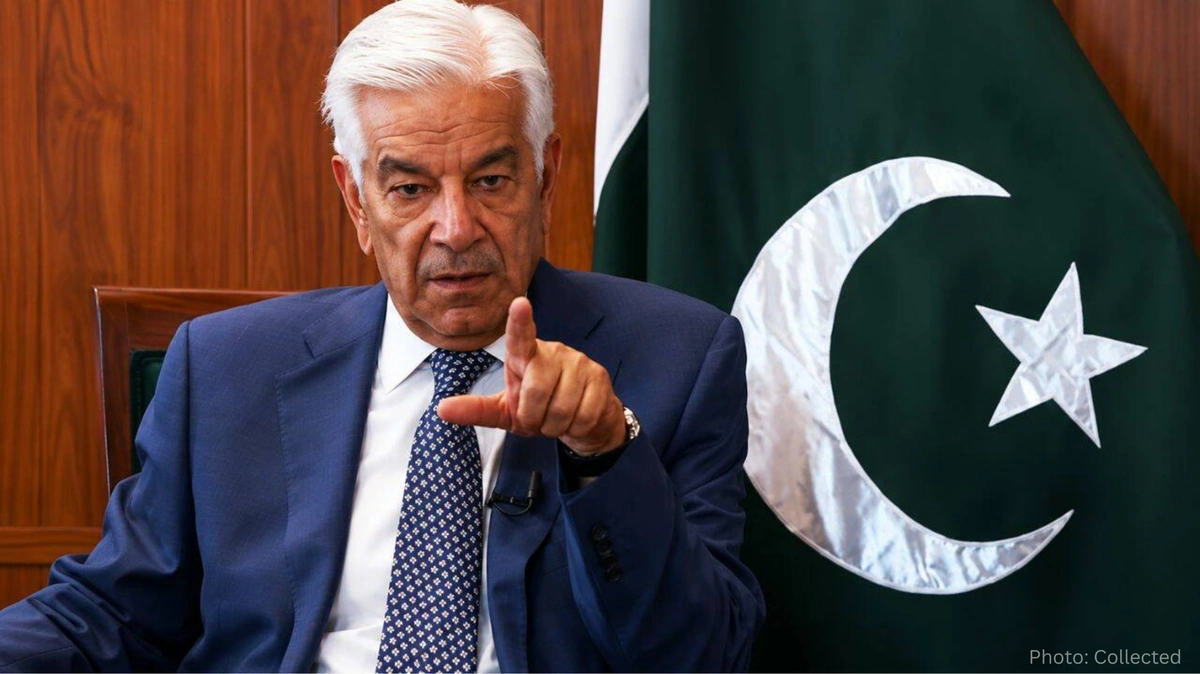
Amid escalating tensions over the Indus Waters Treaty and worsening domestic water shortages, Pakistan’s defence minister Khawaja Muhammad Asif has warned that the country could consider war if its water security is threatened, while India maintains its suspension of the treaty.
Pakistan’s Defence Minister Khawaja Muhammad Asif has issued a stark warning to India, stating that Islamabad could resort to war if it perceives a serious threat to its water security. His remarks come at a time of heightened diplomatic strain between the two countries and growing internal pressure on Pakistan over a worsening water crisis.
Speaking in an interview with local media outlet ARY News, Asif said that water is a core component of national security and any perceived attempt to disrupt Pakistan’s water supply would be met with a strong response. He stated that if the country believes its water resources are being deliberately threatened, “we will go to war against India,” underscoring the severity of his message.
The comments were made in the context of ongoing tensions surrounding the Indus Waters Treaty, a World Bank-brokered agreement signed in 1960 that governs the distribution of water from the Indus River system between the two nuclear-armed neighbors. Under the treaty, Pakistan has historically retained control over approximately 80 percent of the Indus basin waters for agricultural and domestic use.
India has maintained that its decision to place the treaty in abeyance remains unchanged, linking the move to broader security concerns following a militant attack in Pahalgam in April 2025, which New Delhi has attributed to cross-border elements. Indian officials have stated that the suspension will remain in effect until Pakistan takes what they describe as credible and irreversible action against terrorist infrastructure operating across the border.
Asif further suggested that Pakistan would consider military options if it believed India was accelerating efforts to restrict or manipulate water flows into Pakistani territory. However, his remarks did not include specific evidence of recent developments, and he acknowledged limited updated information on certain technical claims he referenced.
Alongside the diplomatic confrontation, Pakistan is facing a deepening internal water crisis that experts attribute to structural mismanagement, outdated infrastructure, and inefficient distribution systems. The shortage has become particularly severe in the provinces of Sindh and Balochistan, where millions of residents depend heavily on irrigation networks for agriculture and daily water needs.
Official figures from regional irrigation authorities indicate significant deficits across major canal systems. Reports suggest that key waterways, including the North West Canal, are experiencing water shortfalls exceeding 60 percent, while other systems such as the Rice and Dadu canals are also facing severe reductions in flow. These shortages have raised concerns over crop failures, food insecurity, and economic instability in rural regions.
Water levels at critical infrastructure points, including the Sukkur Barrage one of the most important control structures in Pakistan’s irrigation network have reportedly declined to alarming levels. Local officials and analysts have warned that continued shortages could trigger widespread agricultural losses, often described in domestic discussions as an “economic emergency” for farming communities.
Experts note that Pakistan’s water challenges are not solely external in nature but are significantly driven by internal governance issues, including poor storage capacity, inefficient irrigation practices, and lack of long-term water management planning. Climate variability and rising demand have further intensified pressure on an already strained system.
India, on the other hand, has repeatedly maintained that its actions regarding the Indus system are within legal and technical boundaries defined by international agreements and that water sharing issues should be addressed through diplomatic and institutional mechanisms rather than confrontation.
Despite the sharp rhetoric, analysts emphasize that both countries remain bound by complex geopolitical realities, given that they are nuclear-armed states with a long history of conflict and negotiated water-sharing frameworks. Any escalation linked to essential resources such as water is widely viewed as a serious regional and global security concern.
As tensions continue, the situation highlights how environmental stress, infrastructure limitations, and political disputes are increasingly intersecting in South Asia, turning water resources into a highly sensitive and strategically significant issue for both nations.
Related News





You may like




Tom Holland Says Marvel Has a Plan for the Next Spider-Man
August 1, 2026
Elected News
-

Bangladesh Seeks UN Women Support on Digital Harassment and Women’s Empowerment
-

Bangladesh, Australia Discuss Human Trafficking, Irregular Migration and Rohingya Crisis
-

Bangladesh Plans Internet-Free Access to Mobile Banking and Financial Apps
-

DU to Open Undergraduate Admission Applications on 11 November, Tests Begin 5 December


