India Faces Legal Challenge Over AI Surveillance at Youth Protests
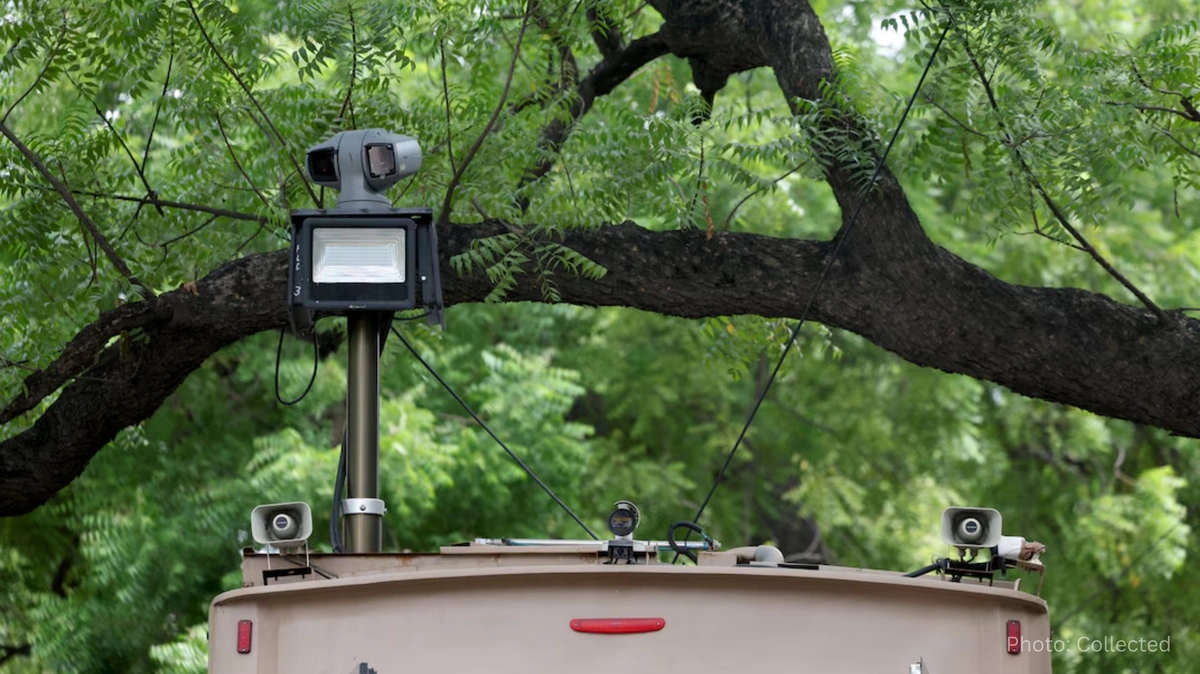
Rights groups allege police used facial recognition technology and collected protesters' personal data without a legal framework, while the government defends the measures as necessary for public safety.
India is facing growing scrutiny over the use of AI-powered surveillance during one of the country's largest youth protests in recent years, as activists challenge the government's monitoring practices in court.
The controversy stems from student-led demonstrations in New Delhi over national examination paper leaks, where police deployed a mobile surveillance vehicle equipped with AI-enabled cameras capable of providing 360-degree monitoring. Protesters also alleged that authorities collected facial recognition data and recorded Instagram usernames of participants.
Student activist Aishe Ghosh has petitioned the Delhi High Court, seeking a declaration that mass surveillance of protesters is unconstitutional. The petition also calls for the deletion of all personal data collected during the demonstrations and the establishment of clear legal guidelines governing the use of surveillance technology by law enforcement.
Although the protests ended after Education Minister Dharmendra Pradhan resigned and the government announced reforms to the examination system, the legal challenge continues, with campaigners arguing the case could set an important precedent for privacy and civil liberties in India.
During recent court proceedings, government lawyers defended the surveillance measures, arguing they were lawful and necessary to maintain public order and ensure security at large public gatherings. Officials maintained that the technology was used to identify individuals with criminal backgrounds and support policing operations.
Digital rights advocates dispute that position, noting that India currently has no specific law regulating the use of facial recognition technology by police. The Internet Freedom Foundation has demanded the deletion of any biometric data collected during the protests, warning that unchecked surveillance threatens citizens' fundamental rights.
Images circulating online showed a police surveillance vehicle branded "Ikshana," equipped with AI-powered cameras and facial recognition capabilities. A Reuters reporter observed one of the systems displaying a facial match indicator before police officers closed the vehicle's window.
Legal experts say the case could become a landmark test of the balance between public security and individual privacy in India, particularly as AI-powered surveillance technologies become increasingly common in policing.
The Delhi High Court is expected to continue hearing arguments as activists seek greater transparency and accountability over the government's use of emerging surveillance tools during public demonstrations.
Related News



You may like

Tom Holland Says Marvel Has a Plan for the Next Spider-Man
August 1, 2026
Elected News
-
Bangladesh Seeks UN Women Support on Digital Harassment and Women’s Empowerment
-
Bangladesh, Australia Discuss Human Trafficking, Irregular Migration and Rohingya Crisis
-
Bangladesh Plans Internet-Free Access to Mobile Banking and Financial Apps
-
DU to Open Undergraduate Admission Applications on 11 November, Tests Begin 5 December


