Pakistan Monsoon Death Toll Surpasses 100 as Floods Swamp Punjab, More Heavy Rain Forecast
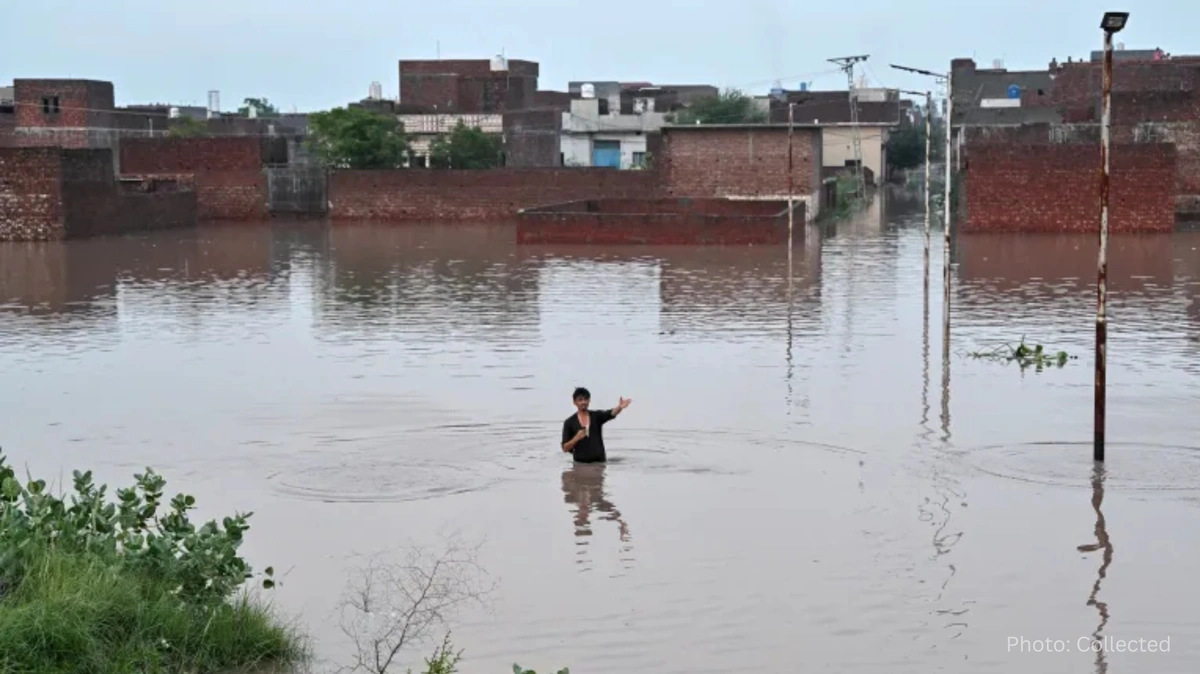
Pakistan's deadly monsoon season has claimed more than 100 lives since late June, with widespread flooding, collapsed homes and large-scale evacuations raising fears of further devastation as authorities warn that another spell of heavy rainfall is expected later this week.
Pakistan is facing a worsening humanitarian crisis as relentless monsoon rains and flooding have claimed at least 107 lives since late June, while hundreds of others have been injured and thousands of families continue to grapple with widespread destruction across several provinces.
According to the country's National Disaster Management Authority (NDMA), rain-related incidents have also left at least 344 people injured and damaged hundreds of homes during the current monsoon season. Officials warned that although weather conditions may briefly improve, another significant spell of rainfall is expected within days.
The northwestern province of Khyber Pakhtunkhwa has recorded the highest number of fatalities, with 55 deaths reported so far. Punjab, Pakistan's most populous province, has confirmed 36 deaths, while other regions have also experienced casualties linked to severe weather.
Authorities said that more than half of the reported deaths occurred after houses and rooftops collapsed under the impact of heavy rainfall, highlighting the vulnerability of poorly constructed buildings and densely populated settlements.
Flooding has been particularly severe across Punjab, where continuous rainfall has submerged large areas and forced emergency authorities to establish relief camps for displaced residents.
In Lahore, the provincial capital, emergency shelters have been opened to accommodate residents forced to flee rising floodwaters. Rescue teams remain on standby while engineers continue efforts to drain inundated neighborhoods and protect critical infrastructure.
Officials from Punjab's irrigation authorities described the flooding as one of the most serious in recent years, saying vast stretches of land have been submerged across Lahore and neighboring districts. Some affected areas now resemble an inland sea due to the enormous volume of accumulated floodwater.
Punjab Chief Minister Maryam Nawaz Sharif said emergency personnel had been deployed throughout the province, with rescue workers, civil administration teams and local authorities coordinating relief operations and attempting to restore normal conditions as quickly as possible.
Despite the widespread flooding, Pakistan's Meteorological Department stated that no major flood-generating weather system is expected until Tuesday. However, forecasters warned that a fresh wet spell is likely to begin from Wednesday, bringing renewed rainfall to Islamabad, upper Punjab, Pakistan-administered Kashmir, Khyber Pakhtunkhwa and the mountainous Gilgit-Baltistan region.
The department also noted that the Ravi River is currently flowing at a medium flood level, while most of the country's major rivers remain within normal to low flood levels. Authorities continue to monitor river conditions closely as additional rainfall could rapidly increase water levels.
Disaster management officials have urged residents living near rivers, canals and low-lying communities to remain vigilant and follow evacuation orders if necessary. Emergency services have also advised people to avoid unnecessary travel during periods of heavy rain.
Experts say Pakistan remains particularly vulnerable to monsoon disasters because of rapid urban expansion, inadequate drainage systems and unplanned settlements that leave millions exposed to flash floods and infrastructure failures.
The country has repeatedly suffered devastating monsoon seasons in recent years, with extreme weather events becoming increasingly frequent and intense. Scientists have linked the growing severity of flooding across South Asia to climate change, which is contributing to heavier rainfall, rising temperatures and more unpredictable weather patterns.
With the monsoon season expected to continue until September, officials fear the current death toll could rise further if forecasted rainfall triggers additional flooding in already saturated regions. Authorities have pledged to continue rescue operations, distribute emergency assistance and strengthen disaster response efforts as communities brace for more severe weather in the weeks ahead.
Related News





You may like




Tom Holland Says Marvel Has a Plan for the Next Spider-Man
August 1, 2026
Elected News
-
Bangladesh Seeks UN Women Support on Digital Harassment and Women’s Empowerment
-
Bangladesh, Australia Discuss Human Trafficking, Irregular Migration and Rohingya Crisis
-
Bangladesh Plans Internet-Free Access to Mobile Banking and Financial Apps
-
DU to Open Undergraduate Admission Applications on 11 November, Tests Begin 5 December


