Bombay High Court Says Criticising Babri Masjid Demolition Is Not Anti-National
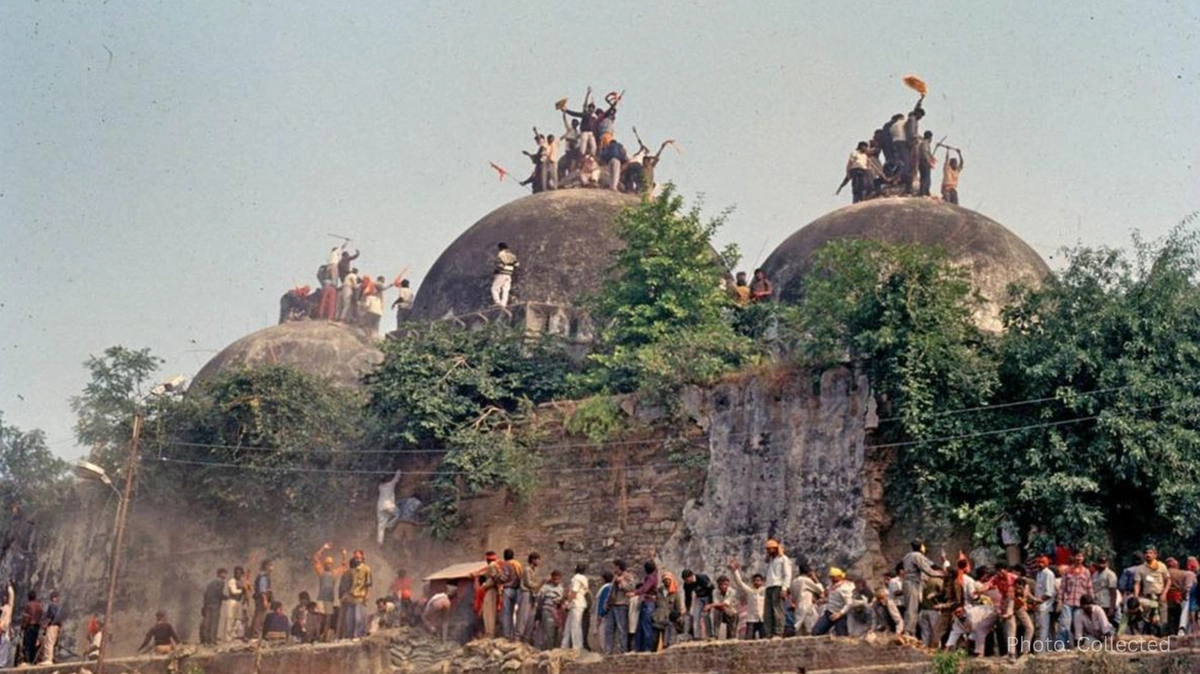
The Bombay High Court has overturned externment orders against two SDPI leaders, ruling that expressing opposition to the demolition of the Babri Masjid falls within the right to free expression and cannot be treated as an anti-national act.
The Bombay High Court has quashed one-year externment orders issued against two leaders of the Social Democratic Party of India (SDPI), ruling that expressing the opinion that the Babri Masjid should never have been demolished does not amount to anti-national activity.
The decision came in a judgment delivered by Justice Madhav Jamdar, who set aside the orders issued by Mumbai Police against Firoz Abdul Wahab Khan and Mohammad Rafiq Gulam Rasul Ansari. The court found that the police action lacked sufficient legal grounds and raised concerns over the selective manner in which the two individuals had been targeted.
The externment orders, issued in December last year, prohibited the two SDPI functionaries from entering Mumbai for one year. Authorities argued that their involvement in several protests posed a potential threat to public order.
According to police records, the action was based on three separate First Information Reports (FIRs) linked to demonstrations concerning the Waqf Bill, environmental concerns over air pollution caused by cement storage facilities, and protests relating to the Babri Masjid.
During the hearing, Justice Jamdar questioned the inclusion of the Babri Masjid protest as a basis for declaring the petitioners a threat to public peace. The judge observed that individuals are entitled to hold and express differing opinions regarding historical events, provided they do not incite violence or break the law.
Addressing the argument presented by the authorities, Justice Jamdar remarked that believing the Babri Masjid should not have been demolished reflects a personal viewpoint and cannot by itself be classified as anti-national. He emphasized that citizens possess the constitutional right to express such opinions without automatically being labelled as acting against the nation.
The court also examined whether the police had acted fairly in selecting the two petitioners for externment. It noted that members of several political organizations had participated in the same demonstrations, yet only the two SDPI leaders faced such severe restrictions.
Justice Jamdar questioned the apparent inconsistency in the police approach, observing that similar action had not been initiated against participants affiliated with other political parties who attended the same protests. The court indicated that such selective enforcement raised concerns regarding equal treatment under the law.
Representing the Maharashtra government, Chief Public Prosecutor Shishir Hiray argued that the petitioners maintained links with the banned Popular Front of India (PFI) and claimed their activities had the potential to create communal tension and disturb public harmony.
However, the High Court declined to examine those allegations during the proceedings. The bench pointed out that the claimed links with the banned organization were never mentioned in the original show-cause notices served to the petitioners before the externment orders were issued.
The court held that authorities cannot rely on allegations that were not communicated to the individuals during the legal process, as doing so would deny them a fair opportunity to respond. Since the accusations regarding alleged PFI connections were introduced later, they could not be considered while assessing the legality of the externment orders.
After reviewing the available evidence and legal procedure, the High Court concluded that the orders could not be sustained. Justice Jamdar ruled that the police had failed to establish sufficient grounds to justify removing the two individuals from Mumbai for an entire year.
The judgment has drawn attention for reaffirming the importance of freedom of expression and procedural fairness in administrative actions. Legal observers noted that the ruling underscores the principle that expressing an opinion on a historical or political issue, without evidence of unlawful conduct, cannot automatically be interpreted as an act against the nation.
With the High Court's decision, the externment orders against Firoz Abdul Wahab Khan and Mohammad Rafiq Gulam Rasul Ansari have been formally set aside, allowing both SDPI leaders to remain in Mumbai while reinforcing judicial scrutiny over the use of preventive administrative measures.
Related News




You may like




Tom Holland Says Marvel Has a Plan for the Next Spider-Man
August 1, 2026
Elected News
-
Bangladesh Seeks UN Women Support on Digital Harassment and Women’s Empowerment
-
Bangladesh, Australia Discuss Human Trafficking, Irregular Migration and Rohingya Crisis
-
Bangladesh Plans Internet-Free Access to Mobile Banking and Financial Apps
-
DU to Open Undergraduate Admission Applications on 11 November, Tests Begin 5 December


