Gulf Crisis Puts Bangladesh’s Labour Market at Risk While Opening Door to Future Opportunities
The Chronify
Rising regional tensions threaten migrant workers and remittance flows, but post-conflict reconstruction could reshape labour demand
Escalating tensions in West Asia are creating both immediate risks and potential long-term opportunities for Bangladesh, as instability across Gulf countries begins to disrupt migrant labour markets and economic flows tied to remittances.
The ongoing conflict involving Iran, the United States, and Israel has triggered heightened security measures, operational slowdowns, and uncertainty across key Gulf economies. Countries such as Saudi Arabia, the United Arab Emirates, Qatar, and Kuwait have experienced disruptions in energy, logistics, and infrastructure sectors, raising concerns about economic stability in the region.
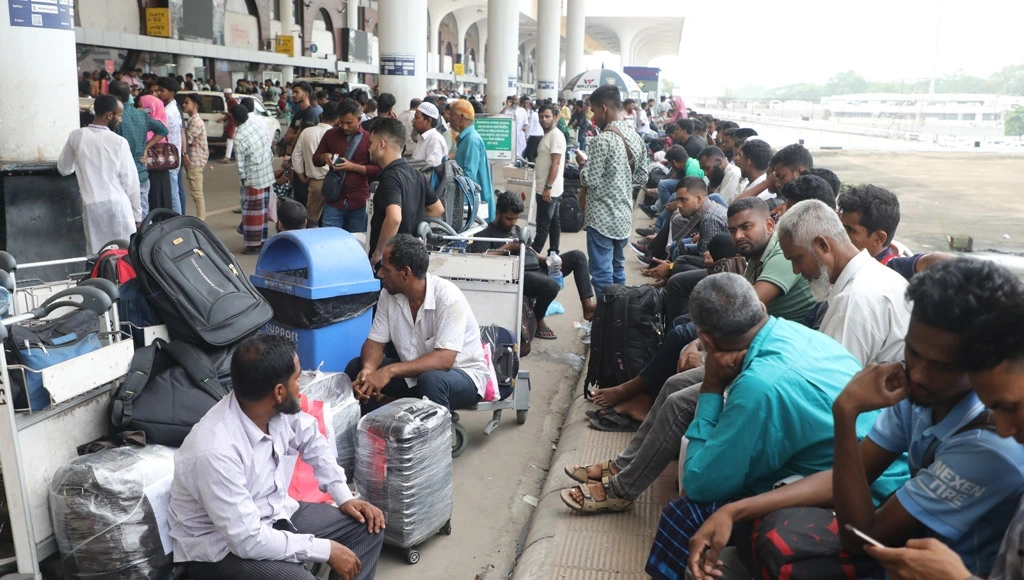
For Bangladesh, the stakes are particularly high. The Gulf region remains a primary destination for millions of Bangladeshi workers employed in construction, transport, domestic services, and hospitality. In 2025 alone, more than two-fifths of Bangladesh’s total remittance inflow—approximately $14.1 billion—came from Gulf Cooperation Council countries, highlighting the country’s heavy reliance on the region.
Recent developments indicate early signs of strain. Flight cancellations, slowed recruitment processes, and increased uncertainty in migration approvals have begun affecting workers. Sectors such as construction, aviation, and tourism in the Gulf are facing temporary disruptions, raising concerns about job security and income stability for expatriates.
Beyond economic impacts, safety concerns have intensified. Bangladeshi workers in affected areas are navigating heightened security risks, with reports indicating casualties among expatriates. Analysts stress that ensuring the safety and protection of migrant workers must remain the immediate priority.
Despite these challenges, experts suggest that the crisis may eventually create new opportunities. Historically, conflicts in the Gulf have been followed by reconstruction phases requiring significant foreign labour. Rebuilding infrastructure, transport systems, and industrial facilities could generate renewed demand for workers in construction, engineering, and logistics sectors.
Economists note that the extent of opportunity will depend on how the conflict evolves and whether labour demand expands during recovery. Bangladesh’s long-standing presence in Gulf labour markets could offer a competitive advantage, but experts emphasize the need for proactive diplomatic engagement and policy coordination.
At the same time, concerns remain about workforce readiness. Analysts highlight a shortage of skilled labour in Bangladesh, particularly in technical and infrastructure-related fields, which could limit the country’s ability to fully benefit from future demand.
Bangladesh’s neutral diplomatic stance in West Asia may help maintain access to multiple labour markets during the crisis. However, outcomes remain uncertain. If tensions escalate, migration flows could decline further, remittance inflows may weaken, and economic pressures could intensify at home.
Ultimately, the situation presents a complex balance between disruption and opportunity. While short-term risks dominate, the potential for a reconstruction-driven labour market could reshape prospects for Bangladeshi workers in the Gulf—depending largely on how quickly stability returns and how effectively Bangladesh positions itself for the future.
Related News





You may like