India Launches Crackdown on Anti-Modi Social Media Posts After Student Protest Ends
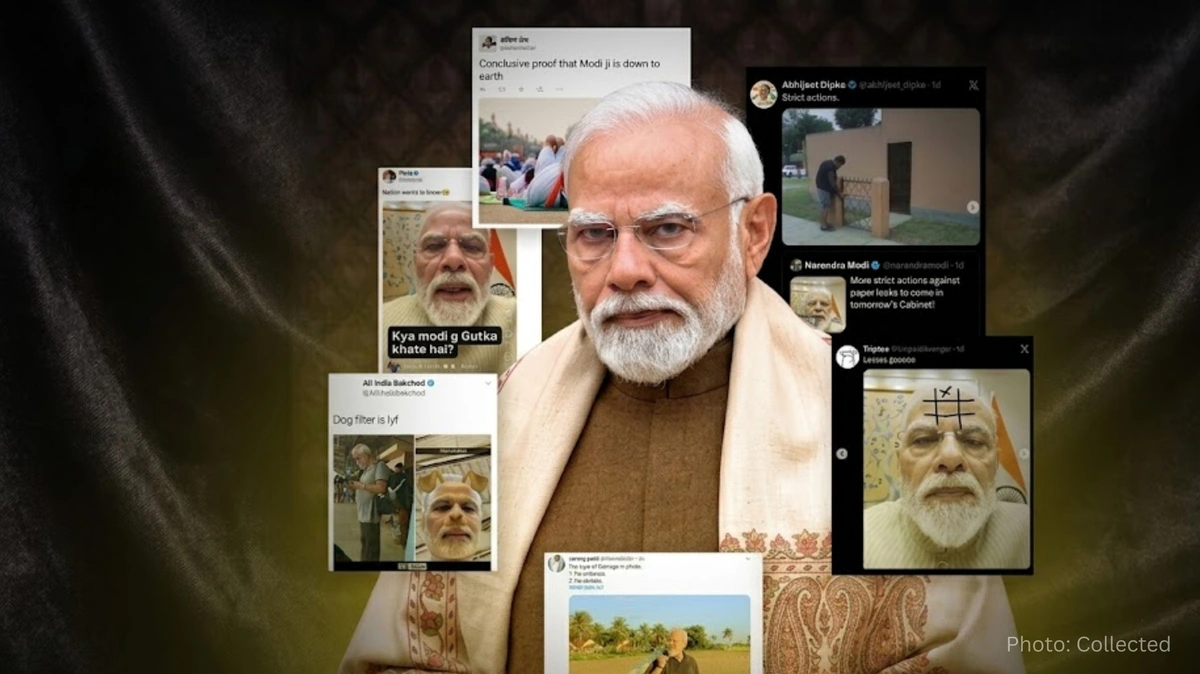
Delhi Police remove online content targeting Prime Minister Modi following the NEET protest movement, while the Cockroach Janta Party remains silent on the action.
Indian authorities have launched a crackdown on social media posts containing what they describe as "objectionable and abusive" content targeting Prime Minister Narendra Modi following weeks of nationwide student protests over the NEET medical entrance examination paper leak.
The move came a day after Education Minister Dharmendra Pradhan resigned amid mounting pressure from protesters. Delhi Police said notices had been sent to several social media platforms, directing them to remove posts, videos and comments deemed offensive.
According to police, most of the identified content has already been taken down. A dedicated monitoring team is continuing to track social media platforms for newly uploaded material and is requesting prompt action from companies whenever fresh posts are detected.
The protests, led by the Cockroach Janta Party (CJP), lasted for more than a month before being suspended on Saturday after the government agreed to several key demands, including the resignation of the education minister and assurances on additional reforms.
Despite calling off the demonstrations, the CJP later presented further demands, including compensation of 10 million rupees for the families of NEET aspirants who died by suicide, guarantees that no action would be taken against protesters, and a public apology from the Rapid Action Force (RAF) and police.
Speaking at a press conference in New Delhi, CJP chief spokesperson Saurabh Das said the movement had been suspended in good faith based on the government's commitment to implement the agreed measures within a specified timeframe.
The party also claimed the government had agreed to compensate affected families and withdraw First Information Reports (FIRs) filed against protesters across India. CJP leader Ashutosh Ranka said the agreement would protect peaceful demonstrators while allowing authorities to distinguish between genuine protesters and those accused of serious criminal offences.
He expressed confidence that written documentation of the agreement would be completed soon and reiterated that the party had consistently advocated peaceful demonstrations throughout the 37-day movement.
The CJP has not yet commented on Delhi Police's campaign to remove anti-Modi content from social media.
The nationwide protests began in May following allegations of question paper leaks in the NEET examination and gradually expanded into a broader movement demanding accountability and reforms in India's examination system.
The movement gained momentum after social activist Sonam Wangchuk joined the demonstrations on June 28. During the "Parliament March" held on July 20, clashes broke out between protesters and police after security forces used tear gas and baton charges to disperse crowds. Videos showing officers dragging and beating demonstrators circulated widely online, triggering renewed scrutiny of the police response and sparking widespread public debate over the handling of the protests.
Related News
You may like


Tom Holland Says Marvel Has a Plan for the Next Spider-Man
August 1, 2026
Elected News
-
Bangladesh Seeks UN Women Support on Digital Harassment and Women’s Empowerment
-
Bangladesh, Australia Discuss Human Trafficking, Irregular Migration and Rohingya Crisis
-
Bangladesh Plans Internet-Free Access to Mobile Banking and Financial Apps
-
DU to Open Undergraduate Admission Applications on 11 November, Tests Begin 5 December


