US shoots down 2 Iranian drones in Bahrain, CENTCOM says
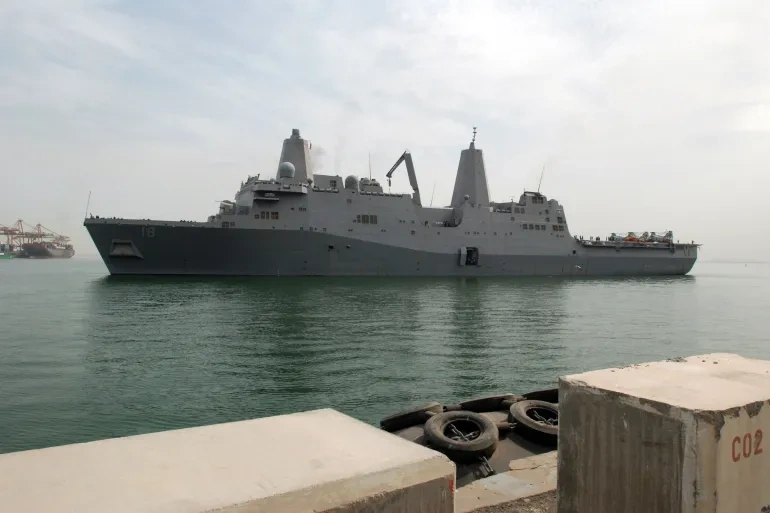
The US military says it intercepted two Iranian drones in Bahrain, while Iran claims it destroyed a US radar. The incident marks a significant escalation in the ongoing conflict.
The United States military’s Central Command (CENTCOM) announced on Friday that it had shot down two attack drones launched by Iran’s Islamic Revolutionary Guard Corps (IRGC) in the airspace of Bahrain. The command stated that the interception resulted in no injuries or damage to US personnel or facilities. Bahrain, a small Gulf state, hosts significant US military assets, including the headquarters of the US Navy’s Fifth Fleet, making it a strategic focal point in the region.
The incident follows a statement from the IRGC claiming it targeted a US early-warning radar installation in Bahrain. The IRGC described the strike as a direct retaliation for what it characterised as an air attack on a telecommunications tower in southern Iran. In a statement carried by the semi-official Tasnim news agency, the IRGC labelled the action a "serious warning" to the "aggressor enemy," urging it to cease what the group described as a series of aerial provocations and oil smuggling activities in the Strait of Hormuz.
Reporting from the White House in Washington, DC, Al Jazeera’s Alan Fisher noted that neither the US nor the Iranian claims could be independently confirmed at the time of his report. Fisher explained that while the IRGC maintains it successfully struck the radar, CENTCOM asserts that two one-way attack drones were shot down by US forces as they were heading towards Iran. The discrepancy in accounts highlights the challenges of verifying battlefield claims in a conflict where both sides control their respective narratives.
Al Jazeera’s Resul Serdar, reporting from Tehran, provided context on the pattern of recent exchanges. He stated that the US has attacked telecommunications networks at military sites in southern Iran "from time to time." Serdar observed that Iran had not previously responded by attacking US military assets in the region, making this incident a notable shift in tactics. He raised the question of whether Iran will continue to target US military assets in neighbouring countries, a move that could trigger another wave of war.
The IRGC’s claim of a successful strike came hours after Iran’s state news agency IRNA, citing official sources, reported that the port city of Sirik in Hormozgan province was hit by "enemy fire" on Thursday. This sequence of events suggests a rapid escalation in hostilities, with strikes and counter-strikes occurring within a 24-hour period. The IRGC-affiliated Fars news agency further claimed that the IRGC’s Aerospace Force had "targeted and destroyed" the radar installation in Bahrain, adding to the conflicting reports from the two sides.
According to the Reuters news agency, this is the first time since early September that Iran has claimed an attack on US military assets in a Gulf country. The IRGC’s statement included a warning that should violations and acts of aggression recur, the IRGC Aerospace Force stands in full readiness to engage without limits. This rhetoric underscores the group’s willingness to escalate the conflict if it perceives continued US aggression.
The development comes as Israel’s security cabinet has ordered the military to step up preparations for a possible attack on Iran, according to Israeli media, including the public broadcaster KAN. This move adds a further layer of tension to the ongoing regional conflict, suggesting that Israel is preparing for a potential expansion of hostilities. The coordination between US and Israeli military strategies has been a key feature of the conflict since its inception.
Iran’s security chief Mohsen Rezaei has issued a warning that if the US launches another war, every military base involved, anywhere from West Asia to Europe, would be a legitimate target for Iranian strikes. This warning underscores the potential for broader regional escalation, as Iran signals its ability and intent to strike US assets far beyond the immediate Middle East theatre. The threat of such widespread retaliation adds a significant dimension to the diplomatic and military calculations of all parties involved.
A Pentagon inspector general’s report released in September found that Iranian attacks damaged or destroyed hundreds of buildings at US installations in eight countries, including Bahrain, in the first four months of the war. Analysts say several US bases in the region have been rendered almost unusable due to the sustained attacks. This assessment highlights the significant impact of Iranian strikes on US military infrastructure and the challenges of maintaining operational readiness in the region.
US President Donald Trump has said he is prepared to return to war if the diplomatic track offered by Qatar fails to deliver a deal. This statement reflects the US administration’s willingness to resume military operations if diplomatic efforts stall. In contrast, US Secretary of State Marco Rubio has said economic pressure on Iran is working well enough that resuming large-scale military operations is unnecessary. The differing views within the US administration suggest a complex internal debate over the most effective strategy for managing the conflict.
In an exclusive interview with Al Jazeera on Wednesday, Iran’s parliament speaker and lead negotiator, Mohammad Bagher Ghalibaf, said the Strait of Hormuz would never go back to how it was before the war, and that "the ball is now in the American court." This comment indicates Iran’s confidence in its negotiating position and its belief that the US is under pressure to make concessions. The Strait of Hormuz is a critical chokepoint for global oil supplies, and its stability is of paramount importance to the international community.
Meanwhile, CENTCOM says its forces are still strictly enforcing the naval blockade on Iranian ports. This blockade is a key component of the US strategy to exert economic pressure on Iran and limit its ability to export oil. The enforcement of the blockade has been a source of tension, with Iran accusing the US of violating international law and engaging in economic warfare. The ongoing naval standoff in the Gulf region poses a significant risk of accidental escalation.
The war began on February 28 with US and Israeli attacks on Iran. Since then, the conflict has evolved into a complex mix of direct military strikes, cyber operations, and economic warfare. The current exchange of claims and counter-claims highlights the fragile nature of the ceasefire and the ongoing risks of further military confrontation in the region. The international community is closely monitoring the situation, with many countries calling for de-escalation and a return to diplomatic channels.
The incident in Bahrain marks a significant turning point in the conflict, as it represents the first direct Iranian attack on US military assets in a Gulf state since early September. This shift in tactics could have far-reaching implications for the balance of power in the region and the broader geopolitical landscape. The US and its allies are likely to respond with increased military vigilance and possibly further sanctions or diplomatic pressure on Iran.
The role of the Strait of Hormuz in this conflict cannot be overstated. As the world’s most important oil transit route, any disruption to shipping in the strait has global economic consequences. The IRGC’s claim of targeting US assets in the region, coupled with the US naval blockade, creates a high-risk environment for commercial shipping. Insurance premiums for vessels transiting the strait have already risen, and some shipping companies have begun to reroute their vessels to avoid the area.
The diplomatic efforts led by Qatar have been a key component of the US strategy to manage the conflict. Qatar has a long-standing relationship with Iran and has been able to maintain open channels of communication even during periods of heightened tension. The success of these diplomatic efforts will depend on the willingness of both the US and Iran to make concessions and find a mutually acceptable resolution to the crisis.
The internal dynamics within Iran also play a crucial role in the conflict. The IRGC, which is a powerful institution within the Iranian state, has been a key driver of the country’s military strategy. The leadership’s response to the recent incidents will be closely watched, as it will indicate whether Iran is prepared to escalate the conflict further or seek a diplomatic resolution. The balance of power between the IRGC and other factions within the Iranian government will be a key factor in determining the country’s next moves.
The US military’s response to the drone incident will be a critical test of its commitment to defending its assets in the region. CENTCOM’s statement that no injuries or damage were caused suggests that the US military was able to effectively intercept the threat. However, the incident highlights the challenges of defending against low-cost, high-volume drone attacks, which are increasingly being used by non-state actors and smaller militaries around the world.
The broader implications of this conflict extend beyond the immediate military confrontation. The economic impact of the war has been significant, with global oil prices fluctuating in response to developments in the region. The disruption to shipping in the Strait of Hormuz has also affected global supply chains, leading to higher costs for consumers and businesses around the world. The long-term economic consequences of the conflict will depend on the duration and intensity of the hostilities.
The international community is divided in its response to the conflict. Some countries have called for a ceasefire and a return to diplomatic negotiations, while others have expressed support for the US and its allies. The United Nations has called for restraint and a peaceful resolution to the crisis, but its ability to influence the parties involved is limited. The role of regional powers, such as Saudi Arabia and the United Arab Emirates, will be crucial in shaping the outcome of the conflict.
The incident in Bahrain serves as a reminder of the complex and volatile nature of the Middle East. The region is home to a number of powerful state and non-state actors, each with its own interests and objectives. The potential for miscalculation and escalation is high, and the consequences of a wider war would be devastating for the region and the world. The need for diplomatic engagement and conflict resolution has never been more urgent.
As the situation continues to evolve, the focus will be on the next moves by both the US and Iran. The US is likely to increase its military presence in the region and strengthen its defensive capabilities. Iran, on the other hand, may seek to demonstrate its resolve by carrying out further strikes or by increasing its support for proxy groups in the region. The diplomatic track, led by Qatar, will also be closely watched, as it offers a potential path to de-escalation and a lasting peace.
The conflict has also had a significant impact on the domestic politics of both the US and Iran. In the US, the war has become a major political issue, with debates over the use of military force and the effectiveness of economic sanctions. In Iran, the conflict has been used by the government to rally support and justify its policies. The political dynamics in both countries will play a key role in determining the future course of the conflict.
The role of technology in this conflict is also noteworthy. The use of drones, cyber weapons, and advanced missile systems has changed the nature of warfare in the region. The US and its allies have invested heavily in developing counter-drone technologies and cyber capabilities, while Iran has focused on developing its own drone and missile programmes. The technological race between the two sides is likely to continue, with significant implications for the future of military strategy in the region.
The humanitarian impact of the conflict has been significant, with civilians on both sides suffering from the effects of the war. The disruption to essential services, such as electricity and water, has made life difficult for many people. The psychological impact of living under the threat of attack is also significant, with many people experiencing anxiety and trauma. The international community has a responsibility to provide humanitarian assistance to those affected by the conflict.
The environmental impact of the conflict is another important consideration. The risk of oil spills in the Strait of Hormuz poses a significant threat to the marine environment. The use of military force in the region has also contributed to air pollution and other environmental problems. The long-term environmental consequences of the conflict will need to be addressed as part of any peace settlement.
In conclusion, the incident in Bahrain marks a significant escalation in the conflict between the US and Iran. The potential for further escalation is high, and the consequences of a wider war would be severe. The need for diplomatic engagement and conflict resolution is urgent, and the international community must work together to find a peaceful solution to this crisis. The future of the region, and indeed the world, depends on the ability of the parties involved to exercise restraint and seek a diplomatic resolution.
The coming days will be critical in determining the direction of the conflict. The US and Iran will both be under pressure to demonstrate their strength, but they will also be aware of the risks of further escalation. The diplomatic efforts led by Qatar will be a key factor in preventing a wider war. The international community must continue to support these efforts and call for a ceasefire and a return to negotiations.
The conflict has also highlighted the importance of multilateral cooperation in addressing global security challenges. The UN and other international organisations must play a more active role in mediating the conflict and promoting peace. The experience of this conflict should serve as a lesson for the international community, highlighting the dangers of unilateral action and the need for collective security.
As the war enters its next phase, the focus will be on the ability of the US and Iran to manage the conflict without allowing it to spiral out of control. The use of economic pressure, military force, and diplomacy will all play a role in shaping the outcome. The international community must remain vigilant and ready to respond to any developments that could lead to further escalation.
The incident in Bahrain is a reminder that the Middle East remains a region of great complexity and volatility. The interests of multiple actors, both regional and global, are at stake, and the potential for conflict is high. The need for a comprehensive and sustainable peace agreement has never been more urgent. The international community must work together to achieve this goal, for the sake of the people of the region and the stability of the world.
The role of the media in reporting on this conflict is also important. Accurate and balanced reporting is essential to prevent the spread of misinformation and to promote understanding of the complex issues involved. Journalists must remain committed to the principles of objectivity and impartiality, even in the face of pressure from all sides. The public has a right to know the truth, and the media has a responsibility to provide it.
The conflict has also raised important questions about the nature of modern warfare. The use of drones, cyber weapons, and other advanced technologies has changed the rules of engagement and the nature of military strategy. The US and its allies must adapt to these new realities, while also seeking to maintain a balance between deterrence and de-escalation. The development of new norms and rules of engagement for the use of these technologies will be a key challenge for the international community.
In the end, the resolution of this conflict will depend on the willingness of the parties involved to compromise and find a common ground. The US and Iran have a long history of tension and conflict, but they also share a common interest in stability and security. The path to peace will be difficult, but it is the only viable option. The international community must support this process and work to create the conditions for a lasting peace.
The incident in Bahrain is a stark reminder of the fragility of peace in the Middle East. The region is home to a number of powerful and often conflicting interests, and the potential for violence is always present. The need for diplomatic engagement and conflict resolution is urgent, and the international community must act now to prevent a wider war. The future of the region, and the world, depends on it.
Related News


You may like

Southeast Bank partners with Fair Technology for Hyundai car loans
November 13, 2026
Fed hosts AI forum as officials warn of job market disruptions
November 13, 2026

Bangladesh Bank launches Tk 15 billion fund for small loans
November 13, 2026
Bangladesh pushes for climate grants and technology at COP31
November 13, 2026
Elected News
-
Bangladesh Seeks UN Women Support on Digital Harassment and Women’s Empowerment
-

Bangladesh, Australia Discuss Human Trafficking, Irregular Migration and Rohingya Crisis
-

Bangladesh Plans Internet-Free Access to Mobile Banking and Financial Apps
-

DU to Open Undergraduate Admission Applications on 11 November, Tests Begin 5 December


