Myanmar Agrees to Repatriate 300,000 Rohingya from Bangladesh, 5,000 from Malaysia, Says Anwar Ibrahim
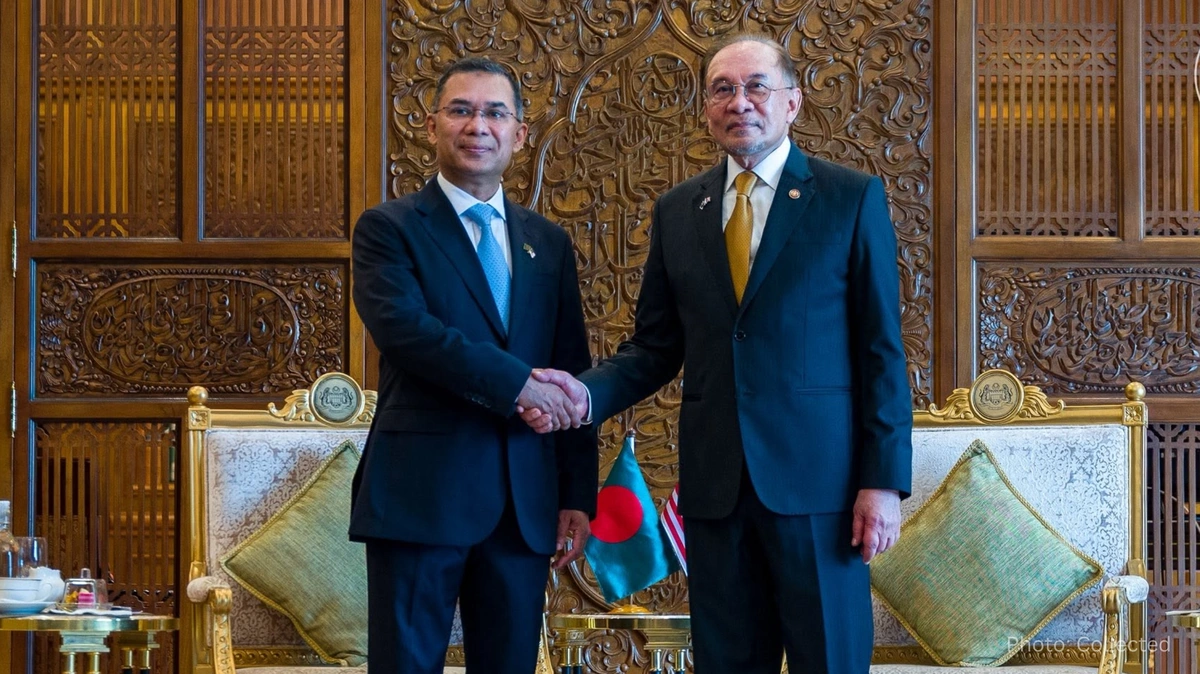
Malaysian Prime Minister Anwar Ibrahim says Myanmar has agreed to receive thousands of Rohingya refugees from Malaysia and hundreds of thousands from Bangladesh following diplomatic discussions, while stressing the need for refugees in Malaysia to comply with local laws.
Malaysia's Prime Minister Datuk Seri Anwar Ibrahim has announced that Myanmar has agreed to repatriate 5,000 Rohingya refugees currently living in Malaysia and an additional 300,000 Rohingya from refugee camps in Bangladesh, describing the development as a result of ongoing diplomatic engagement between the two countries.
Speaking at a public meeting with local residents in Chennah on Wednesday, Anwar said the agreement followed discussions with Myanmar's military-led government and reflected the importance of maintaining constructive diplomatic relations despite regional challenges.
According to the Malaysian leader, the understanding marks progress in efforts to address one of Southeast Asia's most complex humanitarian crises. He said the repatriation commitments demonstrate that continued dialogue can produce practical outcomes even on sensitive issues involving displaced populations.
Anwar emphasized that maintaining communication with Myanmar remains essential for resolving the prolonged Rohingya refugee crisis. He noted that previous attempts to facilitate returns had stalled because Myanmar had been unwilling to receive the refugees.
"For many years, people demanded that the Rohingya be sent back, but the question was where they could be returned because Myanmar was not prepared to take them," he said. "Following our discussions, Myanmar has now agreed to receive 5,000 Rohingya from Malaysia and 300,000 from Bangladesh."
He added that delicate diplomatic negotiations had played a key role in reaching the latest understanding, saying such issues require careful engagement rather than confrontation.
The Prime Minister also addressed concerns surrounding the presence of Rohingya refugees in Malaysia, stressing that public order and national security remain priorities for his government.
Anwar said he had instructed the country's Inspector-General of Police to take firm action against anyone found disrupting public order or violating Malaysian law. He warned that demonstrations or activities causing inconvenience to the public would not be tolerated.
"I have already warned them," he said, referring to the Rohingya community. "Malaysia cannot allow disorder on its streets or in public places. The police have been instructed to take the necessary action whenever required."
He further urged Rohingya refugees living in Malaysia to respect local laws, avoid interfering with businesses and ensure they do not disrupt traffic or residential areas.
According to Anwar, refugees should cooperate with local authorities and contribute to maintaining harmony while they remain in the country. He cautioned that any actions creating tension with local communities could generate public resentment and complicate humanitarian efforts.
"This is Malaysia, and everyone living here must respect the country's laws and its people," he said. "No one should create unrest or cause hardship for others."
The Rohingya crisis has remained a major regional issue since hundreds of thousands of members of the Muslim minority fled Myanmar to escape violence, with Bangladesh hosting the world's largest refugee population in Cox's Bazar. Malaysia has also become one of the primary destinations for Rohingya refugees seeking safety and employment opportunities.
While Anwar's announcement signals a potential breakthrough in regional discussions, no detailed timeline or implementation framework for the proposed repatriation process has yet been publicly disclosed.
The development is expected to attract close attention from Bangladesh, humanitarian organizations and international observers, who have consistently emphasized that any repatriation of Rohingya refugees should be voluntary, safe, dignified and carried out in accordance with international standards.
Related News


You may like




Tom Holland Says Marvel Has a Plan for the Next Spider-Man
August 1, 2026
Elected News
-
Bangladesh Seeks UN Women Support on Digital Harassment and Women’s Empowerment
-
Bangladesh, Australia Discuss Human Trafficking, Irregular Migration and Rohingya Crisis
-
Bangladesh Plans Internet-Free Access to Mobile Banking and Financial Apps
-
DU to Open Undergraduate Admission Applications on 11 November, Tests Begin 5 December


