Nearly 6,000 Seafarers Stranded in Strait of Hormuz Amid Escalating Iran-US Conflict
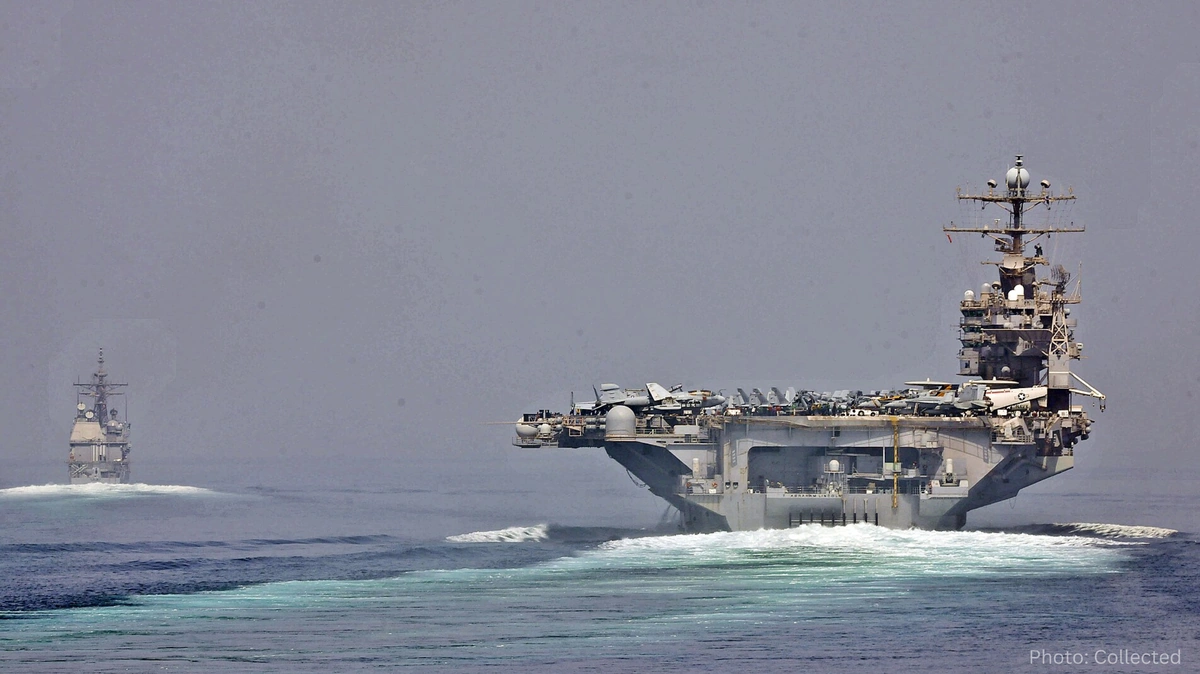
The International Maritime Organization has called for maximum restraint after renewed military exchanges between Iran and the United States left thousands of seafarers stranded in the Persian Gulf, raising concerns over maritime safety and global shipping.
The International Maritime Organization (IMO) has urged all parties to exercise maximum restraint after renewed hostilities between Iran and the United States disrupted maritime traffic in the Persian Gulf, leaving nearly 6,000 seafarers stranded aboard vessels unable to safely transit the Strait of Hormuz.
In a statement issued on Wednesday, IMO Secretary-General Arsenio Dominguez expressed deep concern over the deteriorating security situation and its impact on commercial shipping and maritime personnel operating in one of the world's busiest energy transit routes.
According to the IMO, the escalation has intensified fear, uncertainty and psychological stress among thousands of seafarers who remain aboard vessels unable to depart the Persian Gulf safely because of the ongoing security risks.
"The recent attacks have further increased the fear, uncertainty and emotional strain faced by approximately 6,000 seafarers stranded on ships that are unable to leave the Persian Gulf safely," Dominguez said.
The renewed crisis follows another round of military exchanges between Tehran and Washington. Tensions escalated after attacks involving vessels in the strategically important Strait of Hormuz, prompting fresh military action by both sides.
US President Donald Trump said on Wednesday that the ceasefire between the United States and Iran had effectively ended, although he indicated that diplomatic channels remained open. Shortly afterward, the United States carried out military strikes inside Iran, which were followed by retaliatory attacks from Tehran, further escalating the conflict.
The Strait of Hormuz has remained at the center of the regional confrontation, serving as one of the world's most strategically significant maritime corridors. A substantial portion of global crude oil and liquefied natural gas exports pass through the narrow waterway, making any disruption a matter of international concern for energy markets and commercial shipping.
Iran has maintained its position regarding control over navigation through the waterway, stating that vessels transiting the strait must comply with its regulations. Iranian authorities have also warned of possible action against ships that deviate from designated routes, heightening concerns among shipping companies and international maritime organizations.
Dominguez strongly condemned the recent attacks on commercial vessels operating in and around the Strait of Hormuz, describing the safety of civilian seafarers as a priority that must be protected regardless of the broader geopolitical situation.
He emphasized that innocent maritime workers should not bear the consequences of military confrontation and warned that continued attacks pose serious risks to both human life and the stability of global shipping operations.
The IMO chief called on all parties involved in the conflict to immediately reduce tensions, avoid further escalation and facilitate the safe passage of vessels that have remained stranded in the Gulf since the crisis intensified.
Maritime security analysts note that prolonged disruption in the Strait of Hormuz could affect international supply chains, increase shipping costs and create additional pressure on global energy markets. Commercial shipping operators are also closely monitoring the situation while assessing potential risks to crews and cargo.
International shipping organizations have continued to urge governments to protect freedom of navigation and ensure the safety of civilian vessels operating in the region. Industry representatives say maintaining secure maritime routes is essential for global trade and economic stability.
As diplomatic efforts continue alongside military developments, the humanitarian situation facing thousands of stranded seafarers remains an immediate concern. International maritime authorities have reiterated their appeal for de-escalation and safe navigation to prevent further risks to civilian crews and commercial shipping in one of the world's most critical waterways.
Related News





You may like




Tom Holland Says Marvel Has a Plan for the Next Spider-Man
August 1, 2026
Elected News
-
Bangladesh Seeks UN Women Support on Digital Harassment and Women’s Empowerment
-
Bangladesh, Australia Discuss Human Trafficking, Irregular Migration and Rohingya Crisis
-
Bangladesh Plans Internet-Free Access to Mobile Banking and Financial Apps
-
DU to Open Undergraduate Admission Applications on 11 November, Tests Begin 5 December


