Trump Hosts Netanyahu at White House Despite Growing Political Backlash Over Iran War
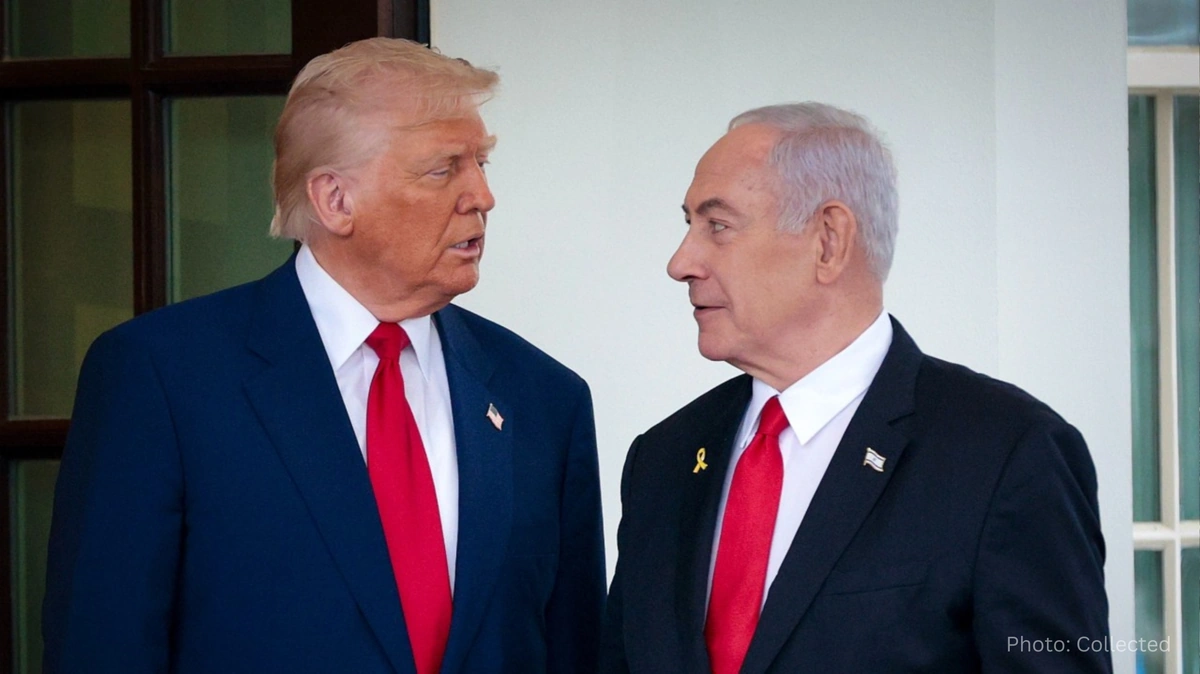
The US president's seventh White House meeting with the Israeli premier comes as Washington explores renewed diplomacy with Iran amid rising domestic criticism.
US President Donald Trump is set to host Israeli Prime Minister Benjamin Netanyahu at the White House on Tuesday, marking their seventh meeting during Trump's second term and their first face-to-face talks since the United States and Israel launched military operations against Iran earlier this year.
The high-profile meeting comes at a politically sensitive time, with growing public criticism of the conflict in Iran and increasing concern within sections of Trump's Republican Party over Washington's continued support for Israel.
Netanyahu was already scheduled to visit Washington to attend the funeral of Senator Lindsey Graham, one of Israel's strongest supporters in the US Congress. His meeting with Trump, however, is expected to focus on regional security, the Iran conflict and broader US-Israel strategic cooperation.
Political analysts say the visit carries significant domestic political risks for Trump. Recent opinion polls indicate that support for US policy toward Israel has weakened, including among some conservative and MAGA voters who question the financial and strategic costs of the conflict with Iran.
Many observers believe the meeting could become a campaign issue ahead of the upcoming US midterm elections, particularly as criticism grows over the perception that the United States became more deeply involved in the regional conflict due to Israeli interests.
Despite the political challenges, the Trump administration has recently signalled a renewed push for diplomacy with Iran. On Monday, Trump confirmed that Washington is pursuing fresh diplomatic efforts following the suspension of hostilities after weeks of military escalation.
The current pause in fighting follows the collapse of an earlier ceasefire framework that had temporarily reduced tensions before renewed violence erupted. Although military operations have largely halted for several days, uncertainty remains over the future of the conflict.
Netanyahu's government has consistently opposed diplomatic arrangements that it believes allow Iran to maintain influence without making meaningful concessions. Israeli leaders continue to advocate a tougher approach toward Tehran's nuclear programme and have called for stronger international pressure on the Iranian government.
Differences in strategy between Washington and Tel Aviv have become more visible in recent weeks. While the Trump administration has increasingly sought diplomatic avenues to prevent further escalation, Israeli officials have maintained a more hardline position on Iran and regional security.
Those differences were highlighted earlier this year when Israeli military actions in Lebanon drew rare public criticism from both President Trump and Vice President JD Vance, who urged Israeli leaders to avoid undermining ongoing US diplomatic efforts.
Officials from both governments are expected to discuss the future of the Iran conflict, regional stability, military cooperation and broader Middle East security during Tuesday's talks.
The meeting is likely to attract close international attention as both leaders attempt to balance military objectives, diplomatic negotiations and growing political pressure at home.
Related News




You may like




Tom Holland Says Marvel Has a Plan for the Next Spider-Man
August 1, 2026
Elected News
-
Bangladesh Seeks UN Women Support on Digital Harassment and Women’s Empowerment
-
Bangladesh, Australia Discuss Human Trafficking, Irregular Migration and Rohingya Crisis
-
Bangladesh Plans Internet-Free Access to Mobile Banking and Financial Apps
-
DU to Open Undergraduate Admission Applications on 11 November, Tests Begin 5 December


