Ukraine Targets Mid-2027 Prototype for European Missile Defence System Under Freyja Initiative
Kyiv is accelerating development of the Freyja missile defence project with European partners, aiming to deliver a working prototype by mid-2027 as Russia intensifies ballistic missile attacks across Ukraine.
Ukraine is aiming to complete a working prototype of a new European missile defence system by the first half of 2027 as Kyiv works with its allies to develop an alternative capable of intercepting Russian ballistic missiles.
The project, codenamed Freyja, is being developed through a multinational defence initiative involving European governments and leading defence manufacturers. Ukrainian officials say the programme is intended to reduce reliance on existing missile defence systems while strengthening Europe's long-term air defence capabilities.
Davyd Aloian, Deputy Secretary of Ukraine's National Security and Defence Council and the official overseeing the Freyja initiative, said planners have set an ambitious target of producing a minimum viable prototype within the first six months of next year.
According to Aloian, the initial version will be designed to demonstrate practical operational capabilities rather than serve as a fully deployed defence system.
An international steering committee responsible for assessing research, development and funding requirements is expected to hold its first formal meeting in the coming weeks as work on the project gathers momentum.
The Freyja programme was officially launched earlier this month during a defence summit in Paris attended by leaders from ten European countries, including Ukrainian President Volodymyr Zelenskyy, alongside representatives from numerous defence companies.
The initiative comes as Ukraine continues to face frequent Russian ballistic missile attacks, particularly targeting the capital Kyiv and the southern port city of Odesa.
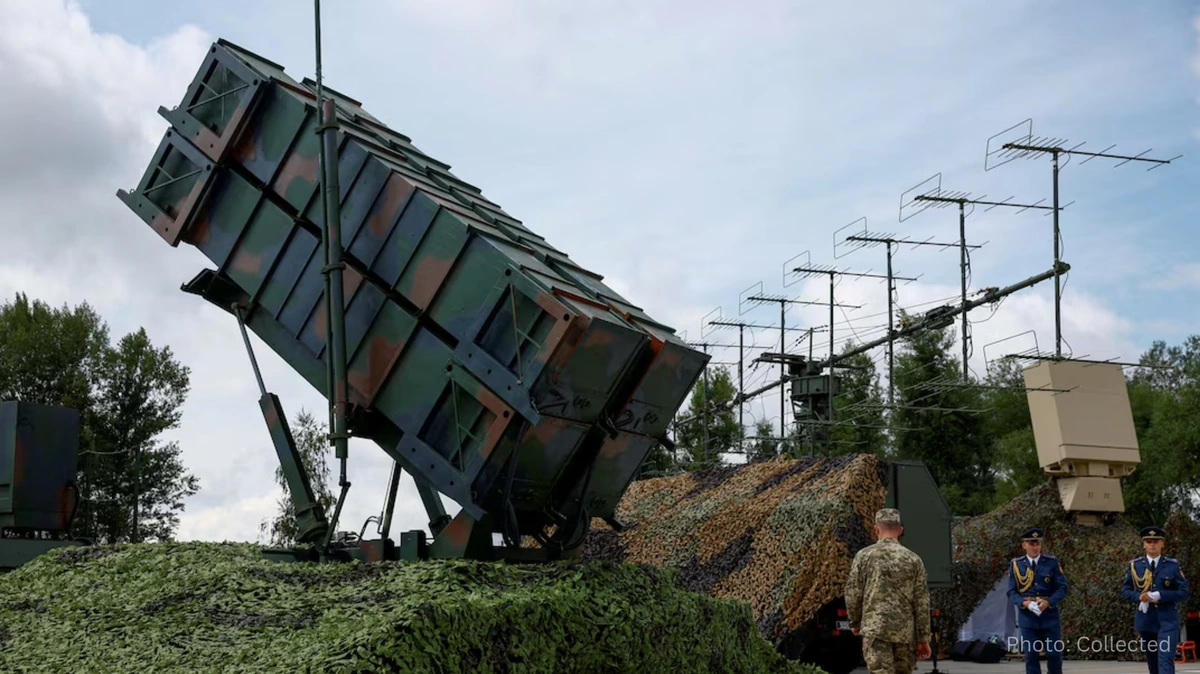
Ukraine currently relies heavily on the US-made Patriot air defence system, which remains the only interceptor in its arsenal with a proven record of reliably destroying high-speed ballistic missiles.
However, Patriot supplies have been constrained by production limitations, political uncertainty and growing international demand, leaving Ukraine with shortages of interceptor missiles during periods of intensified Russian attacks.
Officials say the recent increase in missile strikes has highlighted the need for Europe to develop additional interception capabilities that can be produced more quickly and in greater numbers.
Ukraine has offered to contribute several key components to the Freyja programme, including a missile launcher and an interceptor missile already under development. President Zelenskyy has previously described the interceptor as being in its testing phase and expressed confidence that the broader system could become operational within a year after successful development.
European partners are expected to provide complementary technologies, including advanced radar systems, sensors, missile guidance technologies and sophisticated electronic control systems.
Among the defence companies participating in the initiative are Eurosam, the manufacturer of the SAMP/T air defence system, along with Leonardo, Thales and Saab.
Ukrainian missile and drone manufacturer Fire Point has been selected as the project's principal industrial partner. The company previously announced an agreement with German defence technology firm Hensoldt to supply radar systems for the Freyja programme.
Unlike existing integrated missile defence platforms, Freyja is being designed around an open architecture concept that would allow participating countries to customise the system using domestically produced components.
Aloian explained that nations joining the programme would have the flexibility to integrate their own radar technologies and supporting equipment without requiring a completely standardised configuration.
Under the proposed model, countries could combine locally manufactured sensors and electronic systems with the common missile defence framework while maintaining interoperability across the coalition.
Officials believe this modular approach will make the system more affordable, easier to upgrade and more attractive to European governments seeking to strengthen their national air defence capabilities.
The project also aims to provide a lower-cost alternative to the Patriot system, while complementing existing European platforms such as SAMP/T and IRIS-T, neither of which has yet demonstrated the same level of effectiveness against ballistic missile threats.
To ensure stable financing, participants are considering establishing a dedicated funding mechanism that would coordinate financial contributions from governments and industry partners. Ukrainian officials believe involving private defence companies directly in the programme could streamline procurement, accelerate technological development and reduce administrative delays.
As Russia's missile campaign continues, Ukrainian authorities view Freyja as both an urgent wartime requirement and a long-term European security project that could reshape the continent's future missile defence architecture.
Related News




You may like




Tom Holland Says Marvel Has a Plan for the Next Spider-Man
August 1, 2026
Elected News
-
Bangladesh Seeks UN Women Support on Digital Harassment and Women’s Empowerment
-
Bangladesh, Australia Discuss Human Trafficking, Irregular Migration and Rohingya Crisis
-
Bangladesh Plans Internet-Free Access to Mobile Banking and Financial Apps
-
DU to Open Undergraduate Admission Applications on 11 November, Tests Begin 5 December


