U.S. Diplomat Leaks Audio Revealing Outreach to Jamaat-e-Islami Ahead of Bangladesh Election
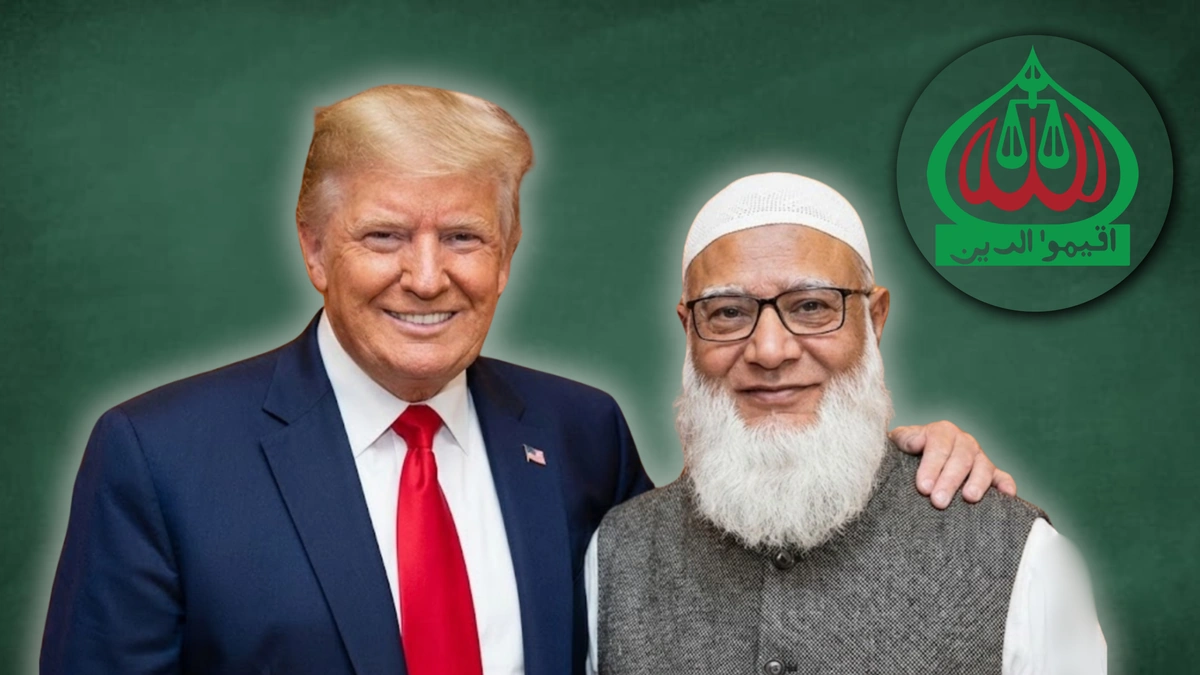
Strategic Shift in U.S. Diplomacy Raises Concerns Over Relations with India
Leaked audio recordings have revealed that a U.S. diplomat in Dhaka is actively seeking to engage with the Islamist political party Jamaat-e-Islami ahead of Bangladesh's high-stakes national elections on February 12. The recordings, cited by The Washington Post, show the diplomat's attempt to open dialogue with the resurgent party, despite its controversial history and previous bans.
In the audio, the diplomat expressed a desire for "friendship" with Jamaat-e-Islami, framing it as a necessary diplomatic move to maintain leverage in Bangladesh. While acknowledging the party's past actions, the diplomat downplayed concerns about Jamaat-e-Islami's potential push for Sharia law in the country, stating, "I simply do not believe that Jamaat can impose sharia." The diplomat further assured that the United States had sufficient leverage to counter any extreme measures, referencing the possibility of imposing "100 percent tariffs" on the group if it moved towards any actions that raised alarm.
This outreach to a party that many in Bangladesh and abroad view with suspicion has raised eyebrows among analysts, who warn that it signals a significant shift in U.S. foreign policy towards the region. The move could have a substantial impact on U.S.-India relations, as India considers Jamaat-e-Islami an "unlawful group" due to its radical positions and association with past political violence. The U.S. diplomat’s stance contrasts with India’s longstanding position against the party, which it sees as a threat to Bangladesh's secular foundations.
The outreach, coming at a critical juncture in Bangladesh's electoral process, adds another layer of complexity to the already tense geopolitics surrounding the country's democratic future. As the February 12 election approaches, Jamaat-e-Islami's participation in the political process and its potential rise to power are set to be key factors influencing not just Bangladesh's internal dynamics, but its relationships with both the U.S. and its neighbors in the region.
Related News
You may like




Tom Holland Says Marvel Has a Plan for the Next Spider-Man
August 1, 2026
Elected News
-

Bangladesh Seeks UN Women Support on Digital Harassment and Women’s Empowerment
-

Bangladesh, Australia Discuss Human Trafficking, Irregular Migration and Rohingya Crisis
-

Bangladesh Plans Internet-Free Access to Mobile Banking and Financial Apps
-

DU to Open Undergraduate Admission Applications on 11 November, Tests Begin 5 December


