US Edges Toward Historic Net Oil Exporter Status Amid Iran War Disruptions
The Chronify
Surging global demand and Middle East supply shocks push American crude exports to near-record levels, testing capacity limits.
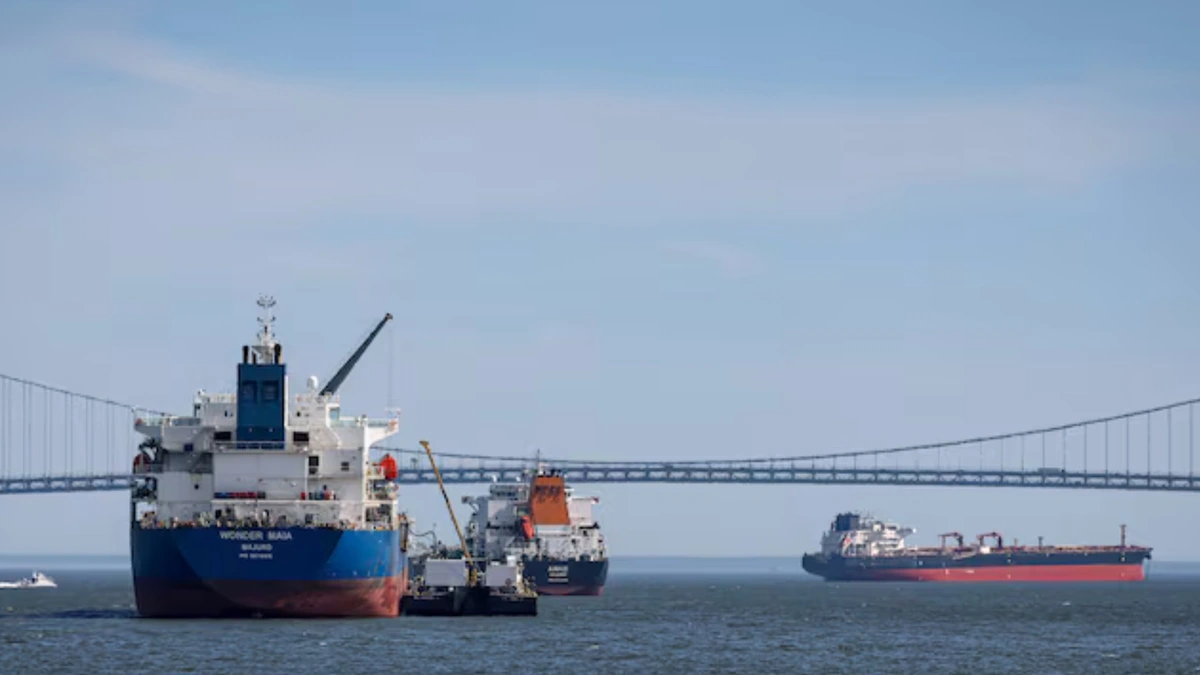
The United States is on the verge of becoming a net crude oil exporter for the first time since World War II, as global energy markets continue to reel from disruptions caused by the ongoing Iran conflict. A sharp decline in Middle Eastern oil flows, particularly through the strategically vital Strait of Hormuz, has forced major buyers in Europe and Asia to seek alternative sources, significantly boosting demand for US crude.
Recent data shows US oil exports climbed to approximately 5.2 million barrels per day last week, marking a seven-month high. At the same time, net imports dropped to a historic low, narrowing to just 66,000 barrels per day the smallest gap recorded in over two decades. Analysts say this shift underscores a major transformation in the global energy landscape, with the US emerging as a critical supplier during times of crisis.
The disruption, triggered by tensions involving Iran and Israel, has removed a significant portion of oil and gas supply from global circulation. In response, refiners across Europe and Asia have turned aggressively toward US exports, taking advantage of favorable price differences between Brent crude and West Texas Intermediate.
Despite the surge, industry experts caution that the US is approaching its export ceiling. Infrastructure constraints, including limited pipeline capacity and tanker availability, could restrict further growth. Current estimates suggest the country’s maximum export capability stands at around 6 million barrels per day, leaving little room for expansion without significant logistical investment.
Meanwhile, rising global oil prices have made US crude increasingly attractive. Benchmark prices in some regions have surged to near-record levels, reflecting the strain on supply chains. Analysts warn that if geopolitical tensions persist, energy markets could face prolonged volatility, with ripple effects on global trade and economic stability.
As the situation evolves, the US energy sector finds itself at a critical juncture balancing record-breaking export opportunities against operational limitations in an increasingly uncertain geopolitical climate.
Related News





📚 Categories
You may like