Bangladesh Holds Record Fuel Reserves, Says State Minister
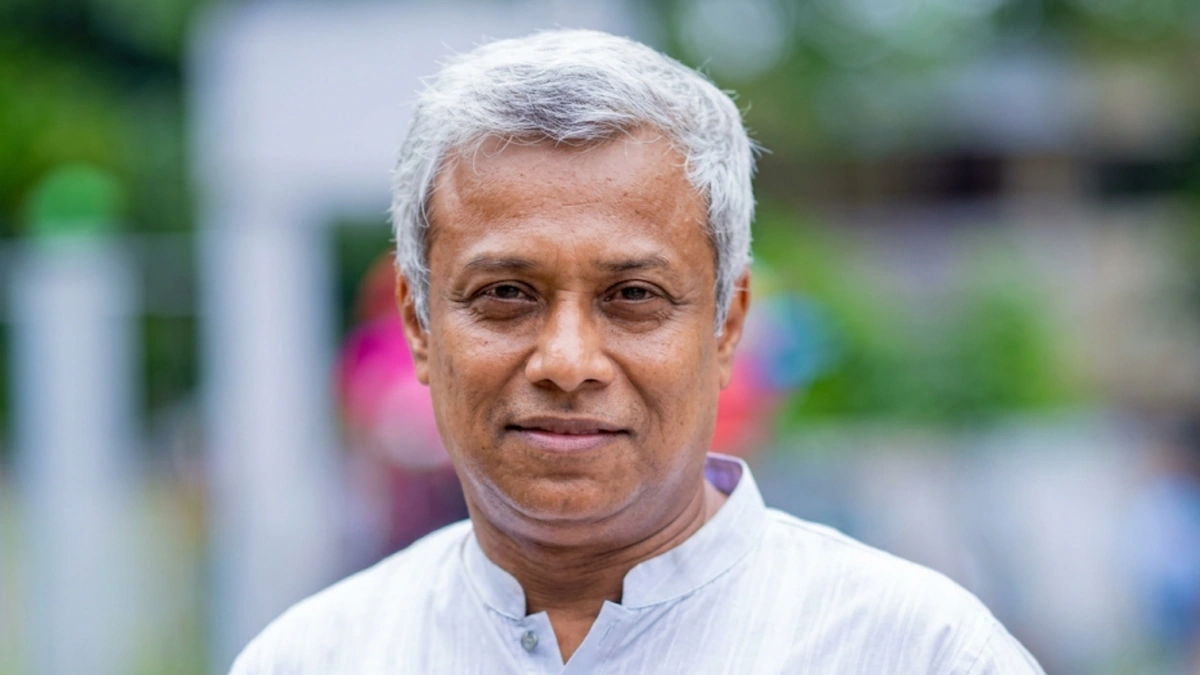
State Minister for Power, Energy and Mineral Resources Anindya Islam Amit says Bangladesh currently has its highest-ever fuel reserves, with sufficient stock secured for upcoming months amid rising demand.
Bangladesh currently has the highest level of fuel reserves in its history, according to Anindya Islam Amit, State Minister for Power, Energy and Mineral Resources.
Speaking to journalists after visiting Eastern Refinery Limited on Friday, the minister said the country has sufficient fuel stock to meet demand for April and May, with efforts underway to ensure adequate reserves for June as well.
He emphasized that the government is working continuously to maintain an uninterrupted energy supply, particularly as demand rises amid global uncertainties.
The minister also noted that Bangladesh is exploring alternative sources to import both refined and crude fuel, aiming to strengthen supply chains and reduce dependency on traditional routes.
He added that steps are being taken to increase the supply of refined fuel, including initiatives to import crude oil from countries such as Malaysia for processing at domestic facilities.
According to officials, fuel management strategies are currently prioritizing key sectors such as agriculture and industry to ensure stability in production and economic activities.
Earlier, a spokesperson from the Energy Ministry stated that existing reserves of octane and petrol would be sufficient for at least two months. Current stock levels include over 113,000 tonnes of diesel, more than 31,000 tonnes of octane, around 18,000 tonnes of petrol, and approximately 77,000 tonnes of furnace oil.
Fuel demand in Bangladesh has surged following the onset of conflict in the Middle East, triggering public concern and increased activity at fuel stations nationwide. Sales of petrol and octane nearly doubled in early March, prompting temporary rationing measures by the government.
Although rationing has since been lifted, authorities are maintaining controlled supply levels aligned with previous consumption patterns to prevent shortages and stabilize the market.
Related News

You may like




Tom Holland Says Marvel Has a Plan for the Next Spider-Man
August 1, 2026
Elected News
-
Bangladesh Seeks UN Women Support on Digital Harassment and Women’s Empowerment
-
Bangladesh, Australia Discuss Human Trafficking, Irregular Migration and Rohingya Crisis
-
Bangladesh Plans Internet-Free Access to Mobile Banking and Financial Apps
-
DU to Open Undergraduate Admission Applications on 11 November, Tests Begin 5 December


