Wildfires Devastate Southwest Europe as France and Spain Battle Unprecedented Blazes
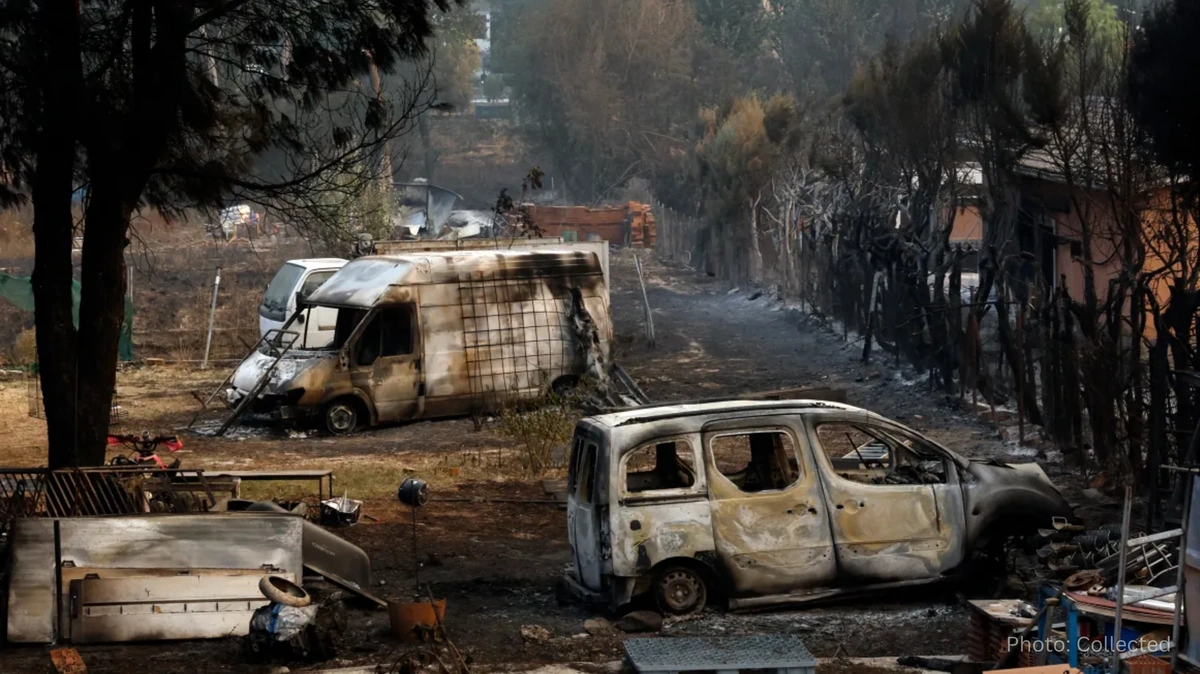
More than 325,000 people have been forced to evacuate across France and Spain as record-breaking wildfires, intensified by extreme heat and prolonged drought, overwhelm emergency services and reignite concerns over Europe's growing climate crisis.
Southwestern Europe is facing one of its most severe wildfire emergencies in decades, with France and Spain struggling to contain fast-moving blazes that have forced more than 325,000 residents to flee their homes. Fueled by prolonged heatwaves, drought, and strong winds, the fires have scorched vast areas of land, disrupted transport networks, and placed enormous pressure on emergency response teams.
France has been among the hardest-hit countries, where authorities describe the ongoing disaster as one of the worst wildfire crises since the Second World War. According to the French Interior Ministry, approximately 115,000 hectares of land have burned nationwide since the beginning of the year. The southwestern Gironde region, home to forests, vineyards, and popular tourist destinations, has suffered the greatest destruction.
Around 220,000 people have been evacuated from communities across southwestern France, including thousands living near Bordeaux and the Cap Ferret peninsula. The fires have advanced dangerously close to residential areas, prompting authorities to issue travel warnings and maintain large-scale evacuation operations.
French Interior Minister Laurent Nunez warned that the situation remains highly unfavorable, noting that the fires continue to spread under difficult weather conditions. Bordeaux Mayor Thomas Cazenave confirmed that emergency authorities remain on high alert as flames approach the outskirts of the metropolitan area, though no evacuation order has yet been issued for the city itself.
Spain is also battling multiple major wildfires across several regions, with approximately 75,000 people evacuated and another 30,000 instructed to remain indoors for safety. The fires have affected Andalusia, Madrid, Valencia, and other parts of the country, consuming extensive forestland and agricultural areas.
In eastern Spain's Castellon province, one of the largest active fires has burned through thousands of hectares, including sections of the Sierra de Espadan Natural Park, an environmentally significant area known for its pine forests and cork oak trees. Regional officials described the blaze as extremely difficult to control because of persistent high temperatures, dry vegetation, and shifting winds.
Since the beginning of the year, more than 150,000 hectares have reportedly burned across Spain. Government officials say the scale and intensity of the fires far exceed those experienced during the same period last year, highlighting the increasing challenge posed by extreme weather conditions.
Emergency responders from both countries have deployed thousands of firefighters, aircraft, helicopters, and military personnel to battle the flames. However, officials acknowledge that available resources are being stretched to their limits as multiple large fires burn simultaneously.
The European Union has activated its Civil Protection Mechanism to coordinate international assistance. Several member states have dispatched firefighting aircraft and specialized emergency teams to support operations in the affected regions, while additional aerial resources are expected to arrive from partner countries.
Scientists say the severity of the current fires has been amplified by record-breaking temperatures experienced across Europe during recent weeks. In some locations, rare pyrocumulonimbus clouds towering thunderstorm-like clouds generated by intense wildfire heat have developed above active fire zones. These formations can produce strong winds, lightning, and airborne embers that ignite new fires, making suppression efforts significantly more difficult.
Meteorologists and climate researchers warn that prolonged drought, unusually high temperatures, and increasingly frequent heatwaves have created ideal conditions for large-scale wildfires. Europe has become the fastest-warming continent globally, with temperatures rising at roughly twice the global average over recent decades.
Environmental experts note that climate change is not the sole cause of wildfires but acts as a powerful force that intensifies their frequency, speed, and destructive potential. Combined with expanding urban development near forests and changing land-use patterns, these conditions have increased wildfire risks across southern Europe.
Beyond the immediate danger to human life, the fires are causing extensive environmental and economic damage. Forest ecosystems, wildlife habitats, vineyards, agricultural land, and tourism infrastructure have suffered significant losses, while thousands of residents remain displaced as firefighters continue efforts to protect homes and critical infrastructure.
Authorities in both France and Spain have urged residents to follow evacuation orders and avoid affected regions as emergency crews continue working around the clock. With forecasts indicating continued hot and dry weather in the coming days, officials warn that the wildfire threat remains extremely high, and further evacuations may become necessary if conditions deteriorate.
The unfolding disaster has once again underscored the growing challenge that climate-driven extreme weather poses across Europe, reinforcing calls for stronger climate adaptation measures, improved forest management, and greater international cooperation in wildfire prevention and emergency response.
Related News





You may like




Tom Holland Says Marvel Has a Plan for the Next Spider-Man
August 1, 2026
Elected News
-
Bangladesh Seeks UN Women Support on Digital Harassment and Women’s Empowerment
-
Bangladesh, Australia Discuss Human Trafficking, Irregular Migration and Rohingya Crisis
-
Bangladesh Plans Internet-Free Access to Mobile Banking and Financial Apps
-
DU to Open Undergraduate Admission Applications on 11 November, Tests Begin 5 December


