Bangladesh Enters Nuclear Power Era as Fuel Loading Begins at Rooppur Plant
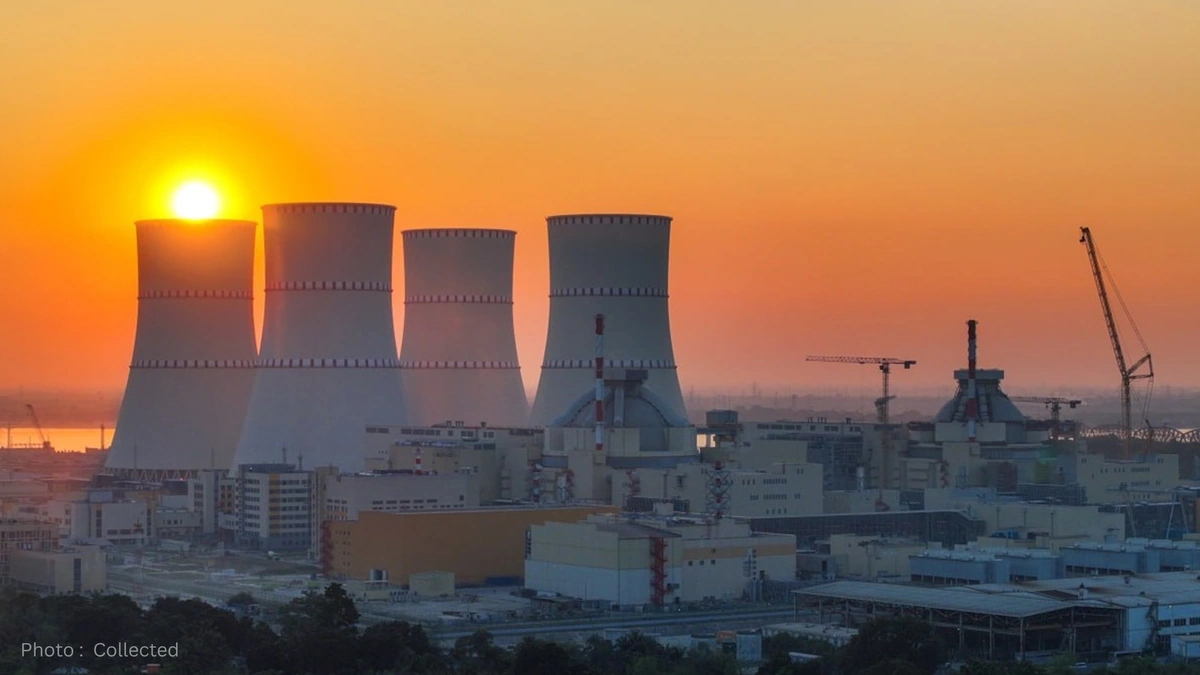
Country becomes 33rd nation to produce nuclear electricity, first unit expected to supply power to national grid soon
Bangladesh has officially entered the nuclear power generation era as fuel loading has begun at the first unit of the Rooppur Nuclear Power Plant (RNPP), marking a major milestone in the country’s energy sector. With this development, Bangladesh becomes the 33rd country in the world to produce nuclear electricity.
The fuel loading process represents the final critical stage before the plant moves toward electricity generation. However, officials say it will take some time before power is supplied to the national grid. The Ministry of Science and Technology has indicated that grid connectivity is expected between late July and early August. Initially, the first unit is expected to deliver around 300 megawatts of electricity.
Science and Technology Minister Fokir Mahbub Anam stated that commercial production from the first unit is expected by August next year. He added that the 1,200-megawatt reactor could eventually supply up to 1,100 megawatts to the national grid in the initial phase of full operation.
Rosatom Director General Alexey Likhachev, present during the milestone event, said Bangladesh has now joined the group of countries using peaceful nuclear energy as a reliable source of sustainable development. He emphasized that the Rooppur project will become a key pillar of the country’s energy system and strengthen international cooperation in nuclear technology.
Located on the banks of the Padma River in Pabna’s Ishwardi, construction of the Rooppur project began in 2017 for the first unit and in 2018 for the second. Once both units are fully operational, the plant will contribute 2,400 megawatts to the national grid, covering an estimated 12% of Bangladesh’s total electricity demand.
Officials expect gradual production increases in the coming months, with full capacity from the first unit targeted by the end of December. The second unit’s fuel loading is also scheduled to begin later this year. The plant has an initial operational lifespan of 60 years, with the possibility of extension for another 20 to 30 years.
International Atomic Energy Agency (IAEA) experts had earlier conducted a safety review of the project, confirming compliance with international standards ahead of this historic phase.
Related News




You may like




Tom Holland Says Marvel Has a Plan for the Next Spider-Man
August 1, 2026
Elected News
-
Bangladesh Seeks UN Women Support on Digital Harassment and Women’s Empowerment
-
Bangladesh, Australia Discuss Human Trafficking, Irregular Migration and Rohingya Crisis
-
Bangladesh Plans Internet-Free Access to Mobile Banking and Financial Apps
-
DU to Open Undergraduate Admission Applications on 11 November, Tests Begin 5 December


