Bangladesh Moves to Finalize Deal for 24 Advanced Chinese Fighter Jets Amid Expanding Strategic Ties
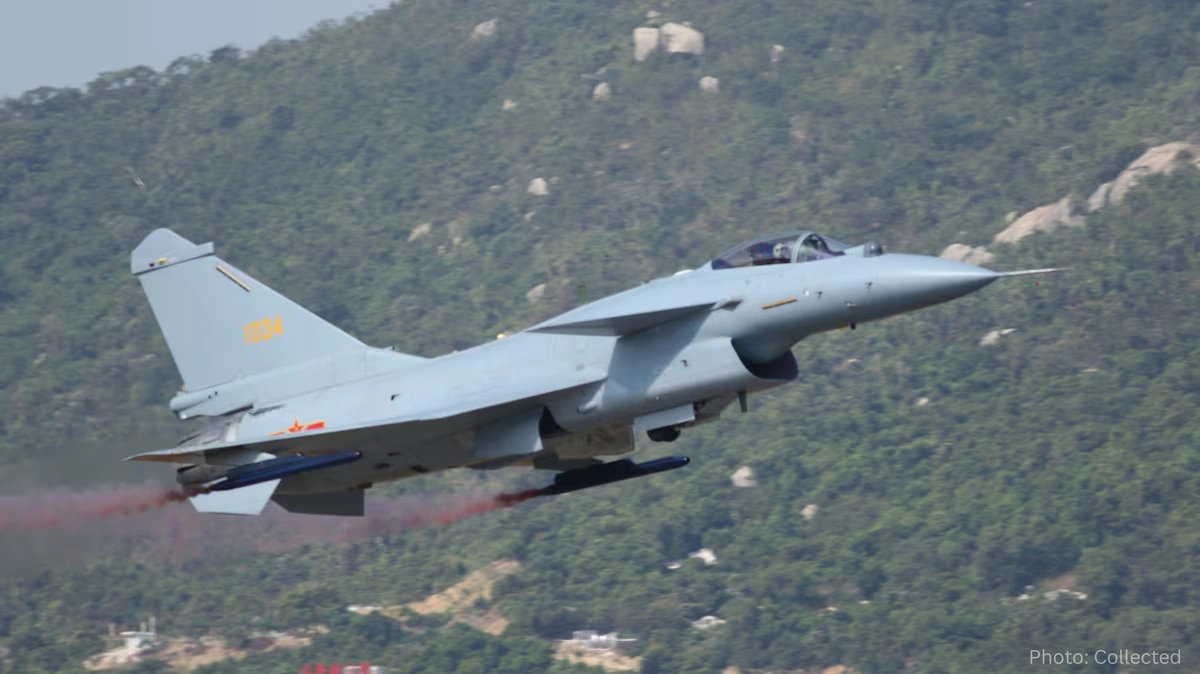
The government is expected to finalize a major defence agreement with China for the purchase of 24 J-10CE multirole fighter jets, as Dhaka and Beijing deepen cooperation in defence, trade, infrastructure, and investment.
Bangladesh is preparing to finalize a significant defence procurement agreement with China for the purchase of 24 advanced J-10CE multirole fighter aircraft, according to officials familiar with ongoing discussions. The proposed acquisition is expected to become one of the largest defence deals between the two countries in recent years and reflects Dhaka’s broader efforts to strengthen strategic cooperation with Beijing.
The development comes as Prime Minister Tarek Rahman begins an official visit to China, where discussions covering defence, infrastructure, trade, and investment are expected to dominate the agenda. Government sources indicate that negotiations surrounding the fighter jet purchase have entered their final stages, with both sides working to complete the agreement in the coming months.
According to senior officials, the final contract could be signed as early as August this year. The proposed deal involves the acquisition of 24 J-10CE aircraft, a modern fourth-generation-plus fighter platform designed for multirole combat operations. Each aircraft is estimated to carry a market value of approximately $40 million, making the overall package a major investment in Bangladesh’s military modernization efforts.
Diplomatic and defence sources said a Chinese delegation recently visited Dhaka to advance negotiations, while Bangladeshi representatives are expected to hold separate meetings with Chinese defence and foreign affairs officials during the Beijing visit to finalize technical and financial details.
The fighter jet discussions form part of a broader effort to elevate bilateral relations between Bangladesh and China. Officials from both countries are reportedly considering the adoption of a new framework that would upgrade the existing strategic partnership into what is being described as a “Shared Future Partnership,” reflecting deeper long-term cooperation across multiple sectors.
Foreign Secretary Asad Alam Siam has indicated that the visit could result in the signing of around 17 agreements, memorandums of understanding, and joint declarations covering a wide range of areas, including economic cooperation, infrastructure development, energy, trade, and technology.
One of the major projects expected to feature prominently in discussions is the long-discussed Teesta Barrage initiative. Both sides are expected to examine the possibility of conducting a joint feasibility study aimed at advancing the project and addressing water management challenges in northern Bangladesh.
The modernization of Mongla Port, the country’s second-largest seaport, is also expected to receive significant attention. Bangladesh and China are reportedly exploring expanded cooperation to enhance the port’s infrastructure and operational capacity, transforming it into a more competitive regional trade hub.
As part of that effort, Bangladesh has prepared to allocate a dedicated 110-acre Special Economic Zone in Mongla for Chinese investors. The move is intended to attract industrial investment and encourage the establishment of manufacturing facilities that could support export growth and employment generation.
The proposed economic zone had previously been designated for Indian investment under an earlier arrangement. However, officials have confirmed that the previous agreement has been cancelled, opening the way for Chinese participation in the project.
The decision follows the recent approval of an exclusive Chinese industrial park in Chattogram, where Beijing has reportedly committed approximately $500 million in investment. Policymakers view such initiatives as critical components of Bangladesh’s strategy to expand industrial capacity and create employment opportunities for its growing workforce.
Government officials have emphasized that attracting foreign manufacturing investment remains a key economic priority. By encouraging international companies to relocate production facilities to Bangladesh, authorities hope to generate thousands of new jobs while strengthening the country's export-oriented industrial base.
The growing partnership between Dhaka and Beijing is likely to attract close attention from regional powers, particularly India. Bangladesh and India share extensive economic, security, and geographic ties, including a border stretching more than 4,000 kilometers and cooperation on trade and water-sharing issues.
Recent diplomatic tensions and border-related incidents have prompted increased scrutiny of the evolving regional balance. Analysts note that Bangladesh’s current foreign policy approach differs from previous years, with the government pursuing a more diversified strategy aimed at maintaining active engagement with major global powers, including China, the United States, Russia, and India.
Beyond China, Bangladesh has also intensified diplomatic outreach to other strategic partners. Recent engagements with Russia have focused on strengthening bilateral relations and expanding cooperation in areas such as energy and trade. Officials are also optimistic about gaining support for Bangladesh’s efforts to deepen engagement with emerging international economic platforms.
As Dhaka seeks to balance its relationships with competing global powers, the proposed fighter jet acquisition and broader cooperation agreements with China highlight the government’s intention to diversify strategic partnerships while advancing national economic and security objectives.
If finalized, the J-10CE deal would mark a significant milestone in Bangladesh’s defence modernization program and signal a new phase in the country’s evolving relationship with China.
Related News


You may like




Tom Holland Says Marvel Has a Plan for the Next Spider-Man
August 1, 2026
Elected News
-
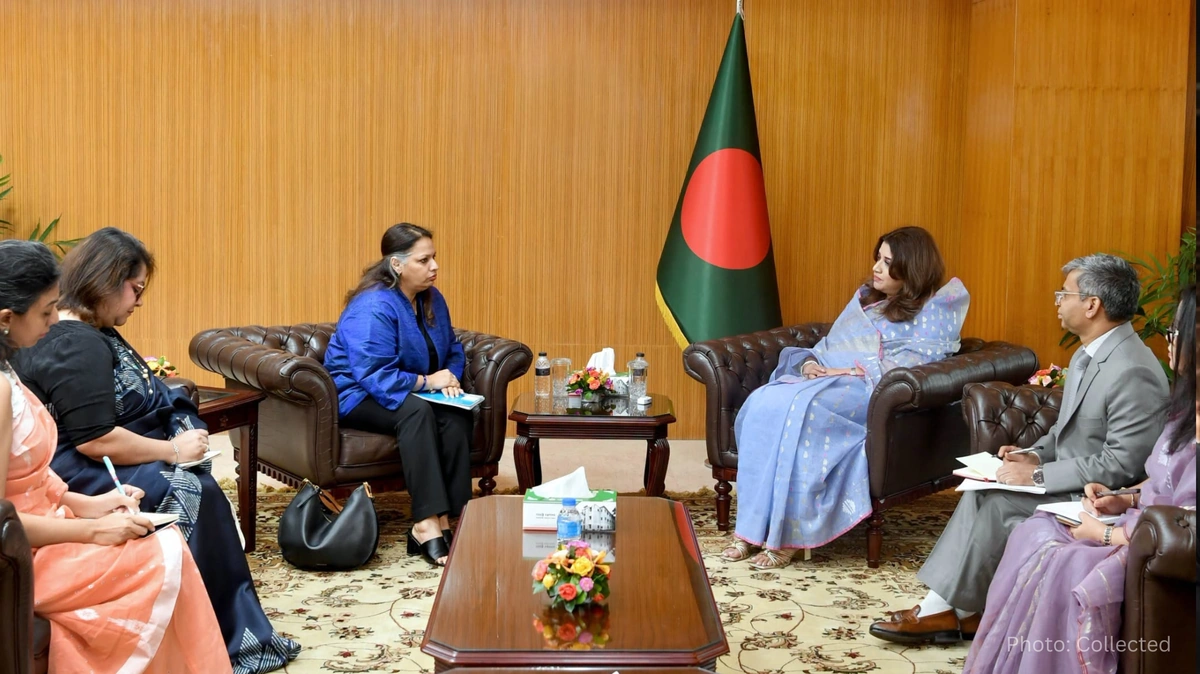
Bangladesh Seeks UN Women Support on Digital Harassment and Women’s Empowerment
-
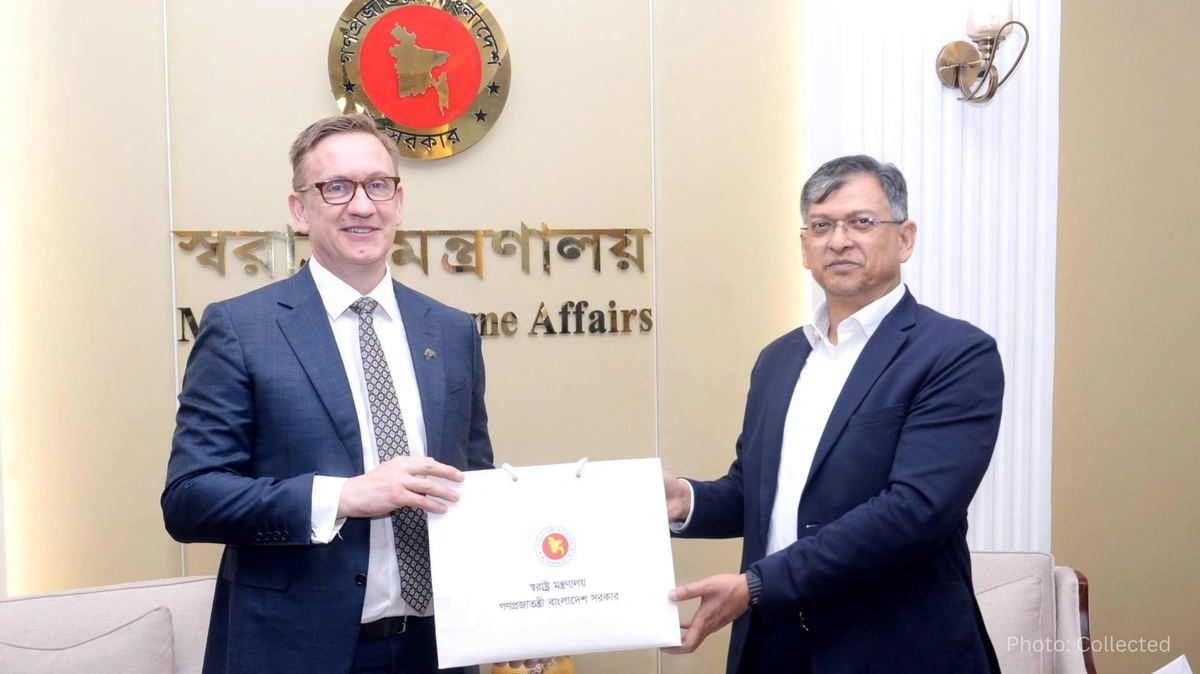
Bangladesh, Australia Discuss Human Trafficking, Irregular Migration and Rohingya Crisis
-
Bangladesh Plans Internet-Free Access to Mobile Banking and Financial Apps
-
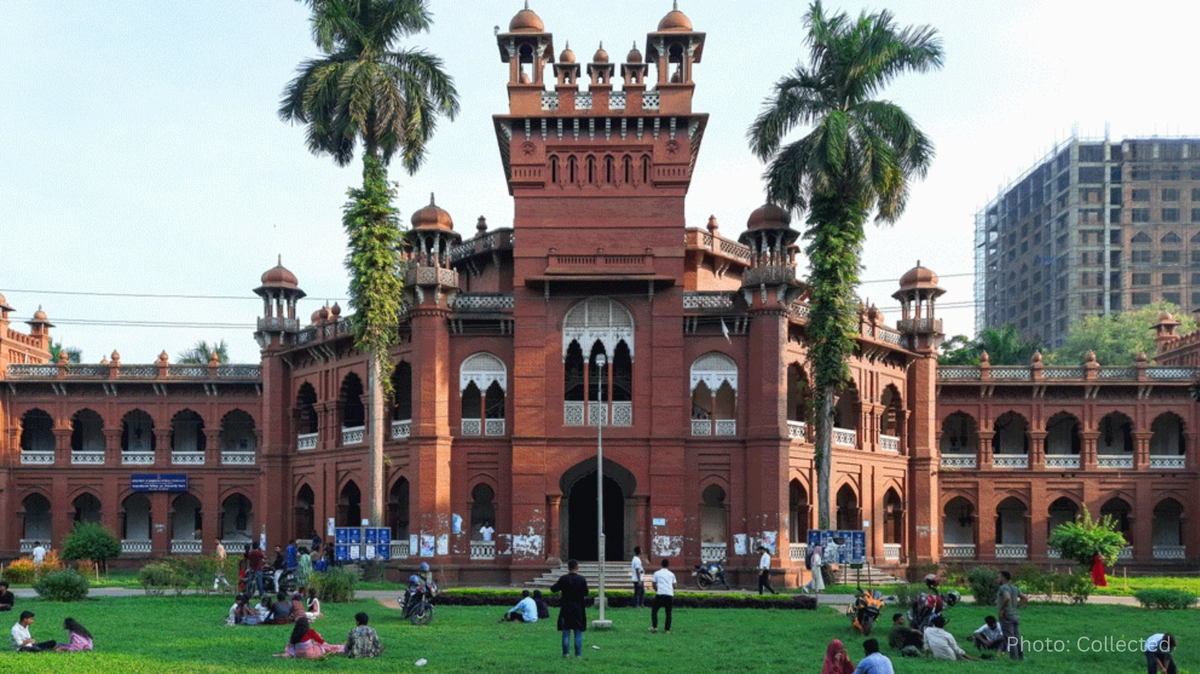
DU to Open Undergraduate Admission Applications on 11 November, Tests Begin 5 December


