Food Adulteration and Safety Awareness: Protecting Public Health Through Informed Choices
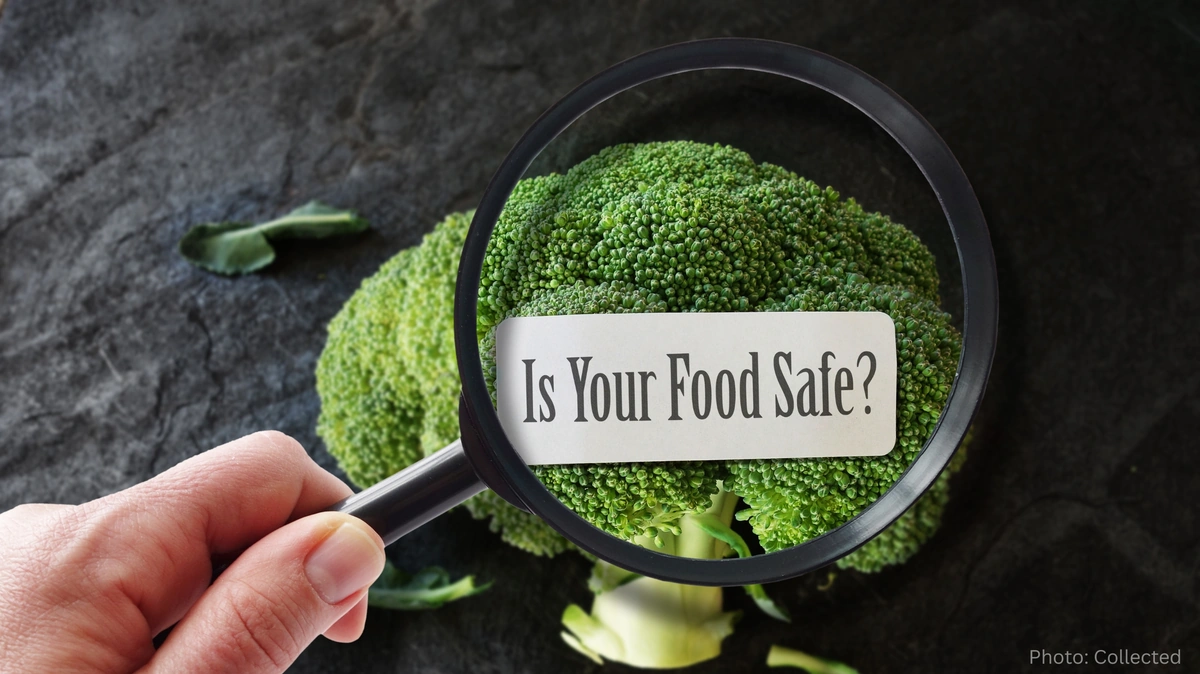
Food adulteration remains a major public health concern, making consumer awareness, stricter regulations, and safe food practices essential for protecting health and ensuring food quality.
Food safety has become an increasingly important issue worldwide as concerns over food adulteration continue to affect public health, consumer confidence, and market integrity. Experts warn that the deliberate addition of harmful or inferior substances to food products poses serious risks, making awareness and preventive measures more important than ever.
Food adulteration refers to the practice of reducing the quality of food by adding unauthorized substances, removing valuable ingredients, or misrepresenting products for economic gain. Common examples include mixing water with milk, adding artificial colors to spices, using harmful chemicals to ripen fruits, or selling counterfeit food products under trusted brand names.
Health specialists say the consequences of consuming adulterated food can range from minor digestive problems to severe long-term illnesses. Depending on the substances involved, contaminated food may cause food poisoning, allergic reactions, liver and kidney damage, nervous system disorders, and other chronic health complications. Children, elderly individuals, and people with weakened immune systems are particularly vulnerable.
Food safety authorities around the world have intensified efforts to combat the problem through inspections, laboratory testing, public awareness campaigns, and stricter enforcement of regulations. However, experts emphasize that government action alone is not enough. Consumer awareness plays a crucial role in identifying suspicious products and encouraging responsible purchasing decisions.
Nutritionists advise consumers to purchase food from reputable sources and carefully examine packaging, manufacturing dates, expiry dates, and certification labels before buying products. Foods with unusually bright colors, strong artificial smells, or suspiciously low prices should be approached with caution. Proper storage and preparation of food are also essential to reduce the risk of contamination.
Fresh fruits and vegetables should be thoroughly washed before consumption, while meat, fish, and dairy products should be stored at appropriate temperatures to prevent bacterial growth. Consumers are also encouraged to avoid products that appear damaged, improperly sealed, or stored in unhygienic conditions.
Educational institutions, healthcare organizations, and community groups have increasingly joined efforts to promote food safety awareness. Public campaigns often focus on teaching consumers how to identify common forms of adulteration and understand the health risks associated with unsafe food practices.
Advancements in technology are also helping authorities improve food monitoring systems. Modern testing methods allow regulators to detect contamination more quickly and accurately, strengthening efforts to maintain food quality standards across supply chains.
Experts stress that ensuring food safety is a shared responsibility involving producers, distributors, retailers, regulators, and consumers. By adopting safe food handling practices and remaining vigilant about product quality, individuals can significantly reduce their exposure to adulterated food.
As awareness continues to grow, authorities hope that stronger enforcement measures and informed consumer behavior will contribute to safer food markets and improved public health outcomes. Promoting food safety not only protects individual well-being but also supports confidence in the broader food industry and strengthens national health security.
Related News





You may like




Tom Holland Says Marvel Has a Plan for the Next Spider-Man
August 1, 2026
Elected News
-
Bangladesh Seeks UN Women Support on Digital Harassment and Women’s Empowerment
-
Bangladesh, Australia Discuss Human Trafficking, Irregular Migration and Rohingya Crisis
-
Bangladesh Plans Internet-Free Access to Mobile Banking and Financial Apps
-
DU to Open Undergraduate Admission Applications on 11 November, Tests Begin 5 December


