The technique to identifypure gold
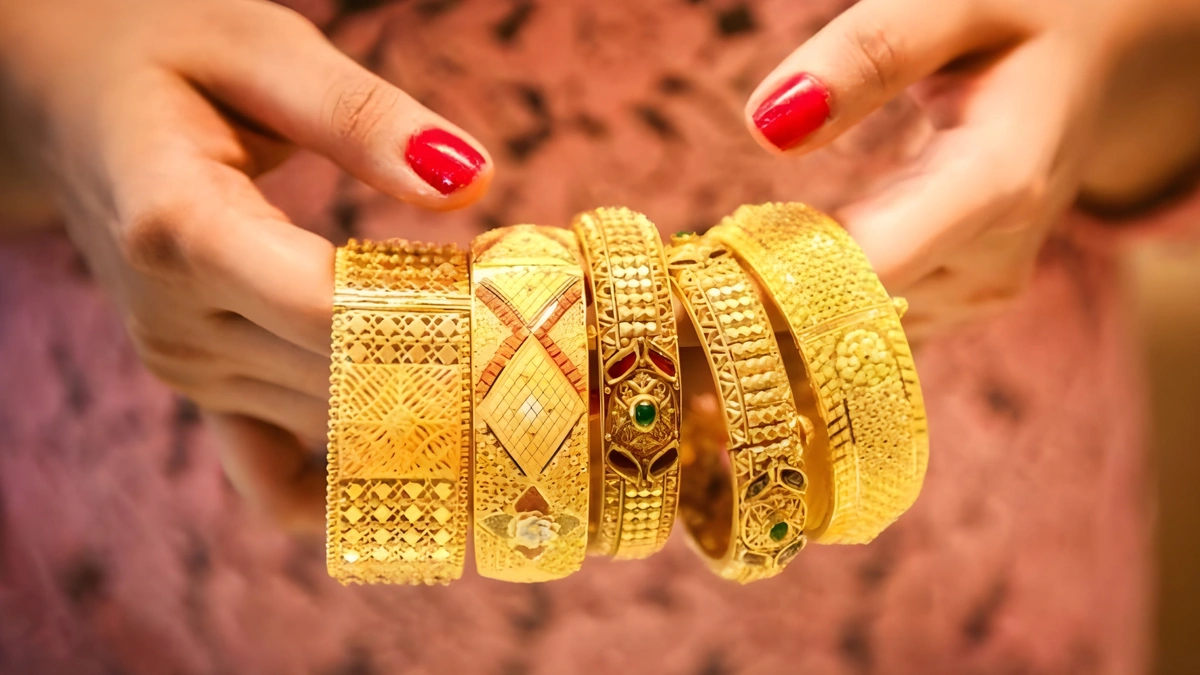
The fascination with gold has existed for ages. No matter how high the price rises, buying and selling never stop. People insist on wearing gold jewelry at every occasion. Gold is valued not only as adornment but also as an asset. That’s why many people buy gold from individuals, hoping to get it at a slightly lower price.
Here are five simple techniques to identify pure gold checking the hallmark, using a magnet test, scratch test, water density test, and substitution test. Among these, checking the hallmark is the easiest way to confirm purity. The other tests magnet, scratch, and water density can help verify authenticity, though there’s still a risk of deception, even when buying from jewelry stores.
Goldsmiths, despite their expertise, often verify authenticity by rubbing gold on a touchstone. Since you likely don’t have one, here are some simple methods to check if your gold is genuine:
Gold is measured in carats, and its purity is categorized as 10k, 14k, 18k, 22k, or 24k. In Bangladesh, 18k–24k gold is most commonly sold.
-
Hallmark Check: The easiest and most reliable method. Look for a hallmark stamp inside the jewelry usually marked 24, 22, or 18. The higher the number, the purer the gold.
1. Nitric Acid Test
Pure gold does not react with nitric acid, but other metals do. To test, gently scrape a small part of the gold item and place a drop of nitric acid on it.
-
If there’s no color change, it’s pure gold.
-
If it turns greenish, the gold is impure and likely mixed with copper or bronze.
2. Water Test
Fill a bowl with water and drop the gold jewelry in.
-
If it floats, it’s fake.
-
If it quickly sinks, it’s real gold, as pure gold is dense and heavy.
3. Magnet Test
Hold a strong magnet close to the jewelry.
-
If it sticks, it’s not pure gold, since gold is non-magnetic.
-
If it doesn’t attract, it’s likely real.
These simple tricks can help you avoid getting cheated and ensure that the gold you buy is truly pure.
Related News
You may like



Tom Holland Says Marvel Has a Plan for the Next Spider-Man
August 1, 2026
Elected News
-
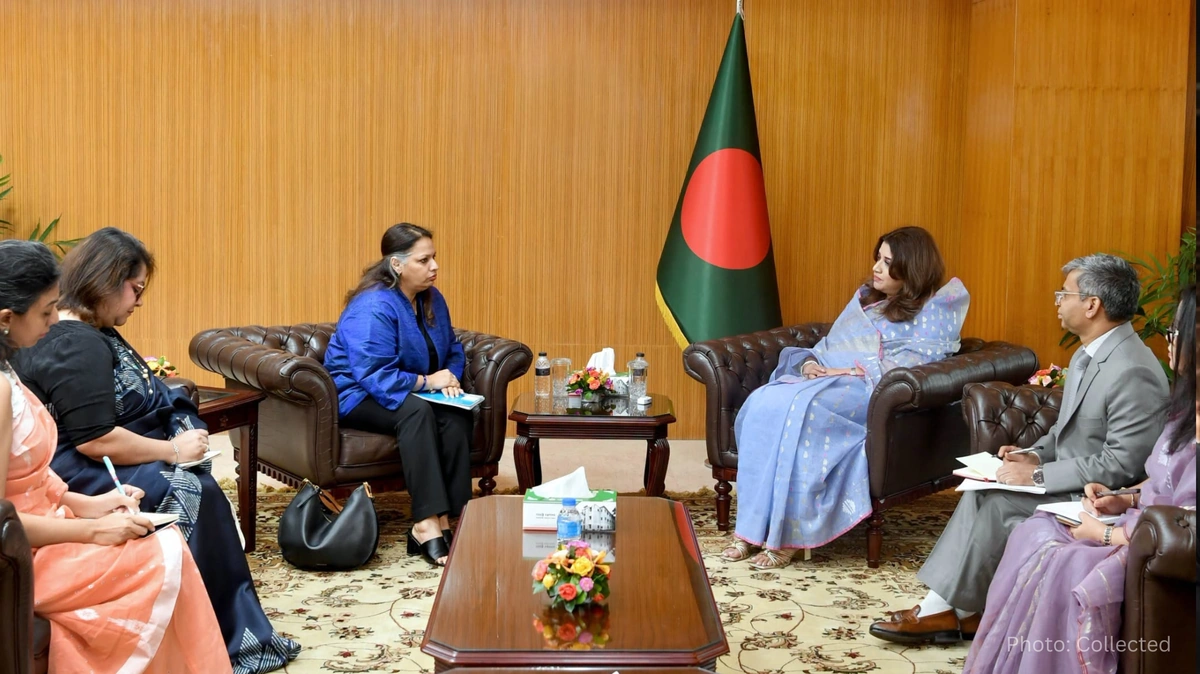
Bangladesh Seeks UN Women Support on Digital Harassment and Women’s Empowerment
-
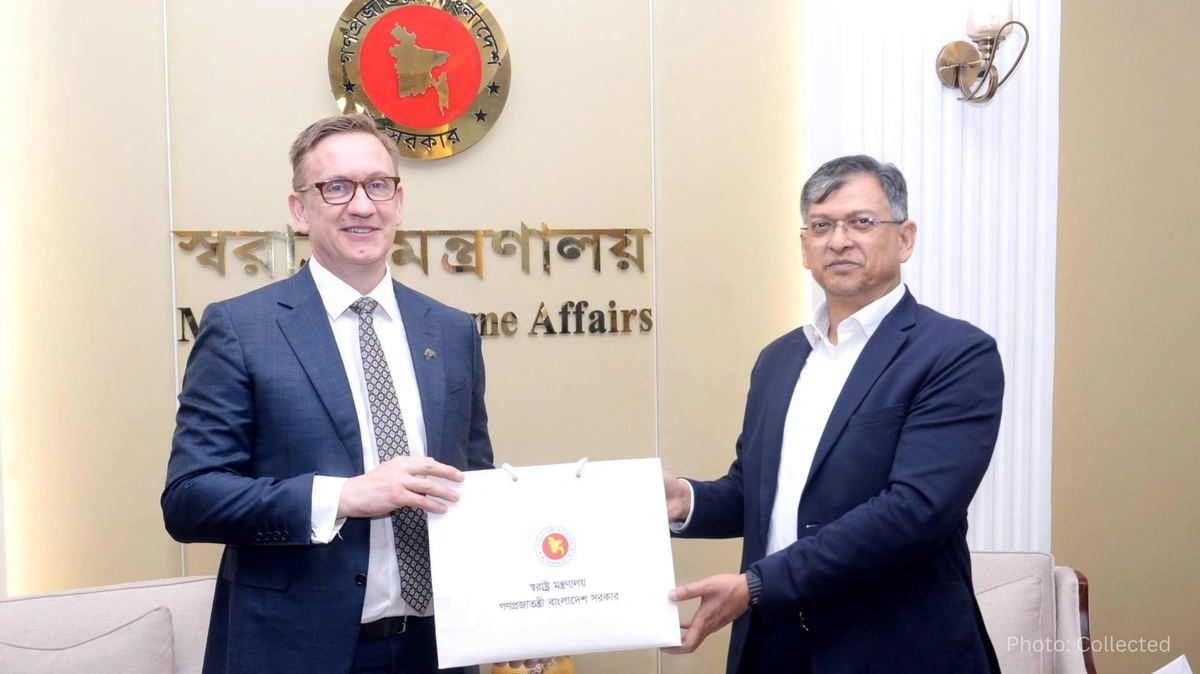
Bangladesh, Australia Discuss Human Trafficking, Irregular Migration and Rohingya Crisis
-
Bangladesh Plans Internet-Free Access to Mobile Banking and Financial Apps
-

DU to Open Undergraduate Admission Applications on 11 November, Tests Begin 5 December


