Hajj Preparation Guide: Essential Steps for a Safe, Meaningful, and Spiritually Rewarding Pilgrimage
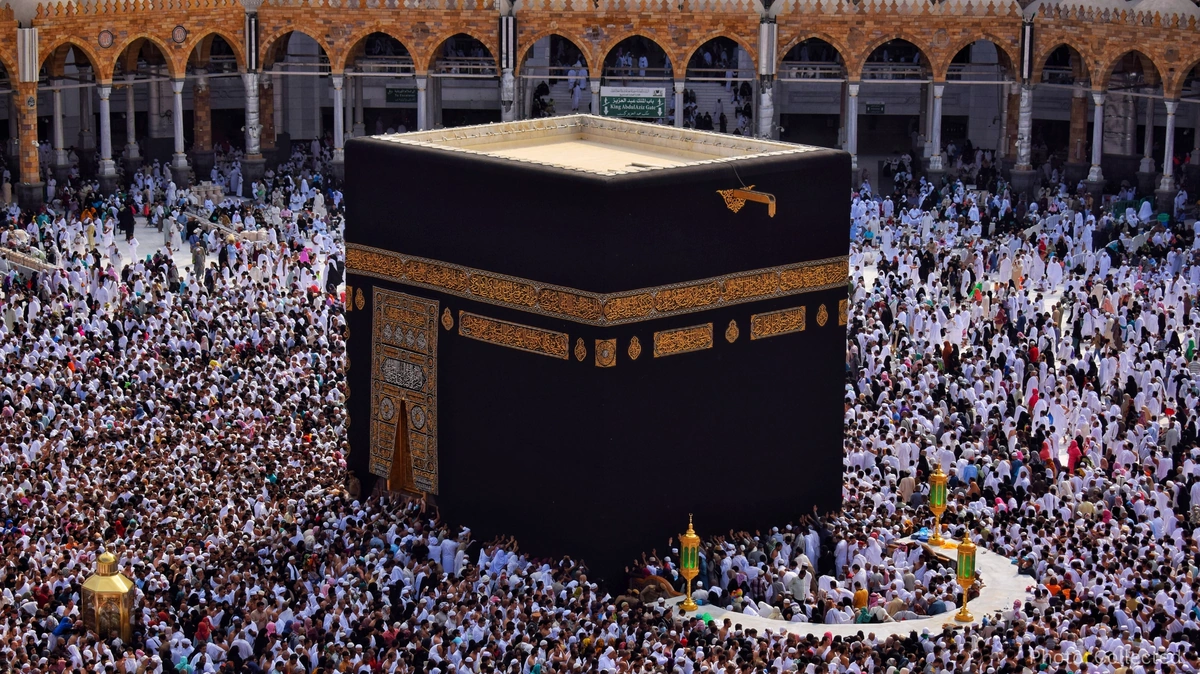
Hajj is one of the five pillars of Islam and a once-in-a-lifetime obligation for Muslims who are physically and financially able. Proper preparation spiritually, physically, financially, and logistically helps pilgrims perform the sacred journey with greater focus, confidence, and devotion.
Every year, millions of Muslims from around the world travel to the holy cities of Makkah and Madinah to perform Hajj, one of Islam's five pillars. The pilgrimage is a profound act of worship that symbolizes unity, equality, patience, and complete submission to Allah. Because Hajj involves a series of rituals performed over several days, scholars and travel experts emphasize that thorough preparation is essential for a safe and spiritually fulfilling experience.
The first step for prospective pilgrims is ensuring they meet the Islamic conditions for Hajj. The pilgrimage is obligatory once in a lifetime for Muslims who are physically capable, mentally sound, and financially able to undertake the journey without neglecting the needs of their dependents. Those planning to perform Hajj are encouraged to renew their intentions (niyyah) and seek sincerity in every aspect of the pilgrimage.
Spiritual preparation is considered just as important as logistical planning. Islamic scholars encourage pilgrims to increase their prayers, recitation of the Quran, remembrance of Allah (dhikr), and supplication before departure. Many also recommend learning the meanings and rulings of each Hajj ritual to perform them correctly and with greater understanding.
Seeking forgiveness from Allah and reconciling with family members, friends, and others before leaving for Hajj is another widely encouraged practice. Pilgrims are advised to settle debts where possible, fulfill outstanding responsibilities, and make arrangements for those who depend on them during their absence.
Health preparation has become an increasingly important part of Hajj planning. Medical professionals advise pilgrims to undergo health check-ups before traveling, receive required vaccinations, and consult physicians regarding any chronic medical conditions. Carrying prescribed medications in sufficient quantities, along with copies of medical prescriptions, can help avoid complications during the journey.
Given the large crowds and warm climate often experienced during Hajj, maintaining hydration, wearing appropriate footwear, using sunscreen, and getting adequate rest are considered important measures for reducing health risks. Pilgrims are also encouraged to follow local health guidelines issued by Saudi authorities throughout the pilgrimage.
Financial planning is another key component of Hajj preparation. Pilgrims should ensure that travel expenses, accommodation, meals, transportation, and other costs are funded through halal income. Creating a realistic budget before departure can help manage expenses while allowing for unforeseen costs during the journey.
Packing carefully can also improve the overall Hajj experience. Essential items typically include Ihram garments for men, modest clothing for women, comfortable walking shoes or sandals, personal hygiene products, travel documents, identification, prayer items, reusable water bottles, and basic first-aid supplies. Electronic copies of important documents stored securely can provide additional protection in case originals are misplaced.
Learning the sequence of Hajj rituals including entering the state of Ihram, performing Tawaf around the Kaaba, Sa'i between Safa and Marwah, standing at Arafat, spending the night in Muzdalifah, the symbolic stoning of the Jamarat, and the farewell Tawaf helps pilgrims perform each act with confidence while minimizing confusion during the pilgrimage.
Pilgrims are also advised to remain patient and respectful throughout the journey. Hajj brings together Muslims from nearly every country and culture, creating one of the world's largest annual religious gatherings. Demonstrating kindness, avoiding arguments, assisting fellow pilgrims, and maintaining good character are regarded as essential aspects of the pilgrimage experience.
Modern technology has also become an important tool for Hajj preparation. Official mobile applications, digital maps, translation tools, and communication platforms help pilgrims navigate holy sites, access important information, and stay connected with their travel groups and family members.
Islamic scholars remind pilgrims that while careful planning is valuable, the true purpose of Hajj is spiritual transformation. The pilgrimage offers Muslims an opportunity to strengthen their relationship with Allah, seek forgiveness, reflect on their lives, and return home with renewed faith and commitment to righteous living.
As preparations begin each year, religious leaders continue to encourage prospective pilgrims to combine practical readiness with sincere worship, ensuring that every step of the sacred journey reflects the values of patience, humility, gratitude, and devotion that lie at the heart of Hajj.
Related News



You may like




Tom Holland Says Marvel Has a Plan for the Next Spider-Man
August 1, 2026
Elected News
-
Bangladesh Seeks UN Women Support on Digital Harassment and Women’s Empowerment
-
Bangladesh, Australia Discuss Human Trafficking, Irregular Migration and Rohingya Crisis
-
Bangladesh Plans Internet-Free Access to Mobile Banking and Financial Apps
-
DU to Open Undergraduate Admission Applications on 11 November, Tests Begin 5 December


