Interfaith Harmony in Bangladesh: Strengthening Unity Through Respect, Diversity, and Shared Values
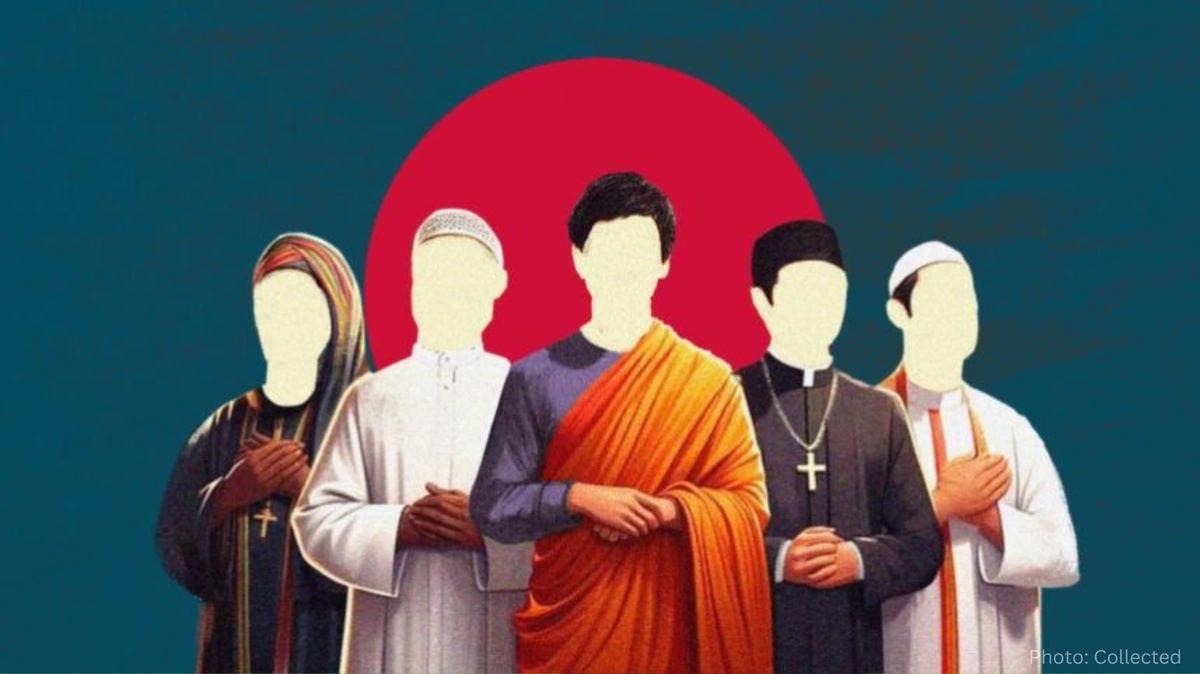
Bangladesh is home to people of different faiths who have lived together for generations, contributing to the country's rich cultural and social heritage. While challenges occasionally arise, interfaith dialogue, community cooperation, and constitutional protections continue to play important roles in promoting peaceful coexistence and mutual respect.
Bangladesh has long been recognized for its religious and cultural diversity, where Muslims, Hindus, Buddhists, Christians, and followers of other faiths have contributed to the nation's social fabric for generations. Despite periodic challenges, interfaith harmony remains an important aspiration, supported by community initiatives, religious leaders, civil society, and constitutional principles that promote equality and freedom of religion.
The country's religious landscape reflects centuries of shared history, with places of worship representing different faiths found across cities, towns, and rural communities. Mosques, temples, churches, monasteries, and pagodas continue to serve not only as centers of worship but also as venues for community engagement, charitable work, and cultural exchange.
Throughout the year, Bangladesh observes numerous religious festivals celebrated by different communities. Major Islamic occasions such as Eid-ul-Fitr and Eid-ul-Adha are observed nationwide, while festivals including Durga Puja, Buddha Purnima, and Christmas are also celebrated by their respective communities. In many areas, people from different religious backgrounds exchange greetings, visit one another, and participate in cultural events, reflecting traditions of mutual respect and social interaction.
Community leaders and religious scholars frequently emphasize that peaceful coexistence is strengthened through dialogue, understanding, and cooperation. Educational institutions, youth organizations, and civil society groups regularly organize discussions, cultural programs, and awareness campaigns aimed at encouraging respect for religious diversity and reducing prejudice.
The Constitution of Bangladesh provides for equality before the law and recognizes the rights of citizens to practice their religion, subject to legal provisions. Public institutions, law enforcement agencies, and local administrations often coordinate with community representatives to help ensure that major religious festivals and gatherings are conducted peacefully and securely.
Interfaith cooperation has also become increasingly visible during humanitarian efforts. During natural disasters, floods, cyclones, and other emergencies, volunteers and charitable organizations from different religious communities have frequently worked together to provide relief, distribute food, and assist affected families regardless of faith or background.
Academic researchers note that Bangladesh's diverse cultural traditions have contributed to a shared national identity that extends beyond religious affiliation. Folk music, literature, traditional arts, cuisine, and local customs often reflect influences from multiple communities, reinforcing social connections across religious lines.
At the same time, experts acknowledge that maintaining interfaith harmony requires continued effort. Isolated incidents of communal tension, misinformation, or attacks targeting religious communities have highlighted the importance of effective law enforcement, responsible public communication, and prompt legal action when violence or discrimination occurs. Community leaders have repeatedly stressed that such incidents should not define the broader relationships among the country's diverse religious groups.
Digital platforms have also created new opportunities and challenges. While social media enables greater communication between communities, authorities and civil society organizations continue to encourage responsible online behavior to reduce the spread of misinformation, hate speech, and content that could inflame communal tensions.
Educational initiatives are increasingly viewed as an important tool for strengthening long-term harmony. Programs promoting civic values, religious tolerance, critical thinking, and respect for diversity aim to help younger generations appreciate the country's multicultural heritage while rejecting discrimination and extremism.
Business leaders and development experts also point to the economic benefits of social stability. Peaceful communities create a more favorable environment for investment, tourism, education, and sustainable development, reinforcing the importance of protecting social cohesion as part of the country's broader development goals.
As Bangladesh continues to evolve socially and economically, many religious leaders, policymakers, and community organizations maintain that preserving interfaith harmony remains a shared national responsibility. Through dialogue, mutual respect, equal protection under the law, and continued cooperation among citizens of different beliefs, the country continues to strive toward a society where religious diversity is respected and peaceful coexistence remains a defining feature of its national identity.
Related News





You may like




Tom Holland Says Marvel Has a Plan for the Next Spider-Man
August 1, 2026
Elected News
-
Bangladesh Seeks UN Women Support on Digital Harassment and Women’s Empowerment
-
Bangladesh, Australia Discuss Human Trafficking, Irregular Migration and Rohingya Crisis
-
Bangladesh Plans Internet-Free Access to Mobile Banking and Financial Apps
-
DU to Open Undergraduate Admission Applications on 11 November, Tests Begin 5 December


