Leaf Sheep Captivates Scientists With Its Plant-Like Superpower
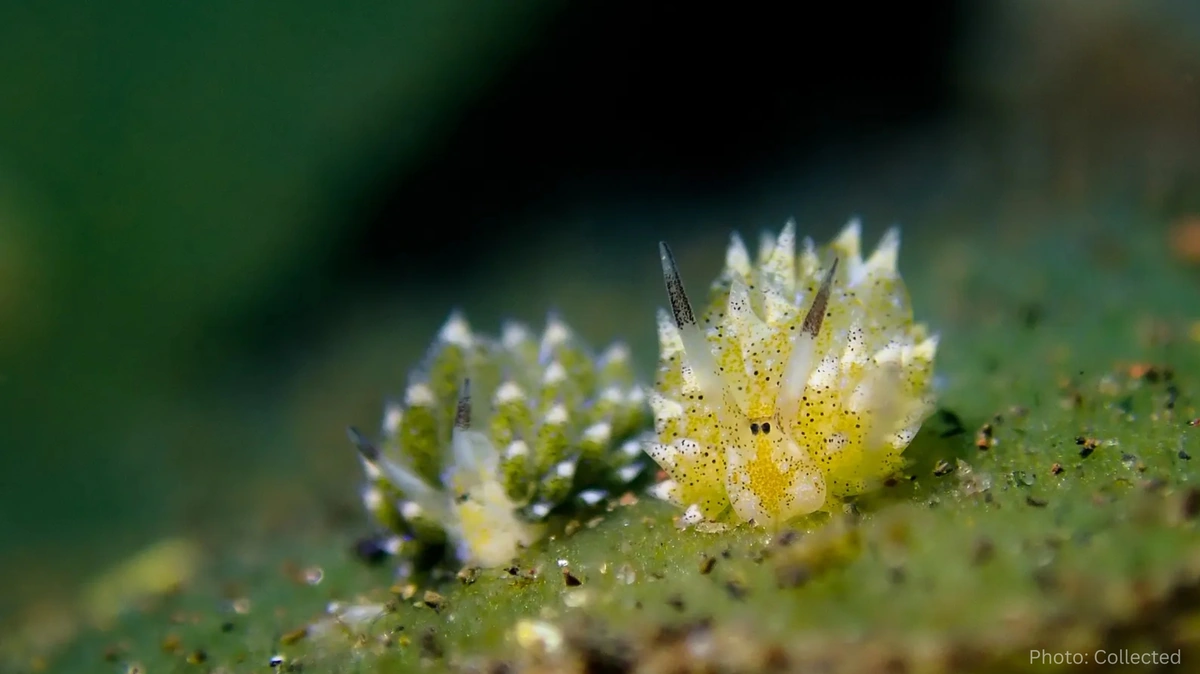
The leaf sheep, a tiny sea slug found in tropical waters, has fascinated scientists and nature enthusiasts alike for its unique ability to steal chloroplasts from algae and use sunlight as a supplementary energy source.
Among the ocean’s most unusual and captivating creatures is the leaf sheep, a microscopic sea slug whose appearance and biological abilities have earned global attention. Known scientifically as Costasiella kuroshimae, the marine mollusk resembles a tiny green sheep covered in leaf-like structures, giving it one of the most distinctive appearances in the underwater world.
Native to shallow tropical waters across parts of the western Pacific and eastern Indian Ocean, including regions around Japan, Indonesia, and the Philippines, the leaf sheep is only about the size of a grain of rice. Despite its tiny stature, it possesses an extraordinary adaptation that has made it a subject of scientific fascination: the ability to harness energy from sunlight.
Unlike most animals, the leaf sheep can perform a process known as kleptoplasty. This occurs when the sea slug consumes algae and retains the algae’s chloroplasts—the structures responsible for photosynthesis in plants. Instead of digesting these chloroplasts, the leaf sheep stores them within specialized leaf-like extensions on its body called cerata.
These chloroplasts continue functioning inside the slug, allowing it to capture sunlight and generate supplemental energy. While the leaf sheep cannot survive solely through photosynthesis like a plant, the stolen chloroplasts help support its energy needs for extended periods. Scientists consider this one of the most remarkable examples of biological adaptation found in the animal kingdom.
The leaf sheep belongs to a group of sea slugs known as Sacoglossa, often referred to as “solar-powered sea slugs” because of their unusual relationship with algae. Researchers continue to study these creatures to better understand how chloroplasts remain functional within animal cells, a phenomenon that challenges traditional distinctions between plant and animal life.
Beyond its photosynthetic abilities, the leaf sheep possesses several specialized features that help it survive in its environment. Two antenna-like organs called rhinophores extend from its head and function as sensory structures, allowing the animal to detect chemical signals in the surrounding water. These organs help the slug locate food and navigate its habitat.
The bright green cerata that cover its body serve multiple purposes. In addition to housing chloroplasts, they provide effective camouflage by helping the animal blend seamlessly into the algae it feeds on. This natural disguise protects the leaf sheep from predators and allows it to remain hidden among marine vegetation.
The species also has a unique reproductive strategy. Leaf sheep are simultaneous hermaphrodites, meaning each individual possesses both male and female reproductive organs. However, they still require a partner to reproduce. After mating, they lay tiny spiral-shaped egg ribbons on algae, ensuring the next generation remains close to its food source.
Ecologically, leaf sheep play an important role in maintaining balance within marine ecosystems. By feeding on algae, they help regulate algal growth in shallow reef and seagrass habitats. Their presence contributes to biodiversity and supports the health of delicate coastal ecosystems.
Scientists believe the species may also provide valuable insights into broader biological questions involving symbiosis, energy transfer, and evolutionary adaptation. Research into kleptoplasty could potentially deepen understanding of how different organisms interact and share biological functions.
The growing popularity of underwater photography has helped bring the leaf sheep into the global spotlight. Close-up images of the tiny creature, often highlighting its cartoon-like eyes and vibrant green body, have spread widely across social media and wildlife platforms. As a result, the species has become a symbol of the hidden wonders that exist beneath the ocean’s surface.
Conservationists say the leaf sheep also serves as a reminder that even the smallest marine species play important roles in ocean ecosystems. Protecting seagrass beds, coral reefs, and coastal habitats is essential not only for large marine animals but also for lesser-known organisms whose ecological contributions are often overlooked.
As scientists continue to uncover the secrets of this remarkable sea slug, the leaf sheep stands as a powerful example of nature’s creativity an animal that blurs the line between plant and animal life while demonstrating the extraordinary diversity found within the world’s oceans.
Related News
You may like




Tom Holland Says Marvel Has a Plan for the Next Spider-Man
August 1, 2026
Elected News
-

Bangladesh Seeks UN Women Support on Digital Harassment and Women’s Empowerment
-

Bangladesh, Australia Discuss Human Trafficking, Irregular Migration and Rohingya Crisis
-

Bangladesh Plans Internet-Free Access to Mobile Banking and Financial Apps
-

DU to Open Undergraduate Admission Applications on 11 November, Tests Begin 5 December


