US Government Claims Grok AI Was Used in Military Targeting Operations Amid Legal Battle Over xAI Data Center Power Use
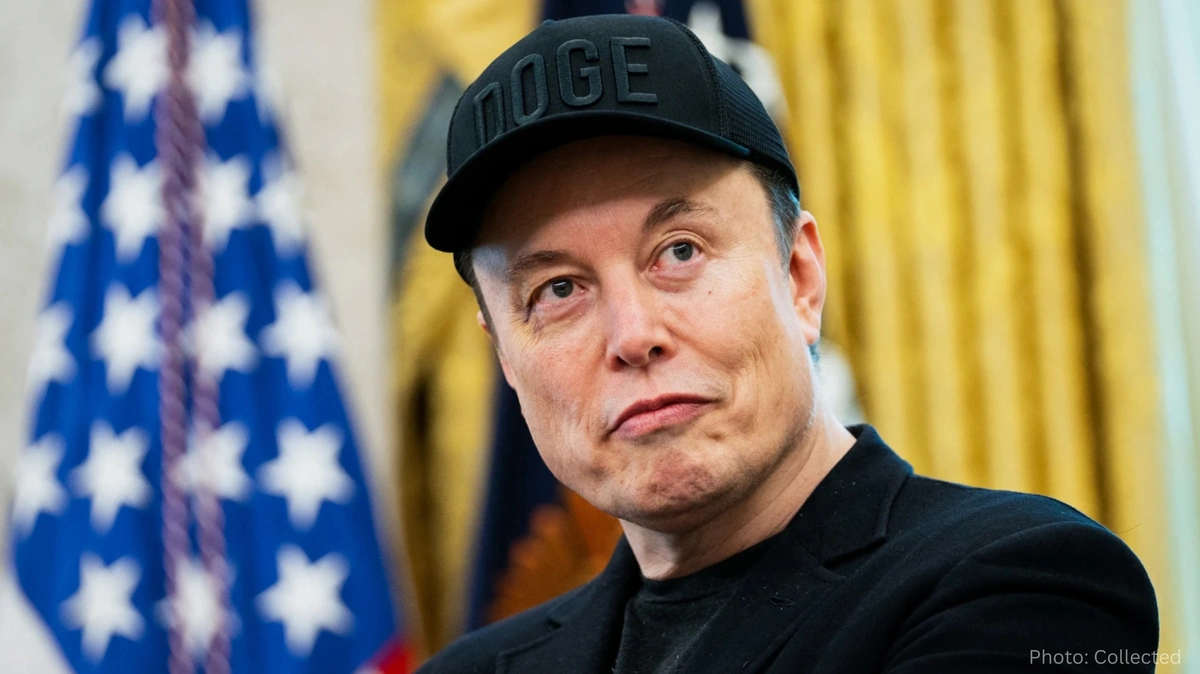
The United States government has stated in a legal filing that Elon Musk’s AI system Grok has been used within military operations linked to Iran strikes, as part of a broader defense of xAI’s energy infrastructure in an ongoing environmental lawsuit.
The United States government has disclosed in a recent legal briefing that the artificial intelligence system Grok, developed by xAI, has been used in military-related operations involving strikes against Iran. The claim emerged in court documents filed by the United States Department of Justice on 15 June and was reported publicly on 16 June.
The filing is part of a legal defense concerning an environmental lawsuit targeting gas turbines used to power a large data center operated by xAI. Federal prosecutors argued that attempts to shut down or restrict the facility’s energy supply could pose risks to national security, economic stability, and military readiness due to the increasing role of artificial intelligence in defense systems.
According to testimony cited in the court documents, Pentagon AI leadership stated under oath that Grok is already integrated into Project Maven, a long-running initiative focused on applying artificial intelligence to assist in targeting and battlefield decision-making. The program was previously associated with other AI systems before transitioning toward a mix of commercial providers.
The testimony, attributed to a senior defense AI official, described how AI-assisted systems have significantly accelerated operational workflows in military contexts. It claimed that thousands of munitions were deployed against distinct targets within a short operational window during a referenced campaign, underscoring the expanding role of automated systems in modern warfare.
The court filing further referenced what it called a “Grok Gov Model,” suggesting a version of the AI system adapted for government or defense use. According to the testimony, this model has contributed to increased efficiency in operational planning and execution. However, the government did not provide detailed technical evidence in the public filing about how Grok is deployed or the extent of its autonomy in targeting decisions.
The disclosure has intensified scrutiny of the relationship between commercial artificial intelligence developers and the U.S. defense establishment. Elon Musk, who founded xAI as part of a broader push into advanced AI systems, has previously emphasized the company’s focus on building competitive large-scale AI infrastructure for both commercial and governmental applications.
At the center of the legal dispute is a lawsuit brought by the NAACP, which alleges that xAI is operating multiple gas turbines without proper environmental permits. The group argues that emissions from the facility disproportionately affect nearby Black communities and violate the Clean Air Act. The NAACP is seeking enforcement action to halt or regulate the turbines’ operation.
xAI has rejected the allegations, stating that the turbines are temporary, mobile units intended to support rapid deployment of computing infrastructure. The company argues that these installations fall outside the scope of the permitting requirements cited in the lawsuit and are essential for maintaining large-scale AI workloads.
The Department of Justice countered in its filing that restricting the data center’s power supply could have broader consequences beyond environmental regulation. It argued that the facility supports critical AI development tied to national defense capabilities, including systems used in high-intensity operational environments.
The case also highlights broader tensions between technology companies, regulators, and defense agencies as artificial intelligence becomes more deeply embedded in military systems. In recent years, the Pentagon has expanded partnerships with private-sector AI providers, particularly after shifting away from earlier agreements with other firms over concerns about autonomous weaponization and surveillance applications.
Industry reactions have been divided. Some technology employees and advocacy groups have raised concerns about the growing militarization of AI tools, warning that rapid integration into combat systems may outpace ethical and regulatory oversight. Others argue that AI integration is necessary to maintain strategic advantage and improve operational precision in modern warfare.
The court has not yet ruled on the environmental claims or the government’s national security arguments. However, the case is expected to continue drawing attention due to its intersection of environmental law, artificial intelligence governance, and military technology policy.
As proceedings continue, the disclosure that Grok is already embedded in defense-related systems marks a significant development in the evolving relationship between Silicon Valley AI firms and the United States military establishment.
Related News




You may like




Tom Holland Says Marvel Has a Plan for the Next Spider-Man
August 1, 2026
Elected News
-

Bangladesh Seeks UN Women Support on Digital Harassment and Women’s Empowerment
-

Bangladesh, Australia Discuss Human Trafficking, Irregular Migration and Rohingya Crisis
-

Bangladesh Plans Internet-Free Access to Mobile Banking and Financial Apps
-

DU to Open Undergraduate Admission Applications on 11 November, Tests Begin 5 December


