Digital Literacy for Rural Communities Becomes Key to Bangladesh's Inclusive Development
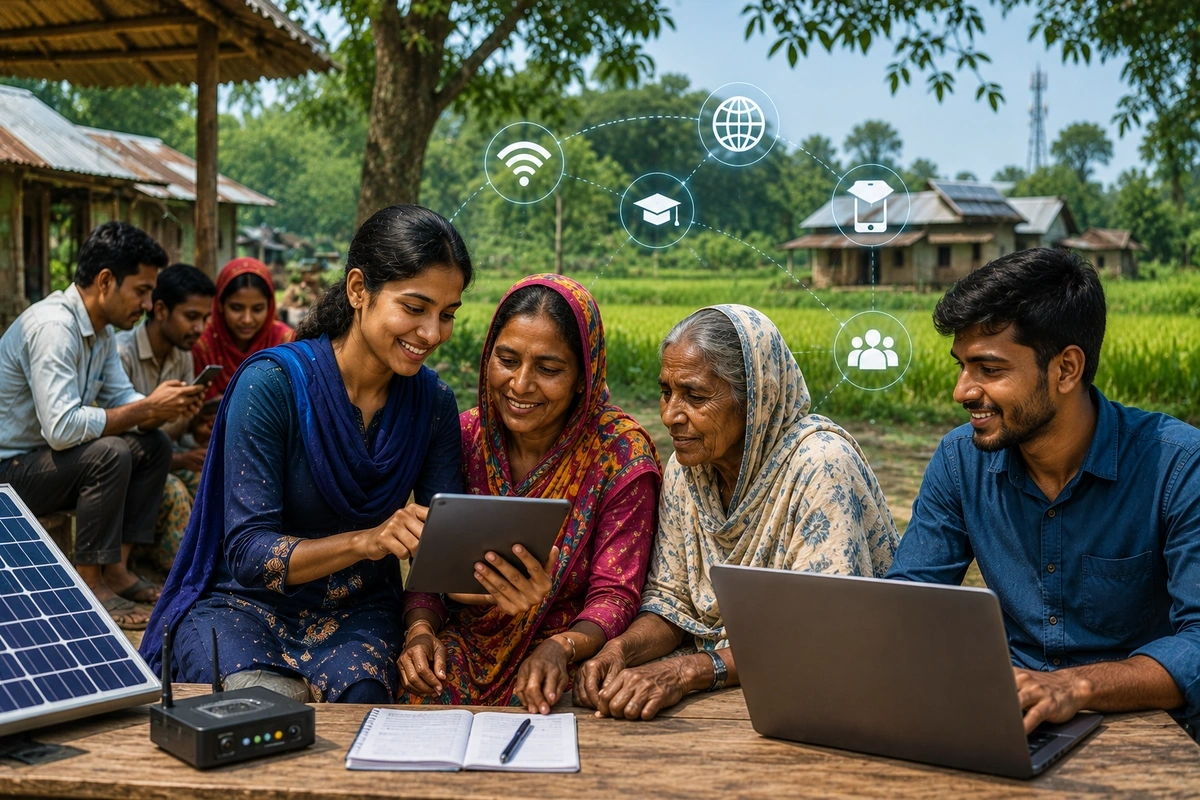
Governments, development agencies and technology experts say expanding digital skills in rural areas is essential for improving education, employment, financial inclusion and access to public services.
Digital literacy is increasingly being recognized as a cornerstone of economic and social development, with experts emphasizing that rural communities must have the knowledge and skills to safely use digital technologies. As internet connectivity expands across Bangladesh and other developing countries, governments and international organizations are accelerating efforts to bridge the digital divide and ensure that rural populations are not left behind.
According to the International Telecommunication Union (ITU), approximately 5.8 billion people worldwide were using the internet by the end of 2024, yet hundreds of millions remain offline, many of them living in rural and remote areas. Limited access to reliable internet, affordable devices and digital education continues to restrict opportunities for millions of people.
The United Nations Educational, Scientific and Cultural Organization (UNESCO) defines digital literacy as the ability to access, understand, evaluate, create and communicate information using digital technologies safely and responsibly. Experts say these skills have become essential for participating in modern education, employment, healthcare, banking and government services.
Bangladesh has made significant progress in expanding digital connectivity over the past decade. The Bangladesh Telecommunication Regulatory Commission (BTRC) reports that internet and smartphone usage has grown steadily, reaching millions of users across both urban and rural areas. Government initiatives promoting digital transformation have also expanded access to online public services, digital payments and e learning platforms.
International organizations including the World Bank and the United Nations Development Programme (UNDP) say digital literacy is no longer limited to computer skills. It also includes understanding online safety, protecting personal information, identifying misinformation, using digital financial services and accessing online healthcare and agricultural information.
For rural communities, digital literacy offers significant economic opportunities. Farmers are increasingly using mobile applications to obtain weather forecasts, crop prices, pest management advice and market information. Small business owners are using social media and e commerce platforms to reach customers beyond their local markets, while freelancers and entrepreneurs are accessing global employment opportunities through digital platforms.
Reuters, BBC News, CNN and The Associated Press have highlighted how digital technologies are transforming rural economies in many countries by improving financial inclusion and access to education. Mobile banking and digital payment systems have enabled millions of people without traditional bank accounts to participate more actively in the formal economy.
Education experts say digital literacy has become especially important for students. Online learning platforms, digital libraries and educational videos provide valuable resources, but students also need the skills to evaluate reliable information, avoid misinformation and protect themselves from cyber threats.
Healthcare is another area benefiting from digital literacy. Telemedicine services allow rural residents to consult healthcare professionals without traveling long distances. Digital health applications also help patients access medical information, schedule appointments and receive health reminders, improving healthcare access in underserved communities.
Despite this progress, several challenges remain. Rural areas often experience slower internet connections, limited access to digital devices and shortages of trained instructors. Women, older adults and people with disabilities may face additional barriers because of economic inequality, limited educational opportunities or accessibility challenges.
Cybersecurity experts also emphasize that digital literacy includes recognizing online scams, phishing attempts and fraudulent messages. As rural populations increasingly use mobile financial services and online banking, awareness of digital security has become essential for protecting personal information and preventing financial fraud.
The Government of Bangladesh, together with development partners, has introduced programs to expand digital education through schools, community centers and entrepreneurship initiatives. Projects under the country's digital transformation agenda have promoted computer training, ICT education and internet access in rural districts, while non governmental organizations continue to provide digital skills training for women and young entrepreneurs.
The World Bank and UNESCO argue that investment in digital literacy directly supports sustainable development by improving employment, financial inclusion, healthcare, education and civic participation. They recommend expanding broadband infrastructure, improving teacher training, increasing access to affordable devices and integrating digital skills into school curricula.
Experts believe Bangladesh has made substantial progress in narrowing the digital divide, but further investment will be necessary to ensure equal opportunities for rural communities. Strengthening digital literacy, they say, will help rural populations participate more effectively in the country's growing digital economy while improving resilience, productivity and long term social development.
Related News



You may like



Tom Holland Says Marvel Has a Plan for the Next Spider-Man
August 1, 2026
Elected News
-
Bangladesh Seeks UN Women Support on Digital Harassment and Women’s Empowerment
-
Bangladesh, Australia Discuss Human Trafficking, Irregular Migration and Rohingya Crisis
-
Bangladesh Plans Internet-Free Access to Mobile Banking and Financial Apps
-
DU to Open Undergraduate Admission Applications on 11 November, Tests Begin 5 December


