E-Commerce and Online Shopping Continue to Grow as Experts Urge Safer Digital Buying Practices

As online retail expands across Bangladesh and worldwide, consumer protection agencies advise shoppers to verify sellers, compare prices and safeguard personal information to avoid fraud and make informed purchasing decisions.
E commerce has become one of the fastest growing sectors of the global economy, changing how consumers purchase goods and services. From groceries and electronics to clothing and financial services, online shopping has become an everyday activity for millions of people. As digital marketplaces continue to expand, consumer protection experts are encouraging shoppers to adopt safer purchasing habits to reduce the risk of fraud and financial loss.
According to the United Nations Conference on Trade and Development (UNCTAD), global e commerce has experienced rapid growth over the past decade, supported by rising internet access, smartphone adoption and digital payment systems. Online retail now plays a significant role in both developed and emerging economies, allowing businesses to reach customers beyond traditional physical stores.
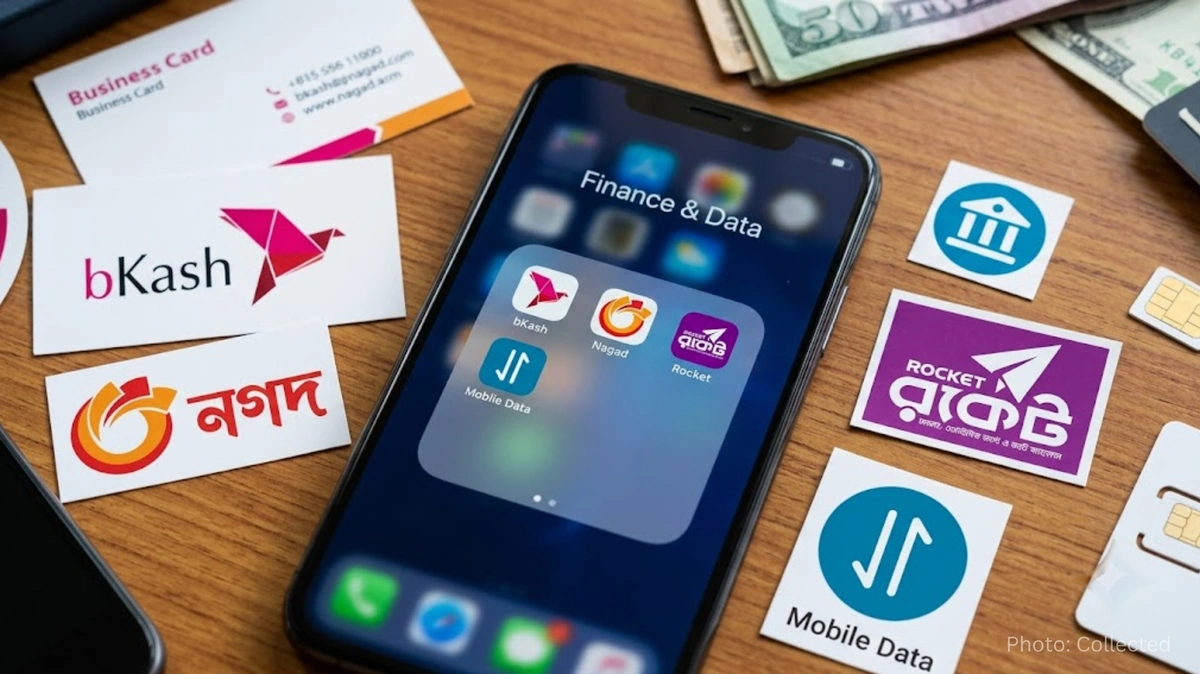
Bangladesh has also witnessed strong growth in online commerce. Increasing smartphone penetration, affordable mobile internet and the expansion of mobile financial services have encouraged more consumers to shop online. Local and international marketplaces now offer a wide variety of products, while social media platforms have become important channels for small businesses and entrepreneurs to reach customers.
International media organizations including Reuters, BBC News, CNN and The Associated Press have reported that online shopping surged significantly following the COVID 19 pandemic, accelerating the shift toward digital retail. Although consumer demand has stabilized since then, experts say e commerce remains one of the fastest growing sectors because of convenience, competitive pricing and wider product selection.
Consumer protection agencies recommend verifying the credibility of online sellers before making a purchase. Buyers are encouraged to check customer reviews, seller ratings, return policies and contact information. Shopping through official websites or verified marketplace stores reduces the likelihood of counterfeit products and fraudulent transactions.
Price comparison is another important step. Technology experts advise consumers to compare prices across multiple retailers rather than purchasing from the first listing they encounter. Seasonal discounts, promotional campaigns and cashback offers may provide savings, but unusually low prices should be treated with caution because they can indicate counterfeit goods or online scams.
Cybersecurity specialists also emphasize the importance of protecting personal and financial information. Experts recommend using secure payment methods, enabling two factor authentication where available and avoiding purchases over unsecured public Wi Fi networks. Shoppers are also advised not to share one time passwords, banking credentials or verification codes with anyone claiming to represent a retailer or financial institution.
The Organisation for Economic Co operation and Development (OECD) notes that understanding return and refund policies is essential before completing any online purchase. Consumers should carefully review delivery timelines, warranty conditions, cancellation procedures and customer support options, particularly when buying high value products such as smartphones, home appliances or electronics.
Bangladesh's Directorate of National Consumer Rights Protection (DNCRP) and Bangladesh Bank have repeatedly advised consumers to remain cautious of fake online stores, fraudulent social media advertisements and phishing messages requesting payment information. Authorities encourage shoppers to report suspicious sellers and preserve receipts, invoices and transaction records in case disputes arise.
Delivery verification has also become increasingly important. Consumer advocates recommend inspecting products immediately after delivery to ensure they match the advertised description and are free from defects. Many reputable online marketplaces now offer return windows and dispute resolution systems to protect buyers if products arrive damaged or differ significantly from the listing.
Environmental experts are also encouraging responsible online shopping. As e commerce grows, packaging waste and delivery related emissions have become important sustainability concerns. Consumers are increasingly choosing businesses that use recyclable packaging, reduce unnecessary plastic and offer environmentally responsible delivery options.
Artificial intelligence is also reshaping online shopping. Major retailers are using AI powered recommendation systems, virtual shopping assistants and personalized search results to improve customer experiences. While these technologies help consumers discover products more efficiently, privacy experts advise users to review data sharing preferences and understand how personal information is collected and used.
Economists say e commerce is creating new opportunities for entrepreneurs, logistics companies and digital payment providers while supporting employment across retail, technology and transportation sectors. Small businesses in Bangladesh are increasingly using online platforms to reach customers nationwide, contributing to digital economic growth and expanding market access.
As online shopping becomes more deeply integrated into everyday life, experts agree that informed purchasing decisions, stronger cybersecurity awareness and greater consumer protection will be essential to ensuring a safe and trustworthy digital marketplace. Responsible shopping practices, combined with effective regulation and secure payment systems, are expected to support the continued growth of Bangladesh's digital economy.
According to the United Nations Conference on Trade and Development (UNCTAD), global e commerce has experienced rapid growth over the past decade, supported by rising internet access, smartphone adoption and digital payment systems. Online retail now plays a significant role in both developed and emerging economies, allowing businesses to reach customers beyond traditional physical stores.
Bangladesh has also witnessed strong growth in online commerce. Increasing smartphone penetration, affordable mobile internet and the expansion of mobile financial services have encouraged more consumers to shop online. Local and international marketplaces now offer a wide variety of products, while social media platforms have become important channels for small businesses and entrepreneurs to reach customers.
International media organizations including Reuters, BBC News, CNN and The Associated Press have reported that online shopping surged significantly following the COVID 19 pandemic, accelerating the shift toward digital retail. Although consumer demand has stabilized since then, experts say e commerce remains one of the fastest growing sectors because of convenience, competitive pricing and wider product selection.
Consumer protection agencies recommend verifying the credibility of online sellers before making a purchase. Buyers are encouraged to check customer reviews, seller ratings, return policies and contact information. Shopping through official websites or verified marketplace stores reduces the likelihood of counterfeit products and fraudulent transactions.
Price comparison is another important step. Technology experts advise consumers to compare prices across multiple retailers rather than purchasing from the first listing they encounter. Seasonal discounts, promotional campaigns and cashback offers may provide savings, but unusually low prices should be treated with caution because they can indicate counterfeit goods or online scams.
Cybersecurity specialists also emphasize the importance of protecting personal and financial information. Experts recommend using secure payment methods, enabling two factor authentication where available and avoiding purchases over unsecured public Wi Fi networks. Shoppers are also advised not to share one time passwords, banking credentials or verification codes with anyone claiming to represent a retailer or financial institution.
The Organisation for Economic Co operation and Development (OECD) notes that understanding return and refund policies is essential before completing any online purchase. Consumers should carefully review delivery timelines, warranty conditions, cancellation procedures and customer support options, particularly when buying high value products such as smartphones, home appliances or electronics.
Bangladesh's Directorate of National Consumer Rights Protection (DNCRP) and Bangladesh Bank have repeatedly advised consumers to remain cautious of fake online stores, fraudulent social media advertisements and phishing messages requesting payment information. Authorities encourage shoppers to report suspicious sellers and preserve receipts, invoices and transaction records in case disputes arise.
Delivery verification has also become increasingly important. Consumer advocates recommend inspecting products immediately after delivery to ensure they match the advertised description and are free from defects. Many reputable online marketplaces now offer return windows and dispute resolution systems to protect buyers if products arrive damaged or differ significantly from the listing.
Environmental experts are also encouraging responsible online shopping. As e commerce grows, packaging waste and delivery related emissions have become important sustainability concerns. Consumers are increasingly choosing businesses that use recyclable packaging, reduce unnecessary plastic and offer environmentally responsible delivery options.
Artificial intelligence is also reshaping online shopping. Major retailers are using AI powered recommendation systems, virtual shopping assistants and personalized search results to improve customer experiences. While these technologies help consumers discover products more efficiently, privacy experts advise users to review data sharing preferences and understand how personal information is collected and used.
Economists say e commerce is creating new opportunities for entrepreneurs, logistics companies and digital payment providers while supporting employment across retail, technology and transportation sectors. Small businesses in Bangladesh are increasingly using online platforms to reach customers nationwide, contributing to digital economic growth and expanding market access.
As online shopping becomes more deeply integrated into everyday life, experts agree that informed purchasing decisions, stronger cybersecurity awareness and greater consumer protection will be essential to ensuring a safe and trustworthy digital marketplace. Responsible shopping practices, combined with effective regulation and secure payment systems, are expected to support the continued growth of Bangladesh's digital economy.
🏷️ Tags:
#E-Commerce
Related News




You may like




Tom Holland Says Marvel Has a Plan for the Next Spider-Man
August 1, 2026
Elected News
-
Bangladesh Seeks UN Women Support on Digital Harassment and Women’s Empowerment
-
Bangladesh, Australia Discuss Human Trafficking, Irregular Migration and Rohingya Crisis
-
Bangladesh Plans Internet-Free Access to Mobile Banking and Financial Apps
-
DU to Open Undergraduate Admission Applications on 11 November, Tests Begin 5 December


