Bangladesh Considering Border Fencing Along Myanmar and Sensitive India Frontier Areas, Home Minister Tells Parliament
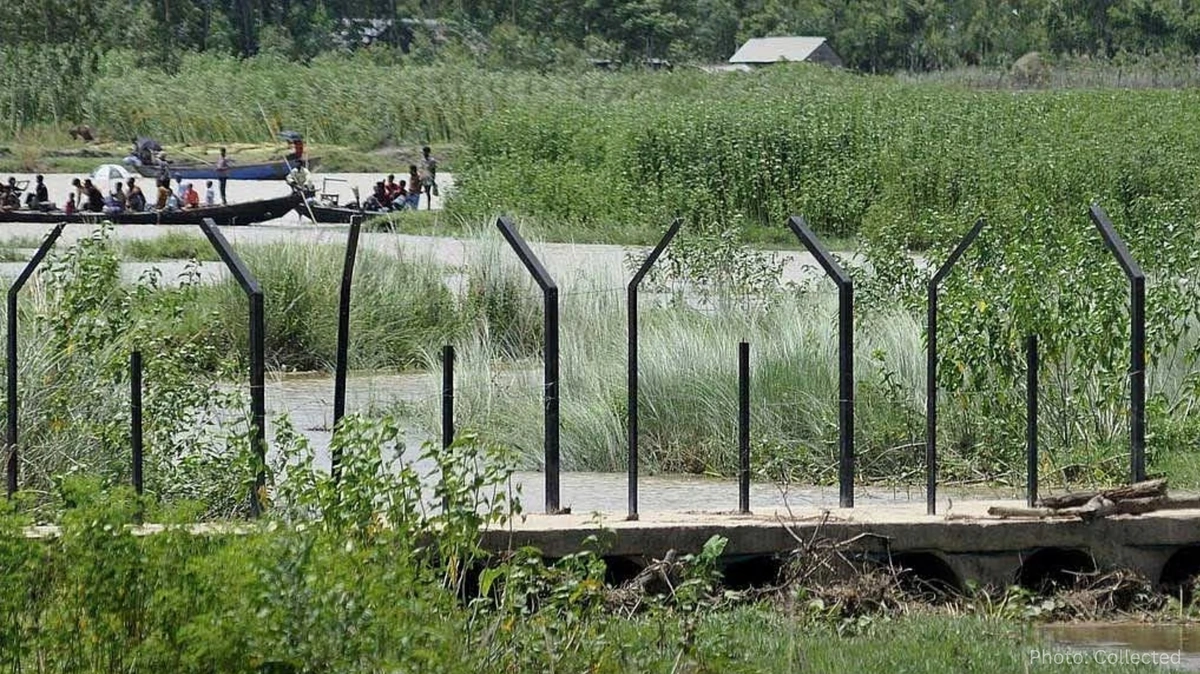
Bangladesh is considering the construction of barbed-wire fencing along parts of its borders with Myanmar and India to enhance security, curb cross-border crime, and prevent illegal infiltration, Home Minister Salahuddin Ahmed informed Parliament on Wednesday.
The Bangladesh government is considering the construction of additional barbed-wire fencing along sections of its borders with Myanmar and India as part of broader efforts to strengthen border security and combat cross-border crime, Home Minister Salahuddin Ahmed told Parliament on Wednesday.
The minister disclosed the information in written responses to questions from lawmakers during a session of the Jatiya Sangsad. The parliamentary sitting was chaired by Speaker Hafiz Uddin Ahmed.
According to the Home Minister, the government has already initiated measures to construct fencing along the Myanmar border to address a range of security challenges, including illegal crossings, narcotics trafficking, arms smuggling, ammunition movement, and other transnational crimes. He added that authorities are also considering plans to expand fencing in sensitive areas along the border with India.
The remarks come amid ongoing concerns regarding border management and cross-border movements in several frontier regions. Officials believe that enhanced physical infrastructure could improve surveillance capabilities and assist law enforcement agencies in maintaining greater control over vulnerable border zones.
During his parliamentary response, Salahuddin Ahmed also provided updated figures regarding alleged push-in incidents from India. He stated that since August 5, 2024, a total of 2,369 individuals reportedly pushed into Bangladesh by India’s border authorities had been identified. Of those, 11 individuals were handed back to Indian authorities, while 183 were pushed back across the border. The remaining individuals were transferred to local police stations for further processing and verification.
The minister further noted that Bangladesh border guards had successfully prevented 36 separate push-in attempts by India’s border security forces following the West Bengal state elections. He emphasized that border security agencies remain vigilant in monitoring unauthorized movements and maintaining territorial integrity.
Border issues have long been a sensitive aspect of relations between Bangladesh and India, particularly concerning allegations of illegal crossings, smuggling activities, and incidents involving civilians near frontier areas. While both countries maintain extensive cooperation on security matters, disputes occasionally arise over enforcement practices and border management policies.
Responding to a separate question from a reserved-seat member of parliament, the Home Minister addressed concerns regarding civilian deaths along the Bangladesh-India border. He described incidents involving the killing of Bangladeshi citizens by the Indian Border Security Force (BSF) as deeply unfortunate and a clear violation of human rights.
According to the minister, Bangladesh has repeatedly raised the issue during high-level meetings between the Border Guard Bangladesh and the Border Security Force. He said the matter has been strongly presented at director-general level border conferences, with Bangladesh consistently urging restraint and accountability.
Salahuddin Ahmed also stated that no formal agreement currently exists regarding direct financial compensation from the Indian government to the families of Bangladeshi citizens killed in border incidents. However, he noted that Bangladesh has consistently opposed the use of lethal force under claims of self-defense and has continued to press for accountability and compensation through diplomatic channels.
Security analysts say the proposed fencing initiative reflects a broader regional trend toward strengthening border infrastructure amid concerns over illegal migration, organized crime, and trafficking networks. Supporters of the plan argue that improved border controls could help reduce criminal activities and enhance national security.
At the same time, human rights advocates emphasize the importance of balancing security measures with humanitarian considerations, particularly in areas where local communities depend on cross-border social and economic interactions.
The government has not yet announced a timeline for the proposed projects, but officials indicate that feasibility assessments and planning activities are ongoing. If approved, the expansion of border fencing would represent one of the most significant border security initiatives undertaken in recent years as Bangladesh seeks to address evolving security challenges along its frontiers.
Related News





You may like




Tom Holland Says Marvel Has a Plan for the Next Spider-Man
August 1, 2026
Elected News
-
Bangladesh Seeks UN Women Support on Digital Harassment and Women’s Empowerment
-
Bangladesh, Australia Discuss Human Trafficking, Irregular Migration and Rohingya Crisis
-
Bangladesh Plans Internet-Free Access to Mobile Banking and Financial Apps
-
DU to Open Undergraduate Admission Applications on 11 November, Tests Begin 5 December


