Clean Energy and Solar Power Adoption Accelerate as Countries Pursue Sustainable Growth
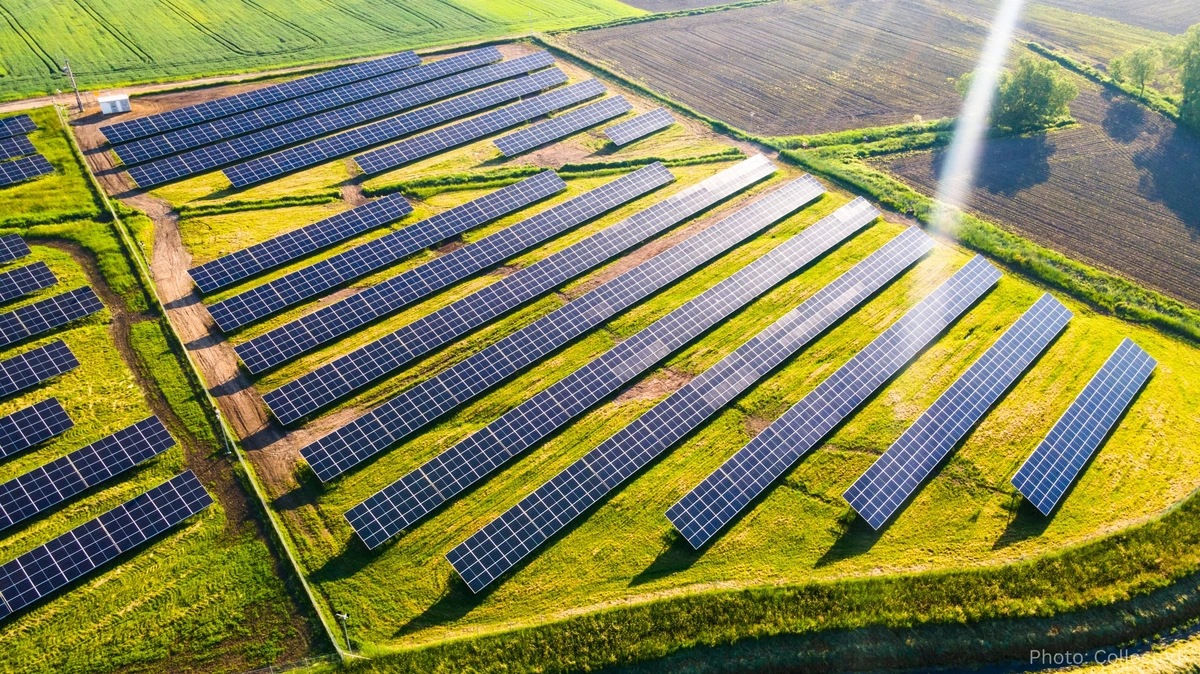
Governments, businesses, and households worldwide are increasingly embracing clean energy solutions, with solar power emerging as one of the fastest-growing sources of electricity amid efforts to reduce carbon emissions and strengthen energy security.
The global transition toward clean energy is gaining momentum as countries invest heavily in renewable technologies to meet growing energy demands while addressing climate change. Among the various renewable energy sources, solar power has become one of the most widely adopted and rapidly expanding solutions, transforming how electricity is generated and consumed across both developed and developing nations.
Driven by technological advancements, declining installation costs, and increasing environmental awareness, solar energy has evolved from a niche technology into a mainstream component of national energy strategies. Governments around the world are introducing policies and incentives to encourage households, industries, and utility providers to shift toward renewable energy sources.
Solar power works by converting sunlight into electricity through photovoltaic panels. As solar technology becomes more efficient and affordable, adoption rates have increased significantly over the past decade. Industry experts note that solar energy now represents one of the most cost-effective sources of electricity in many regions.
For countries facing rising energy demand, renewable energy offers an opportunity to diversify power generation and reduce dependence on imported fossil fuels. Energy security has become a major factor driving investment in domestic renewable resources, particularly as global fuel markets experience periodic volatility.
Bangladesh has also been expanding its renewable energy initiatives. Solar home systems have played an important role in providing electricity access to rural communities, especially in areas where traditional grid connections were previously limited. Over the years, these systems have improved access to lighting, communication, education, and economic opportunities for thousands of households.
In urban areas, rooftop solar installations are becoming increasingly popular among businesses, institutions, and residential property owners. Rising electricity demand and growing awareness of environmental sustainability have encouraged investment in distributed solar power generation.
Environmental experts highlight the significant climate benefits of solar energy. Unlike fossil fuel-based power plants, solar systems generate electricity without producing greenhouse gas emissions during operation. As countries work toward international climate commitments, renewable energy deployment is viewed as a critical component of long-term decarbonization strategies.
Beyond environmental benefits, the renewable energy sector is creating new economic opportunities. Solar panel manufacturing, installation, maintenance, engineering services, and energy management industries have generated millions of jobs globally. Experts believe the transition to clean energy could become a major source of employment growth in the coming decades.
Technological innovation continues to improve the performance of solar systems. Modern photovoltaic panels are more efficient than earlier generations, while advancements in battery storage technology are helping address one of the sector's traditional challenges: the intermittent nature of solar power production.
Energy storage systems allow excess electricity generated during sunny periods to be stored for use during evenings or cloudy conditions. This capability is enhancing the reliability of renewable energy and supporting broader integration into national power grids.
Despite rapid progress, challenges remain. Large-scale renewable energy deployment requires significant investment in infrastructure, transmission networks, and energy storage solutions. Financing constraints, regulatory barriers, and land availability concerns can also affect project implementation.
Experts argue that supportive government policies are essential for sustaining growth in the renewable energy sector. Tax incentives, financing mechanisms, net-metering programs, and clear regulatory frameworks can help encourage both public and private sector participation.
International cooperation is also playing an increasingly important role. Development agencies, climate funds, and multilateral institutions are supporting renewable energy projects in developing countries through technical assistance and financial support.
Businesses are becoming major participants in the clean energy transition as well. Many corporations have announced sustainability targets and are investing in renewable energy to reduce operational costs and improve environmental performance.
Consumers are likewise demonstrating growing interest in sustainable energy solutions. Public awareness of climate change, combined with technological accessibility, has contributed to increasing demand for solar products and energy-efficient technologies.
Energy analysts predict that solar power will continue to play a central role in the future global energy mix. As costs decline further and technology continues to advance, solar energy is expected to become even more competitive relative to conventional energy sources.
In conclusion, the adoption of clean energy and solar power is reshaping the global energy landscape. While challenges remain, the combination of environmental benefits, economic opportunities, and technological progress is driving unprecedented growth in the sector. For countries seeking sustainable development, energy security, and climate resilience, solar power is increasingly viewed not merely as an alternative energy source but as a cornerstone of the future energy economy.
Related News



You may like




Tom Holland Says Marvel Has a Plan for the Next Spider-Man
August 1, 2026
Elected News
-
Bangladesh Seeks UN Women Support on Digital Harassment and Women’s Empowerment
-
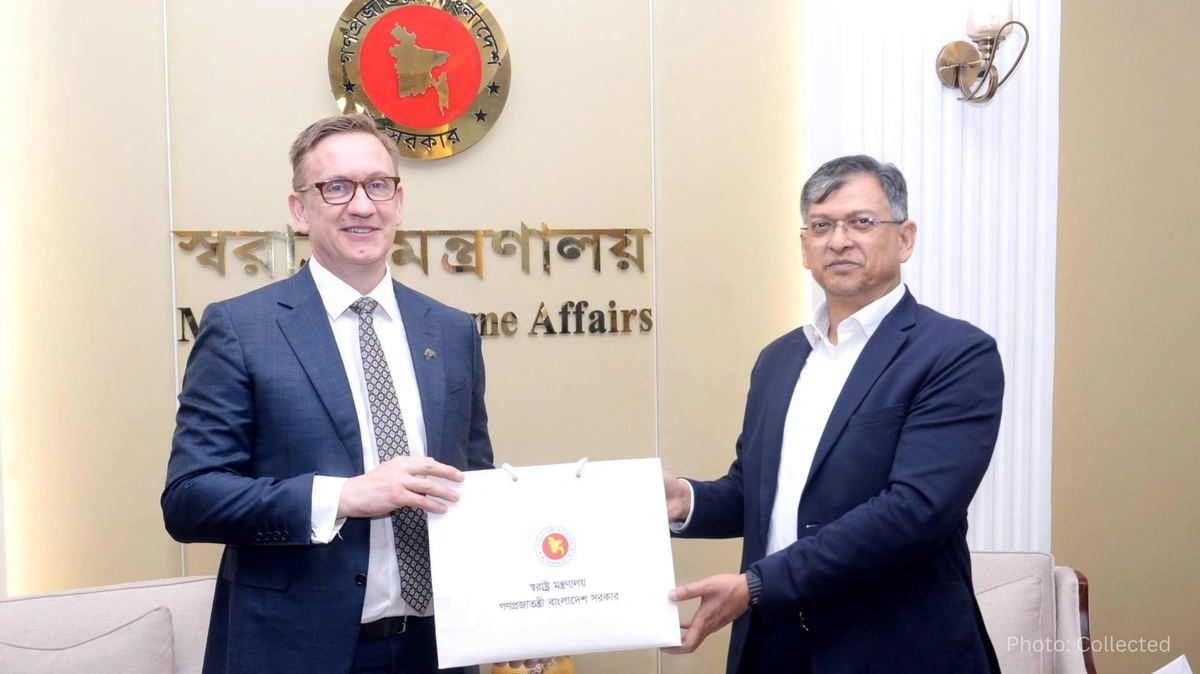
Bangladesh, Australia Discuss Human Trafficking, Irregular Migration and Rohingya Crisis
-
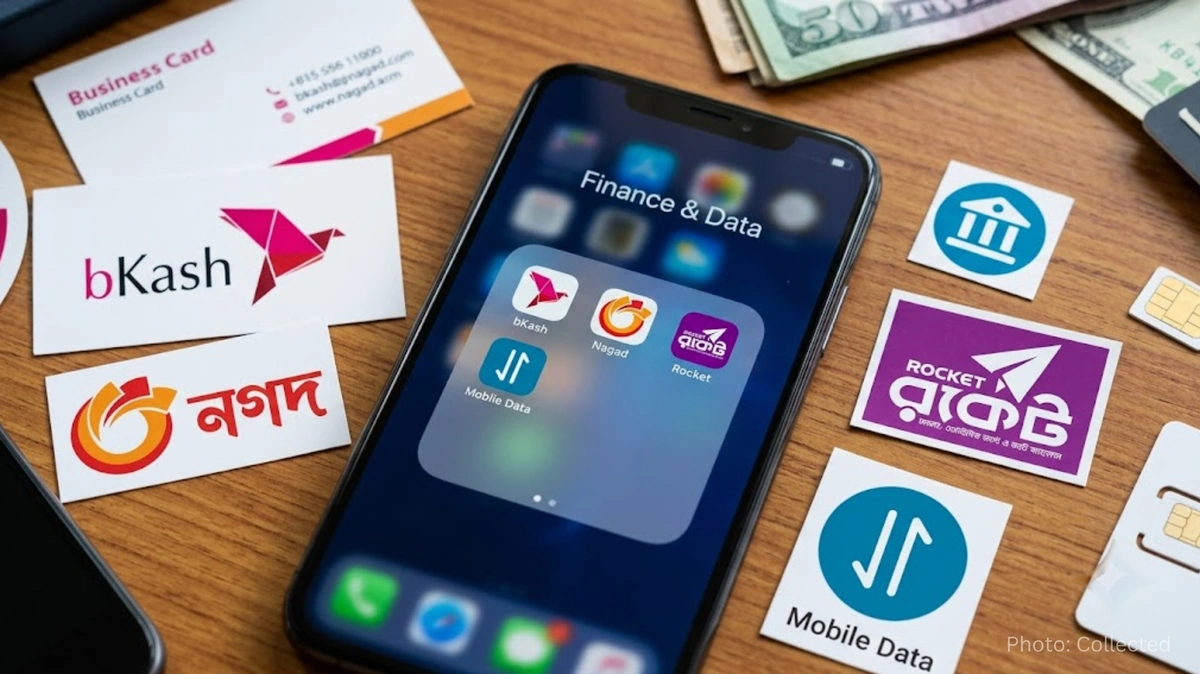
Bangladesh Plans Internet-Free Access to Mobile Banking and Financial Apps
-
DU to Open Undergraduate Admission Applications on 11 November, Tests Begin 5 December


