Disability Inclusion in Bangladesh Advances, but Accessibility and Equal Opportunities Remain Key Challenges
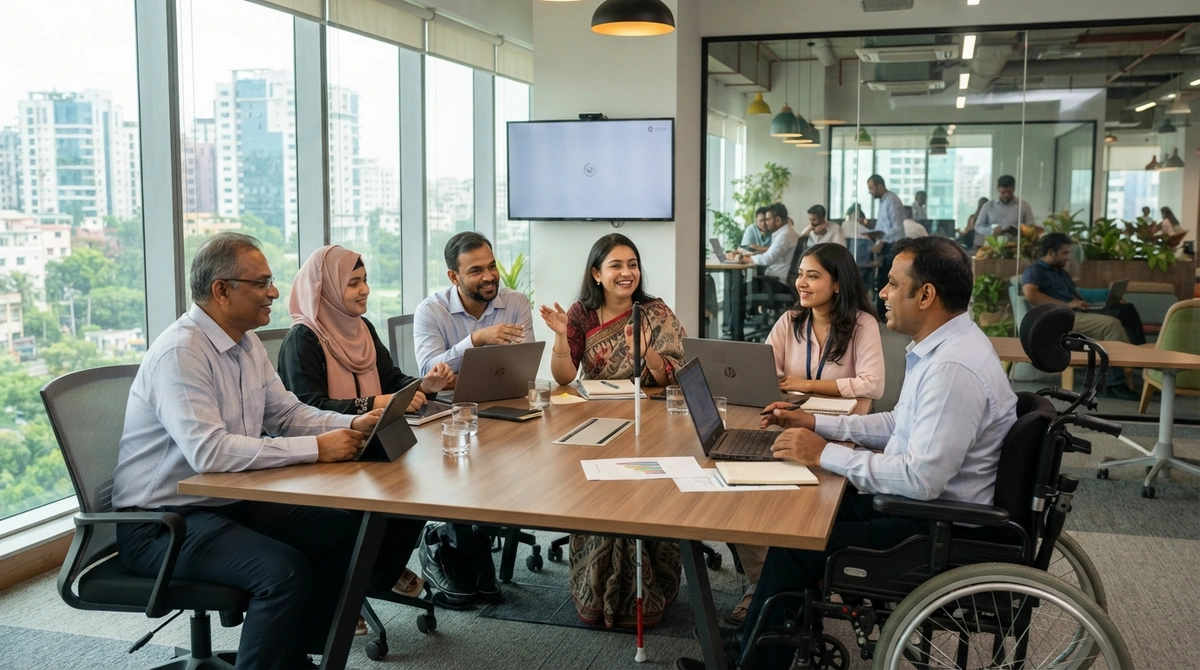
Bangladesh has strengthened legal protections and expanded social support for persons with disabilities, yet advocates say greater investment in accessible infrastructure, inclusive education and employment is needed to achieve full participation in society.
Bangladesh has made notable progress in promoting the rights and inclusion of persons with disabilities over the past decade, but experts and rights organizations say significant barriers continue to limit equal access to education, employment, healthcare and public services.
According to the World Health Organization (WHO), around 16 percent of the global population, or approximately 1.3 billion people, live with a significant disability. As populations grow older and chronic health conditions increase, disability inclusion has become a major development priority worldwide. The United Nations emphasizes that disability is both a human rights issue and a development issue, requiring equal access to opportunities and participation in all aspects of society.
Bangladesh is a signatory to the United Nations Convention on the Rights of Persons with Disabilities (CRPD), committing the country to protect the rights and dignity of persons with disabilities. The government further strengthened these commitments through the Rights and Protection of Persons with Disabilities Act, 2013, which guarantees equal rights, prohibits discrimination and promotes accessibility in education, employment, healthcare and public facilities.
Despite these legal protections, implementation remains a challenge. UNICEF and disability rights organizations report that many children with disabilities continue to face difficulties enrolling in mainstream schools because of inaccessible buildings, shortages of trained teachers and limited availability of learning materials tailored to their needs. Experts say inclusive education is essential to improving long term employment and social participation.
Employment opportunities also remain limited. According to the International Labour Organization (ILO), persons with disabilities are more likely to experience unemployment or underemployment than the general population. In Bangladesh, many people with disabilities work in informal sectors where wages are lower and social protection is limited. Advocacy groups are urging employers to improve workplace accessibility and expand inclusive hiring practices across both public and private sectors.
Accessible infrastructure continues to be another major concern. Although Bangladesh has introduced accessibility guidelines for public buildings and transportation, disability advocates say many government offices, hospitals, schools, footpaths and public transport systems remain difficult to use for people with physical, visual or hearing impairments. They argue that universal design principles should become a standard part of urban planning and future infrastructure projects.
Digital accessibility has emerged as a growing area of focus. As government services, education and banking increasingly move online, organizations including the United Nations Development Programme (UNDP) have encouraged countries to ensure websites, mobile applications and digital platforms are accessible for users with disabilities through screen reader compatibility, captioning and other assistive technologies.
Bangladesh has also expanded several social protection initiatives, including disability allowances, education stipends and rehabilitation services. The Ministry of Social Welfare, together with development partners, has introduced vocational training and community based rehabilitation programs aimed at improving independent living and economic participation. However, experts note that demand for these services continues to exceed available resources.
Rights organizations stress that social attitudes remain one of the biggest obstacles to inclusion. Many persons with disabilities continue to face stigma, discrimination and exclusion from community activities despite legal protections. Awareness campaigns, inclusive education and stronger enforcement of anti discrimination laws are widely seen as essential to changing public perceptions.
The United Nations' Sustainable Development Goals (SDGs) place disability inclusion at the center of efforts to reduce inequality and promote inclusive development. Experts say Bangladesh has laid an important legal foundation, but achieving meaningful inclusion will require stronger enforcement of existing laws, increased investment in accessible infrastructure, expanded employment opportunities and greater participation of persons with disabilities in policymaking.
As Bangladesh continues its economic and social development, policymakers and disability advocates agree that ensuring equal opportunities for every citizen, regardless of physical or intellectual ability, will be critical to building a more inclusive and sustainable future.
According to the World Health Organization (WHO), around 16 percent of the global population, or approximately 1.3 billion people, live with a significant disability. As populations grow older and chronic health conditions increase, disability inclusion has become a major development priority worldwide. The United Nations emphasizes that disability is both a human rights issue and a development issue, requiring equal access to opportunities and participation in all aspects of society.
Bangladesh is a signatory to the United Nations Convention on the Rights of Persons with Disabilities (CRPD), committing the country to protect the rights and dignity of persons with disabilities. The government further strengthened these commitments through the Rights and Protection of Persons with Disabilities Act, 2013, which guarantees equal rights, prohibits discrimination and promotes accessibility in education, employment, healthcare and public facilities.
Despite these legal protections, implementation remains a challenge. UNICEF and disability rights organizations report that many children with disabilities continue to face difficulties enrolling in mainstream schools because of inaccessible buildings, shortages of trained teachers and limited availability of learning materials tailored to their needs. Experts say inclusive education is essential to improving long term employment and social participation.
Employment opportunities also remain limited. According to the International Labour Organization (ILO), persons with disabilities are more likely to experience unemployment or underemployment than the general population. In Bangladesh, many people with disabilities work in informal sectors where wages are lower and social protection is limited. Advocacy groups are urging employers to improve workplace accessibility and expand inclusive hiring practices across both public and private sectors.
Accessible infrastructure continues to be another major concern. Although Bangladesh has introduced accessibility guidelines for public buildings and transportation, disability advocates say many government offices, hospitals, schools, footpaths and public transport systems remain difficult to use for people with physical, visual or hearing impairments. They argue that universal design principles should become a standard part of urban planning and future infrastructure projects.
Digital accessibility has emerged as a growing area of focus. As government services, education and banking increasingly move online, organizations including the United Nations Development Programme (UNDP) have encouraged countries to ensure websites, mobile applications and digital platforms are accessible for users with disabilities through screen reader compatibility, captioning and other assistive technologies.
Bangladesh has also expanded several social protection initiatives, including disability allowances, education stipends and rehabilitation services. The Ministry of Social Welfare, together with development partners, has introduced vocational training and community based rehabilitation programs aimed at improving independent living and economic participation. However, experts note that demand for these services continues to exceed available resources.
Rights organizations stress that social attitudes remain one of the biggest obstacles to inclusion. Many persons with disabilities continue to face stigma, discrimination and exclusion from community activities despite legal protections. Awareness campaigns, inclusive education and stronger enforcement of anti discrimination laws are widely seen as essential to changing public perceptions.
The United Nations' Sustainable Development Goals (SDGs) place disability inclusion at the center of efforts to reduce inequality and promote inclusive development. Experts say Bangladesh has laid an important legal foundation, but achieving meaningful inclusion will require stronger enforcement of existing laws, increased investment in accessible infrastructure, expanded employment opportunities and greater participation of persons with disabilities in policymaking.
As Bangladesh continues its economic and social development, policymakers and disability advocates agree that ensuring equal opportunities for every citizen, regardless of physical or intellectual ability, will be critical to building a more inclusive and sustainable future.
Related News

You may like



Tom Holland Says Marvel Has a Plan for the Next Spider-Man
August 1, 2026
Elected News
-
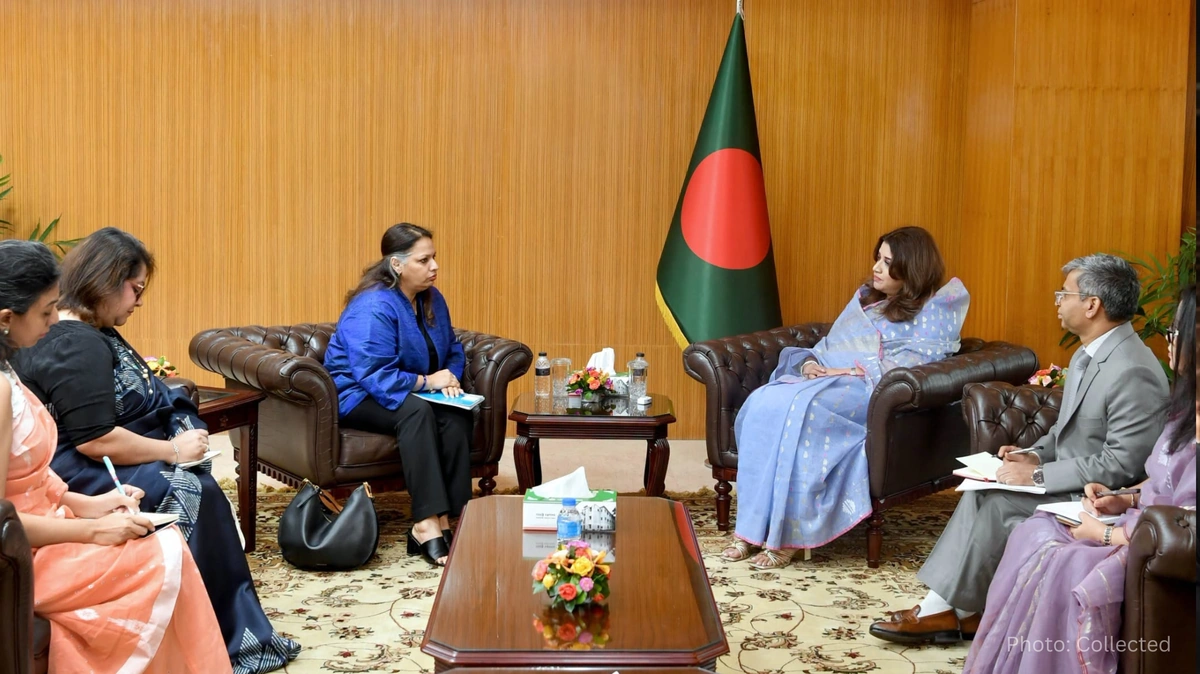
Bangladesh Seeks UN Women Support on Digital Harassment and Women’s Empowerment
-
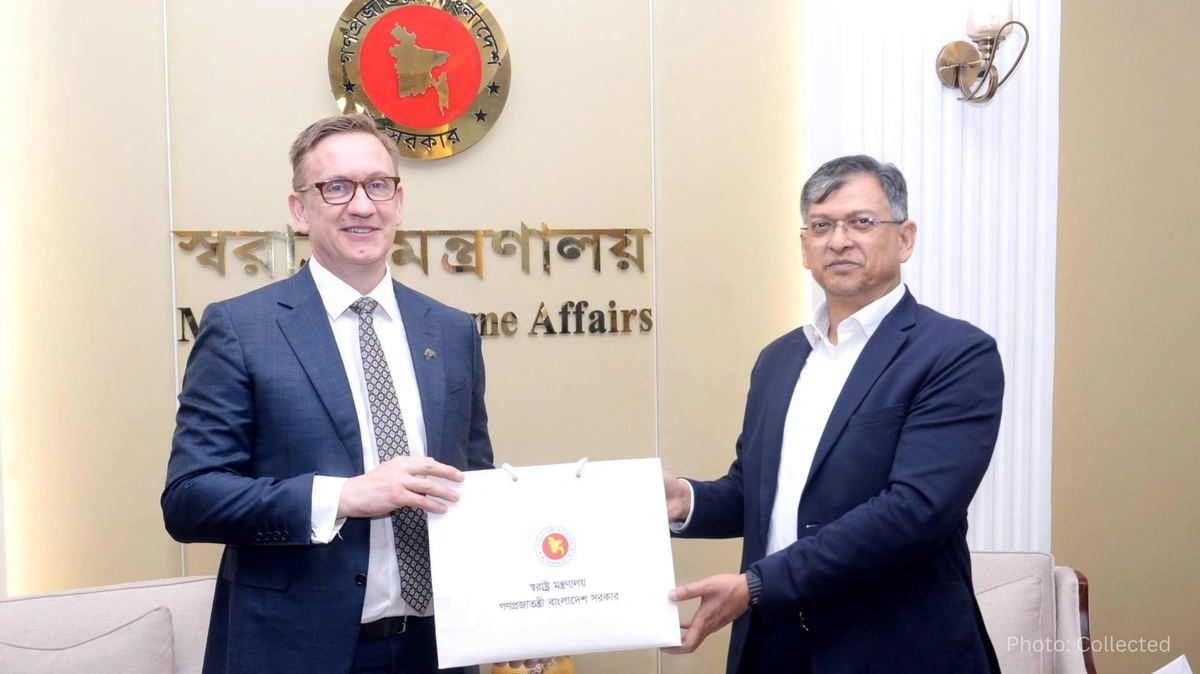
Bangladesh, Australia Discuss Human Trafficking, Irregular Migration and Rohingya Crisis
-
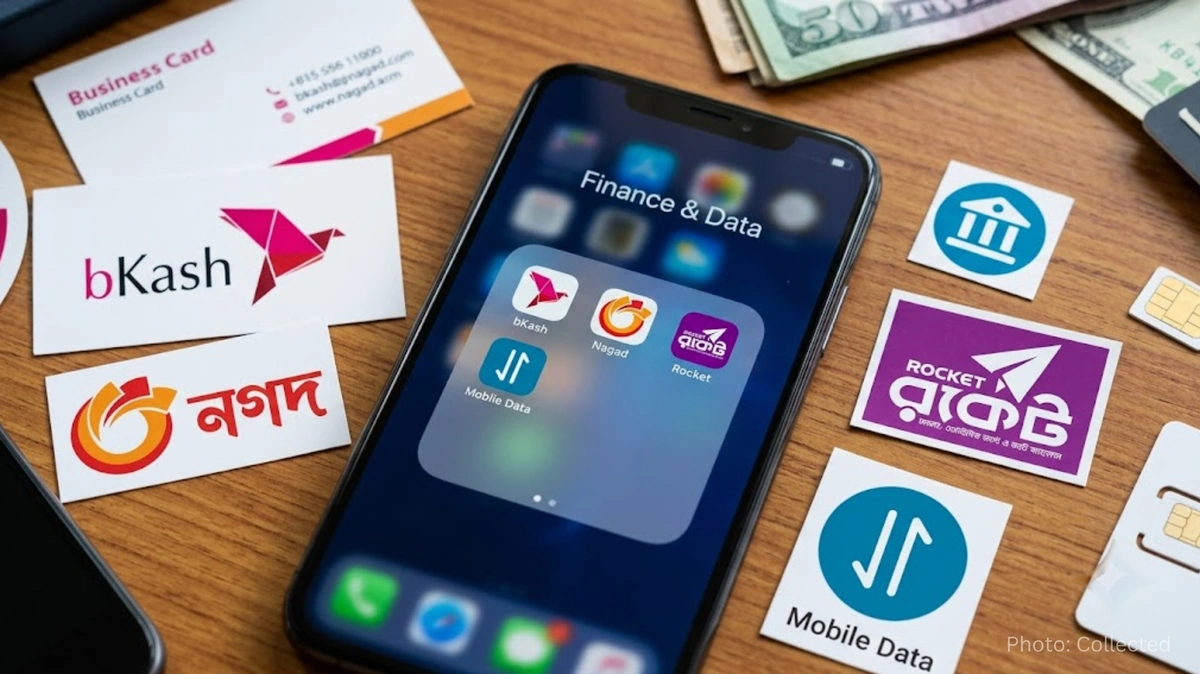
Bangladesh Plans Internet-Free Access to Mobile Banking and Financial Apps
-
DU to Open Undergraduate Admission Applications on 11 November, Tests Begin 5 December


