Senior Citizen Care and Elder Rights Gain Global Attention as Ageing Population Grows
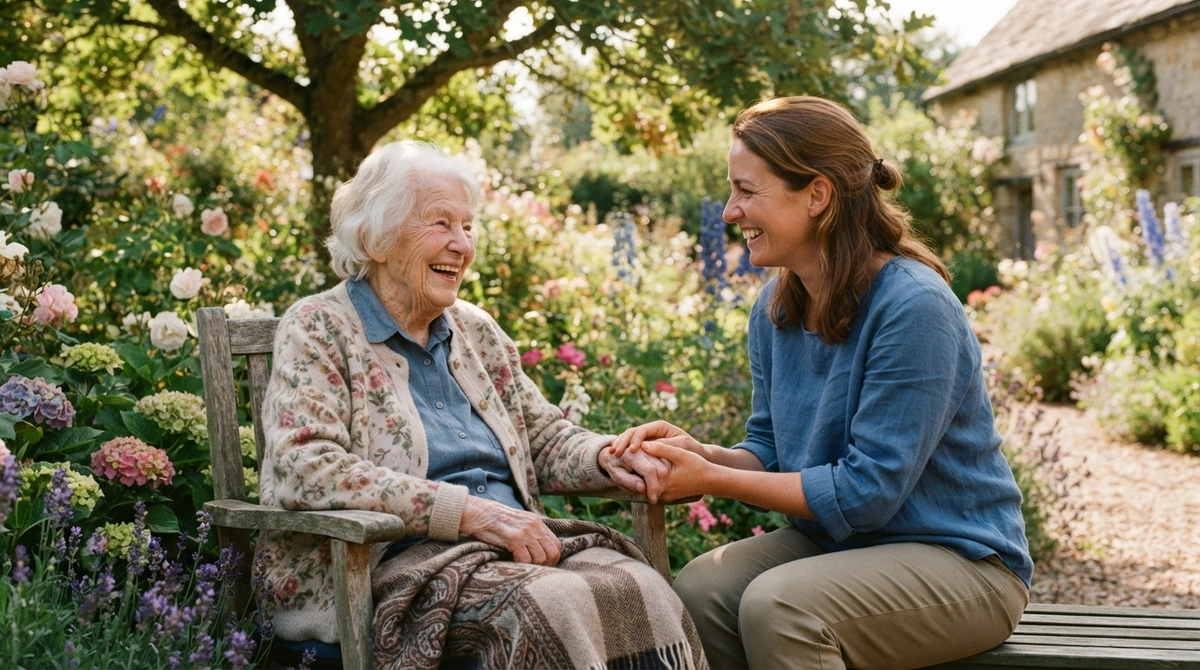
Governments and international organizations are expanding efforts to protect older adults through improved healthcare, financial security and stronger legal safeguards against abuse, neglect and discrimination.
The growing global population of older adults has brought renewed attention to senior citizen care and elder rights, with governments, healthcare experts and international organizations calling for stronger policies to ensure older people live with dignity, independence and equal access to essential services.
According to the World Health Organization (WHO), the number of people aged 60 years and above is expected to rise from around 1.1 billion in 2023 to approximately 1.4 billion by 2030. By 2050, the global population of older adults is projected to reach more than 2.1 billion, making population ageing one of the most significant demographic shifts of the century. This trend is increasing demand for healthcare, social protection and long term care services worldwide.
The United Nations has emphasized that older people have the same human rights and fundamental freedoms as every other individual. Through the UN Decade of Healthy Ageing (2021 to 2030), governments are being encouraged to improve access to quality healthcare, create age friendly communities and eliminate discrimination based on age. The initiative also promotes social inclusion and stronger support systems for family caregivers.
Healthcare experts say many older adults face multiple challenges beyond medical conditions. Social isolation, limited mobility, inadequate income, rising healthcare costs and a lack of accessible public services often reduce quality of life. These issues became more visible during the COVID-19 pandemic, when older people experienced higher health risks and prolonged periods of isolation, prompting many countries to reassess elder care policies.
The World Health Organization estimates that one in six people aged 60 years and older experiences some form of abuse in community settings each year. Elder abuse includes physical, emotional, psychological and financial abuse, as well as neglect. Experts warn that many cases remain unreported because victims depend on caregivers or family members for daily support. International organizations continue to urge governments to strengthen reporting systems and legal protections for vulnerable older adults.
Financial security also remains a major concern for ageing populations. The International Labour Organization (ILO) has reported that although access to pensions has expanded in many countries, millions of older people still lack adequate income security. Rising living costs and increasing life expectancy have placed additional pressure on pension systems, particularly in low and middle income countries where social protection coverage remains limited.
Several countries have introduced new measures to strengthen elder rights. These include expanding home based healthcare, improving long term care services, increasing pension benefits and establishing legal protections against age discrimination. Many governments are also investing in digital health technologies and community support programs to help older adults remain independent for longer periods.
Bangladesh is also experiencing a steady increase in its elderly population. According to government and development agencies, improvements in healthcare and life expectancy have contributed to a growing number of senior citizens. Experts say the country will need to strengthen healthcare infrastructure, pension coverage, community based care and legal protections to meet the needs of an ageing society. They also stress the importance of supporting family caregivers, who continue to provide the majority of elder care.
Human rights organizations argue that elder rights should be viewed as a core part of national development rather than solely a social welfare issue. They recommend expanding universal healthcare coverage, improving access to affordable medicines, strengthening legal aid services, protecting older adults from financial exploitation and ensuring their participation in social and economic life.
As life expectancy continues to increase across the world, policymakers say creating inclusive and age friendly societies will be essential. Investment in healthcare, social protection and legal safeguards is expected to play a key role in ensuring that older adults live with dignity, security and equal opportunities throughout later life.
Related News




You may like




Tom Holland Says Marvel Has a Plan for the Next Spider-Man
August 1, 2026
Elected News
-
Bangladesh Seeks UN Women Support on Digital Harassment and Women’s Empowerment
-
Bangladesh, Australia Discuss Human Trafficking, Irregular Migration and Rohingya Crisis
-
Bangladesh Plans Internet-Free Access to Mobile Banking and Financial Apps
-
DU to Open Undergraduate Admission Applications on 11 November, Tests Begin 5 December


