Urban Migration Fuels Global Slum Growth as Housing Crisis Deepens
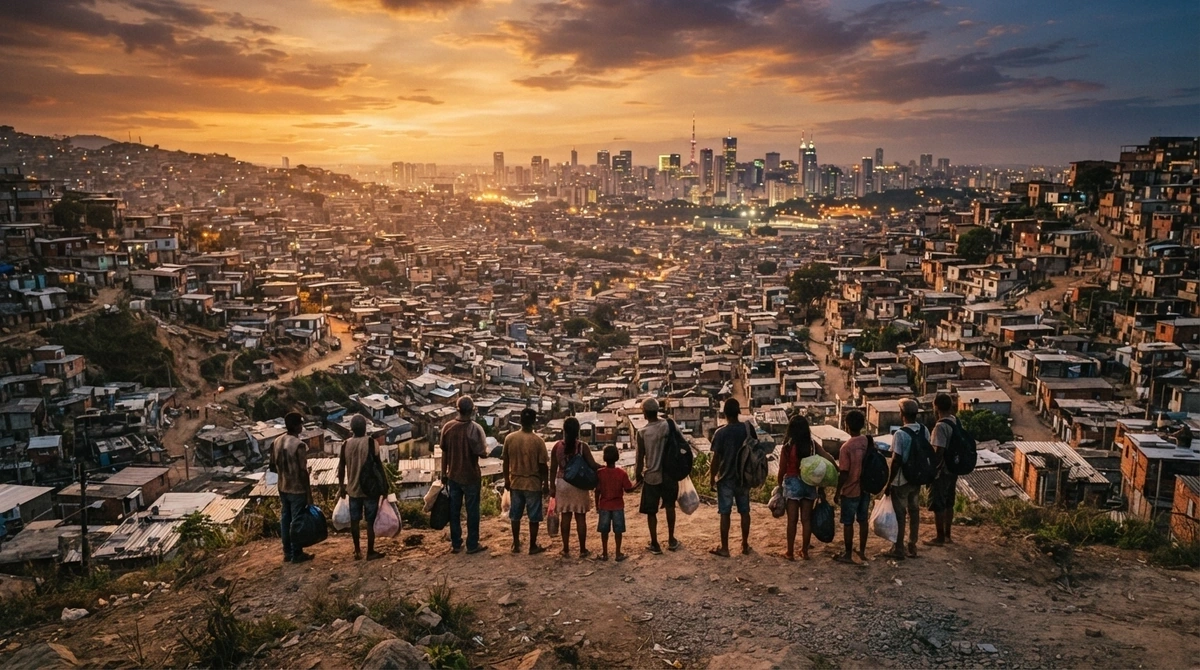
Millions continue to leave rural communities in search of jobs and better opportunities, but a shortage of affordable housing and inadequate urban planning is forcing many families into overcrowded informal settlements.
The rapid movement of people from rural areas to cities is accelerating the growth of slums across the world, highlighting an expanding urban housing crisis that governments and international organizations warn requires urgent action.
According to the latest United Nations Sustainable Development Goals (SDG) report, approximately 1.16 billion people, nearly one in four urban residents worldwide, were living in slums or informal settlements in 2024. The report projects that the number could exceed 1.2 billion by 2030 unless governments significantly increase investment in affordable housing, infrastructure and sustainable urban development.
Urban migration has long been driven by the promise of employment, education, healthcare and improved living standards. However, many fast growing cities have failed to expand housing and public services quickly enough to accommodate rising populations. As a result, thousands of new arrivals settle in informal neighborhoods where access to clean water, sanitation, electricity and secure housing remains limited.
International organizations define slums as settlements where residents lack one or more basic necessities, including safe drinking water, adequate sanitation, durable housing or secure land tenure. Health experts warn that overcrowded living conditions increase the spread of infectious diseases while limited healthcare access and poor infrastructure expose residents to additional health risks.
The United Nations says rapid urbanization is particularly affecting regions in Central and Southern Asia, Eastern and South Eastern Asia, and sub Saharan Africa, where most of the world's slum population is concentrated. Although some countries have reduced the percentage of urban residents living in slums, population growth has continued to increase the total number of people living in informal settlements.
Experts say several factors are driving urban migration. Rural poverty, unemployment, limited access to education, climate related disasters, conflict and declining agricultural incomes continue to push people toward cities. In many developing countries, climate change is becoming an increasingly important driver, forcing families displaced by floods, droughts and coastal erosion to seek shelter in urban areas, often ending up in informal settlements.
Bangladesh reflects many of these global trends. Cities such as Dhaka have experienced decades of rapid population growth as people migrate from rural districts seeking employment. Researchers note that poverty, natural disasters, river erosion and unplanned urban expansion have contributed to the steady growth of slum communities, placing additional pressure on housing, transport and public services.
Despite these challenges, urban migration remains an important source of economic opportunity. Many migrants find work in manufacturing, construction, transport and service industries that support national economic growth. Economists argue that migration itself is not the problem. Instead, insufficient investment in affordable housing, transportation, healthcare and urban planning has prevented cities from keeping pace with population growth.
Urban development specialists recommend expanding affordable housing programs, improving public transportation, strengthening land rights, upgrading informal settlements and integrating migrants into city planning. They argue that coordinated policies between national and local governments will be essential to build inclusive cities capable of supporting growing urban populations while improving living conditions for millions of residents.
According to the latest United Nations Sustainable Development Goals (SDG) report, approximately 1.16 billion people, nearly one in four urban residents worldwide, were living in slums or informal settlements in 2024. The report projects that the number could exceed 1.2 billion by 2030 unless governments significantly increase investment in affordable housing, infrastructure and sustainable urban development.
Urban migration has long been driven by the promise of employment, education, healthcare and improved living standards. However, many fast growing cities have failed to expand housing and public services quickly enough to accommodate rising populations. As a result, thousands of new arrivals settle in informal neighborhoods where access to clean water, sanitation, electricity and secure housing remains limited.
International organizations define slums as settlements where residents lack one or more basic necessities, including safe drinking water, adequate sanitation, durable housing or secure land tenure. Health experts warn that overcrowded living conditions increase the spread of infectious diseases while limited healthcare access and poor infrastructure expose residents to additional health risks.
The United Nations says rapid urbanization is particularly affecting regions in Central and Southern Asia, Eastern and South Eastern Asia, and sub Saharan Africa, where most of the world's slum population is concentrated. Although some countries have reduced the percentage of urban residents living in slums, population growth has continued to increase the total number of people living in informal settlements.
Experts say several factors are driving urban migration. Rural poverty, unemployment, limited access to education, climate related disasters, conflict and declining agricultural incomes continue to push people toward cities. In many developing countries, climate change is becoming an increasingly important driver, forcing families displaced by floods, droughts and coastal erosion to seek shelter in urban areas, often ending up in informal settlements.
Bangladesh reflects many of these global trends. Cities such as Dhaka have experienced decades of rapid population growth as people migrate from rural districts seeking employment. Researchers note that poverty, natural disasters, river erosion and unplanned urban expansion have contributed to the steady growth of slum communities, placing additional pressure on housing, transport and public services.
Despite these challenges, urban migration remains an important source of economic opportunity. Many migrants find work in manufacturing, construction, transport and service industries that support national economic growth. Economists argue that migration itself is not the problem. Instead, insufficient investment in affordable housing, transportation, healthcare and urban planning has prevented cities from keeping pace with population growth.
Urban development specialists recommend expanding affordable housing programs, improving public transportation, strengthening land rights, upgrading informal settlements and integrating migrants into city planning. They argue that coordinated policies between national and local governments will be essential to build inclusive cities capable of supporting growing urban populations while improving living conditions for millions of residents.
Related News

You may like




Tom Holland Says Marvel Has a Plan for the Next Spider-Man
August 1, 2026
Elected News
-
Bangladesh Seeks UN Women Support on Digital Harassment and Women’s Empowerment
-
Bangladesh, Australia Discuss Human Trafficking, Irregular Migration and Rohingya Crisis
-
Bangladesh Plans Internet-Free Access to Mobile Banking and Financial Apps
-
DU to Open Undergraduate Admission Applications on 11 November, Tests Begin 5 December


