Islamic Personal Finance and Halal Banking: A Practical Guide to Ethical Wealth Management
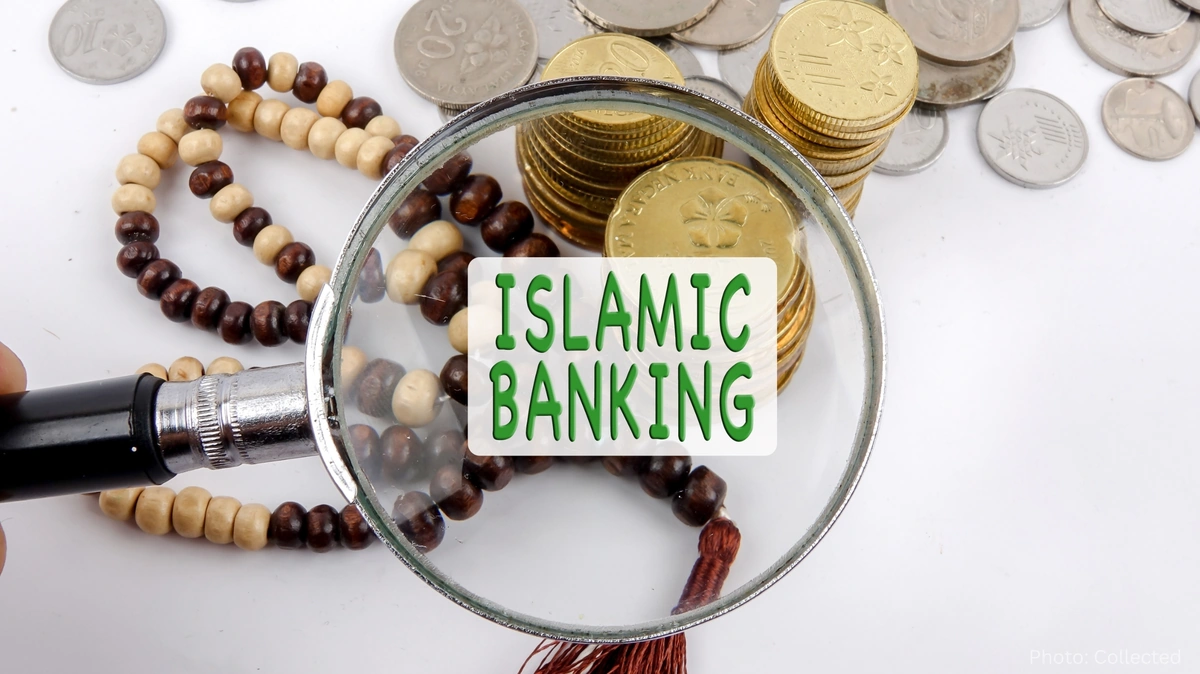
Islamic personal finance promotes ethical wealth creation by emphasizing lawful earnings, fairness, transparency, and social responsibility. As Islamic banking continues to expand globally, more individuals are turning to Shariah-compliant financial services to manage savings, investments, and financing without interest-based transactions.
Islamic personal finance has become an increasingly important part of the global financial landscape as individuals and institutions seek ethical alternatives to conventional banking. Built on the principles of Islamic law (Shariah), the system aims to ensure that financial activities are conducted fairly, responsibly, and without practices prohibited in Islam, such as charging or paying interest.
Unlike conventional finance, which often relies on fixed-interest lending, Islamic finance promotes risk-sharing, asset-backed transactions, and investments in lawful economic activities. The approach is designed not only to support financial growth but also to encourage social justice, transparency, and long-term economic stability.
At the heart of Islamic personal finance is the concept that wealth is a trust rather than an absolute possession. Individuals are encouraged to earn income through lawful means, spend responsibly, save for future needs, and contribute to society through charitable giving.
One of the most well-known principles of Islamic finance is the prohibition of riba, commonly understood as interest. Instead of earning guaranteed returns from lending money, Islamic financial institutions use alternative contractual models that involve the buying, selling, leasing, or shared ownership of assets.
For example, home financing may be arranged through partnership or cost-plus sale agreements, while business financing often relies on profit-and-loss sharing structures. These arrangements seek to align the interests of both the financial institution and the customer by distributing risks and rewards more equitably.
Islamic banks also avoid investments in industries considered non-compliant with Shariah principles. Businesses associated with gambling, alcohol, tobacco, adult entertainment, or other prohibited activities are generally excluded from financing and investment portfolios.
Savings products offered by Islamic banks also differ from traditional interest-bearing accounts. Instead of paying a predetermined interest rate, many Islamic savings and investment accounts distribute profits generated from Shariah-compliant investments. Although returns are not guaranteed, they are linked to the actual performance of underlying assets and business activities.
Financial experts emphasize that effective Islamic personal finance extends beyond selecting a halal banking institution. It also involves careful budgeting, disciplined saving, responsible borrowing, and avoiding unnecessary debt. Building an emergency fund, maintaining financial records, and planning for long-term goals such as education, home ownership, and retirement remain essential components of sound financial management.
Investment opportunities within Islamic finance have also expanded significantly in recent years. Shariah-compliant equity funds, sukuk (Islamic investment certificates), real estate investments, precious metals, and screened stock portfolios have become increasingly accessible to both retail and institutional investors. These investment vehicles are designed to comply with Islamic ethical standards while offering opportunities for long-term wealth creation.
Another central pillar of Islamic financial responsibility is Zakat, the obligatory charitable contribution required from eligible Muslims whose wealth exceeds the prescribed threshold. By redistributing a portion of accumulated wealth to those in need, Zakat serves both a spiritual and socio-economic purpose. Voluntary charity, known as Sadaqah, is also strongly encouraged as a means of supporting communities and promoting compassion.
Industry analysts note that the global Islamic finance sector has continued to grow steadily, driven by increasing demand for ethical financial products, expanding regulatory frameworks, and greater public awareness. Islamic banking institutions now operate in numerous countries across the Middle East, Asia, Europe, and Africa, while many conventional financial institutions have also introduced Shariah-compliant products to serve a broader customer base.
As consumers become more conscious of how their money is earned, invested, and spent, Islamic personal finance is increasingly viewed as a comprehensive financial philosophy rather than simply an alternative banking system. Its emphasis on ethical conduct, financial discipline, responsible investment, and social welfare continues to attract individuals seeking a balanced approach to managing wealth while remaining consistent with Islamic values.
Related News
You may like




Tom Holland Says Marvel Has a Plan for the Next Spider-Man
August 1, 2026
Elected News
-

Bangladesh Seeks UN Women Support on Digital Harassment and Women’s Empowerment
-

Bangladesh, Australia Discuss Human Trafficking, Irregular Migration and Rohingya Crisis
-
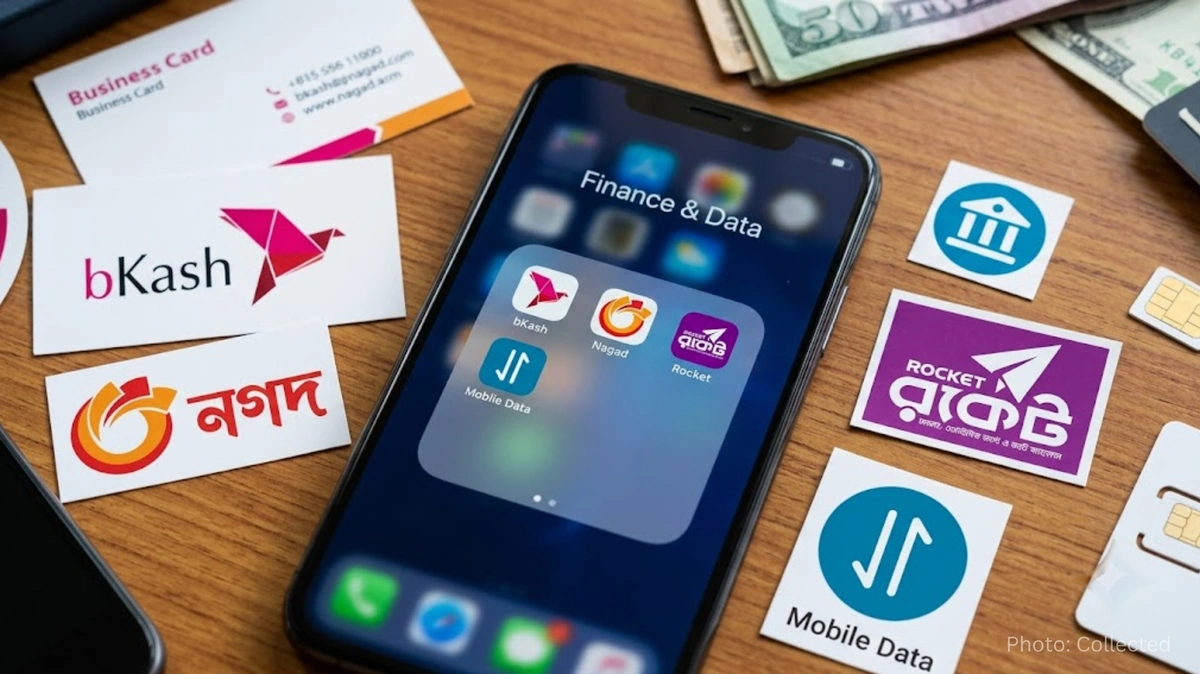
Bangladesh Plans Internet-Free Access to Mobile Banking and Financial Apps
-

DU to Open Undergraduate Admission Applications on 11 November, Tests Begin 5 December


