Eid ul-Fitr: Traditions, Significance, and the Joy of Breaking the Fast
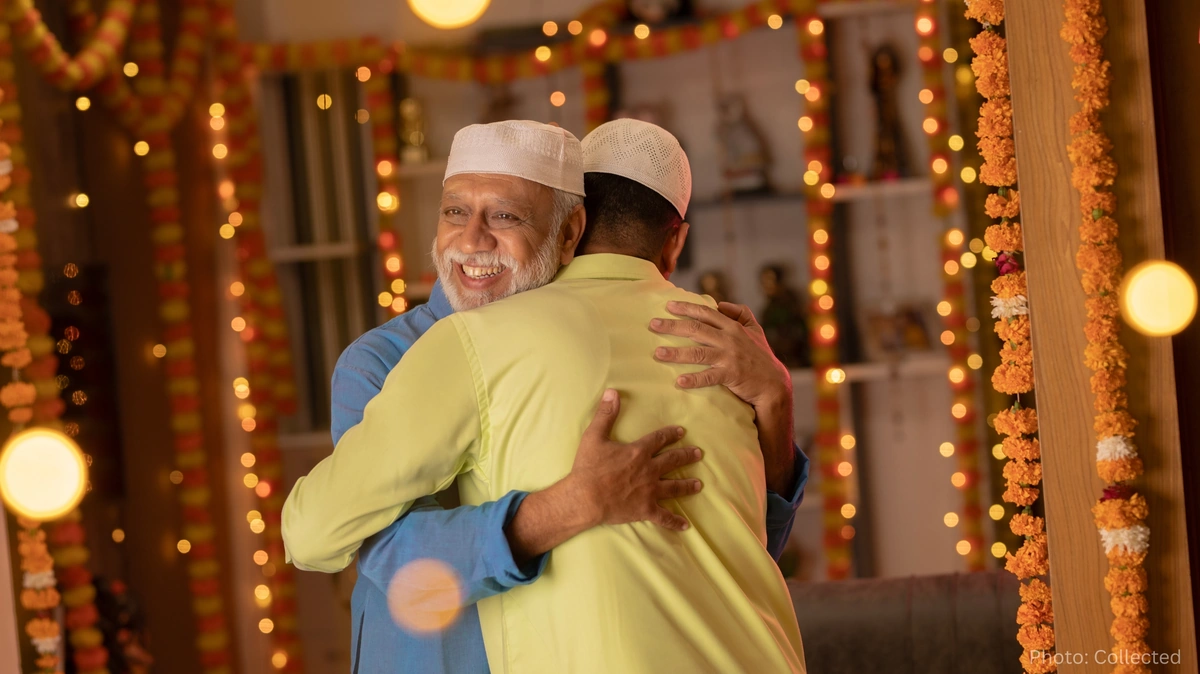
Celebrated at the end of Ramadan, Eid ul-Fitr is a festival of gratitude, generosity, prayer, and togetherness, marking the completion of a month of fasting and spiritual devotion.
Eid ul-Fitr, often called the "Festival of Breaking the Fast," is one of the most significant celebrations in Islam. Observed on the first day of Shawwal, the tenth month of the Islamic lunar calendar, it marks the end of the holy month of Ramadan a period dedicated to fasting, prayer, charity, and self-reflection.
The celebration begins after the sighting of the new moon, with Muslims around the world gathering for special Eid prayers held in mosques, open fields, and community centers. Before the prayer, Muslims are required to give Zakat al-Fitr, a charitable donation intended to help those in need so that everyone can participate in the festivities.
Eid ul-Fitr is rooted in gratitude. It is a day when Muslims thank Allah for granting them the strength to complete the month of fasting and for the blessings of faith, health, and family. The occasion also emphasizes forgiveness, compassion, and renewing relationships with relatives, friends, and neighbors.
One of the most cherished traditions is wearing new or clean clothes, applying fragrance, and attending the congregational Eid prayer early in the morning. After the prayer, worshippers exchange greetings such as "Eid Mubarak," wishing one another peace, happiness, and blessings.
Family gatherings are at the heart of Eid celebrations. Loved ones come together to share festive meals featuring traditional dishes that vary across cultures. Sweet treats such as sheer khurma, seviyan, baklava, maamoul, and a variety of regional desserts are commonly served alongside festive main courses.
Children often receive gifts, new clothes, or money commonly known as Eidi from parents and elders, adding to the excitement of the celebration. Visiting relatives, friends, and neighbors is another longstanding tradition that strengthens family ties and community bonds.
Acts of charity continue throughout the day, with many people donating food, clothing, or financial assistance to those facing hardship. These acts reflect the values of generosity and social responsibility that Ramadan seeks to cultivate.
Although customs differ from one country to another, the core message of Eid ul-Fitr remains universal: gratitude to Allah, compassion for others, unity within the community, and the celebration of faith after a month of spiritual discipline.
In today's interconnected world, many families also connect virtually with loved ones living abroad, allowing the spirit of Eid to transcend borders and bring communities together across the globe.
For Muslims worldwide, Eid ul-Fitr is more than a festive holiday it is a reminder of the values learned during Ramadan and an opportunity to carry forward the principles of kindness, generosity, patience, and gratitude throughout the year.
Related News

You may like



Tom Holland Says Marvel Has a Plan for the Next Spider-Man
August 1, 2026
Elected News
-
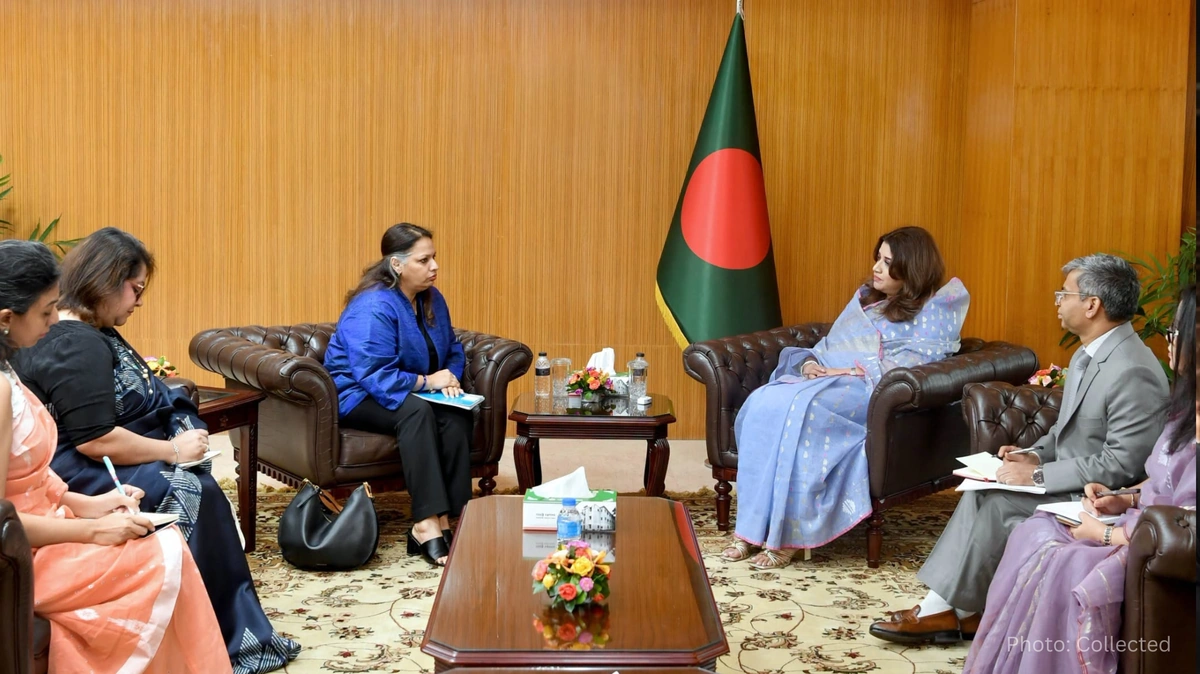
Bangladesh Seeks UN Women Support on Digital Harassment and Women’s Empowerment
-
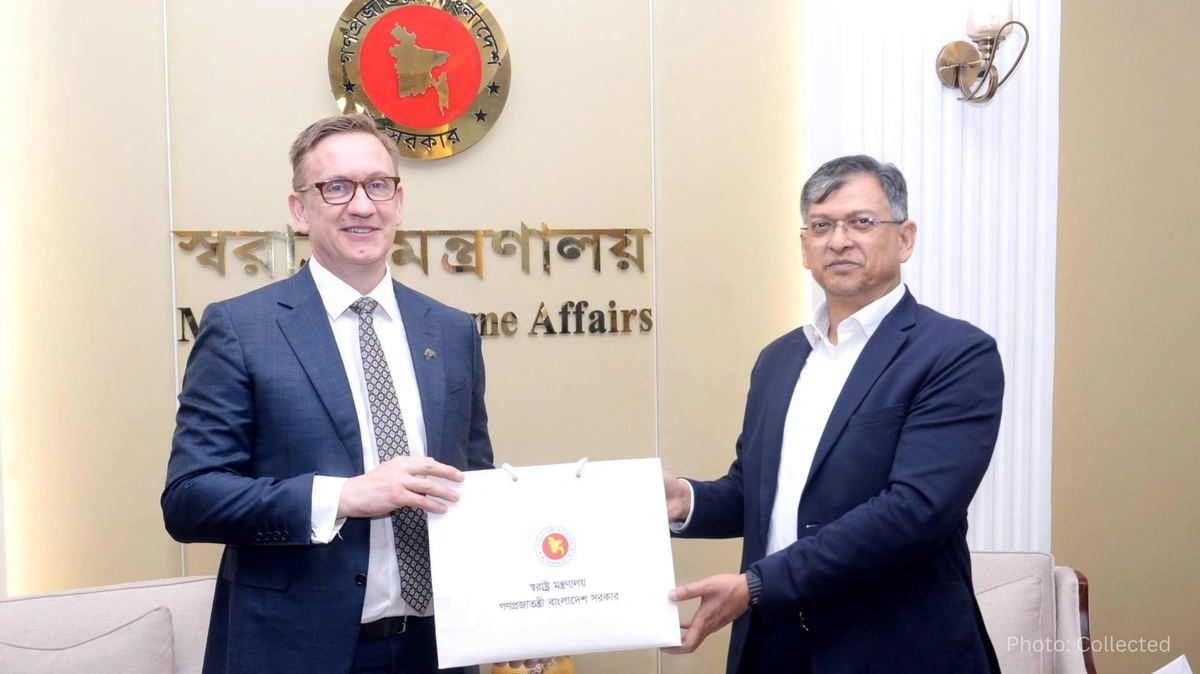
Bangladesh, Australia Discuss Human Trafficking, Irregular Migration and Rohingya Crisis
-
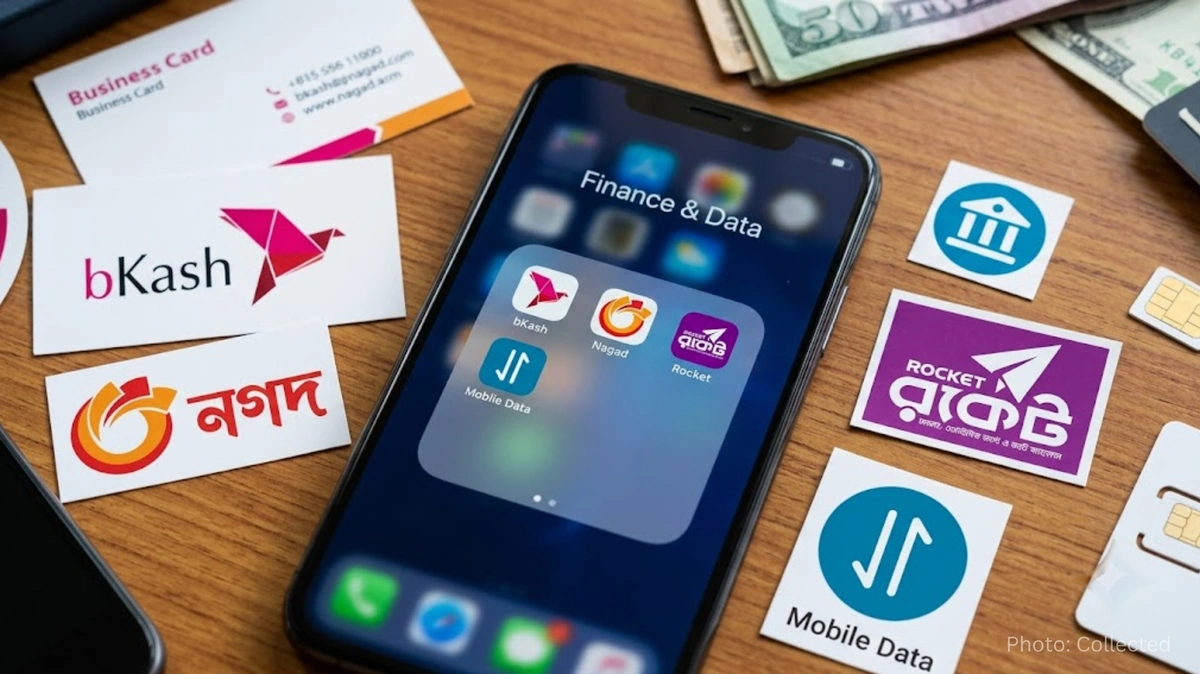
Bangladesh Plans Internet-Free Access to Mobile Banking and Financial Apps
-
DU to Open Undergraduate Admission Applications on 11 November, Tests Begin 5 December


