Eid ul-Adha & Qurbani Guide: Understanding the Festival of Sacrifice
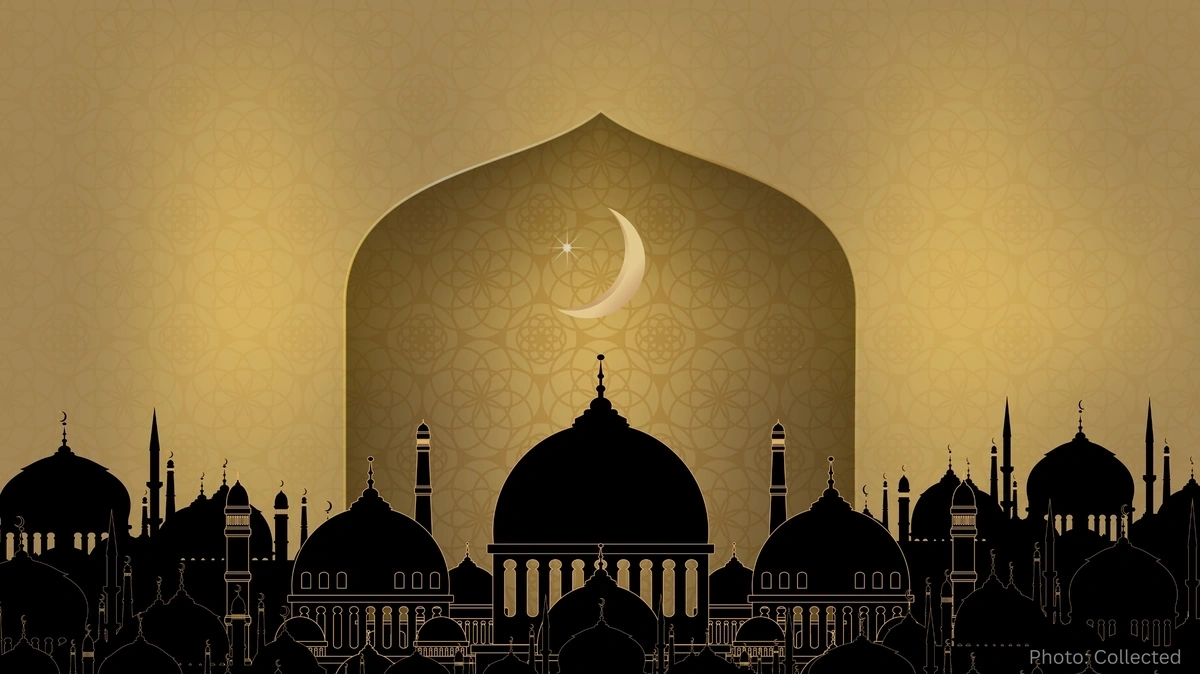
Eid ul-Adha commemorates the Prophet Ibrahim's devotion to Allah and highlights the values of faith, sacrifice, charity, and caring for those in need through the act of Qurbani.
Eid ul-Adha, also known as the "Festival of Sacrifice," is one of the two major Islamic celebrations observed by Muslims around the world. It falls on the 10th day of Dhul Hijjah, the final month of the Islamic lunar calendar, and coincides with the annual Hajj pilgrimage in Makkah.
The festival commemorates the willingness of Prophet Ibrahim (AS) to sacrifice his son in obedience to Allah's command. Before the sacrifice was carried out, Allah replaced his son with a ram, symbolizing that sincere faith and submission are valued above all else. Muslims remember this event through the practice of Qurbani, or the ritual sacrifice of livestock.
The day begins with a special congregational Eid prayer, followed by a sermon emphasizing faith, gratitude, compassion, and unity. Muslims greet one another with "Eid Mubarak," visit family and friends, and spend the day strengthening community ties.
Understanding Qurbani
Qurbani is performed after the Eid prayer during the prescribed days of Eid ul-Adha. The sacrifice is considered an important act of worship for eligible Muslims who have the financial means to offer it.
Animals commonly used for Qurbani include sheep, goats, cows, buffaloes, and camels, provided they meet Islamic requirements regarding age, health, and fitness. The sacrifice should be carried out humanely and in accordance with Islamic principles of animal welfare.
Distribution of the Meat
A widely practiced tradition is to divide the meat into three portions:
- One portion for the household.
- One portion for relatives, friends, and neighbors.
- One portion for people in need.
This distribution reflects the Islamic values of generosity, social responsibility, and ensuring that disadvantaged families can also share in the celebration.
Spiritual Significance
The essence of Eid ul-Adha extends far beyond the sacrifice itself. The festival reminds Muslims that true devotion lies in sincerity, obedience to Allah, and a willingness to place faith above personal desires.
The Quran emphasizes that it is not the meat or blood of the sacrificed animal that reaches Allah, but the righteousness and piety of the believer. As a result, Muslims are encouraged to perform Qurbani with pure intentions and gratitude.
Celebrating Responsibly
Modern celebrations increasingly emphasize responsible practices, including maintaining hygiene during animal handling, complying with local health and environmental regulations, minimizing food waste, and ensuring meat is stored and distributed safely.
Many charitable organizations also facilitate Qurbani on behalf of donors, delivering fresh meat to vulnerable communities in countries affected by poverty, conflict, or natural disasters.
A Festival of Faith and Compassion
Beyond family gatherings and festive meals, Eid ul-Adha serves as a reminder of compassion, sacrifice, and service to humanity. It encourages Muslims to strengthen family bonds, support those in need, and carry forward the values of generosity, humility, and gratitude long after the celebration ends.
Related News





You may like




Tom Holland Says Marvel Has a Plan for the Next Spider-Man
August 1, 2026
Elected News
-
Bangladesh Seeks UN Women Support on Digital Harassment and Women’s Empowerment
-
Bangladesh, Australia Discuss Human Trafficking, Irregular Migration and Rohingya Crisis
-
Bangladesh Plans Internet-Free Access to Mobile Banking and Financial Apps
-
DU to Open Undergraduate Admission Applications on 11 November, Tests Begin 5 December


